Packaging and
food-contact materials
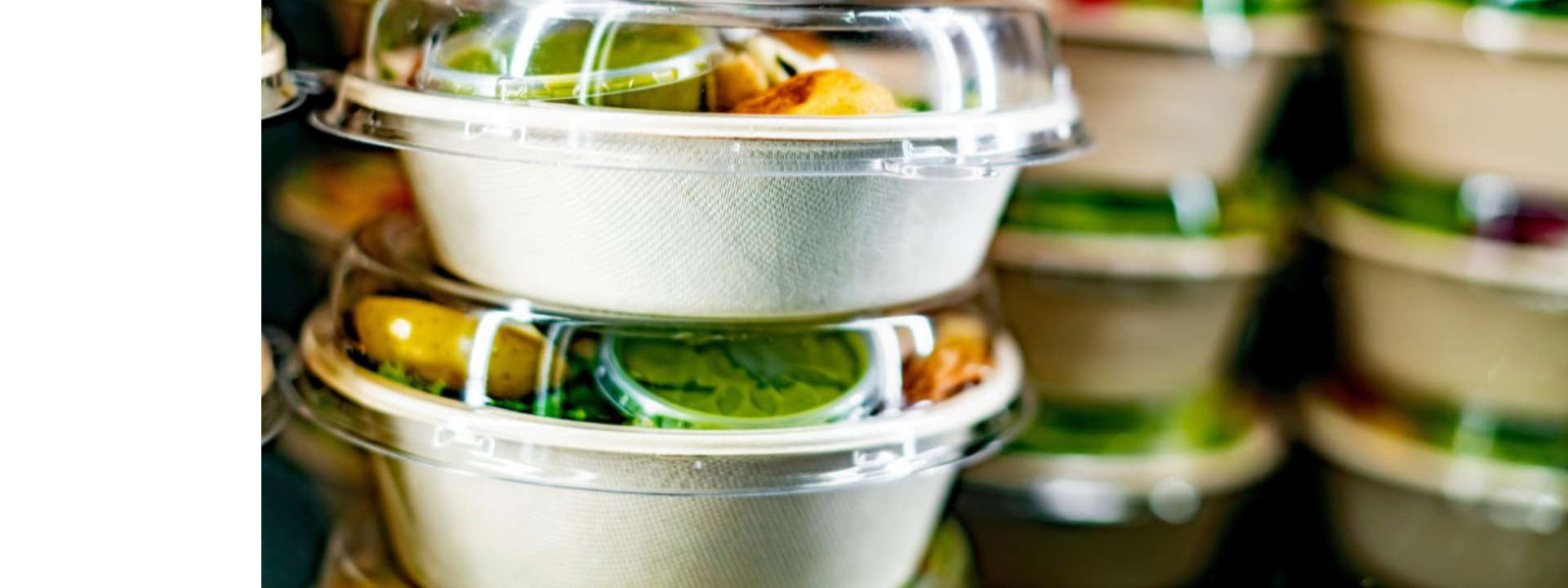
Food packaging and food-contact materials analysis
Food packaging and food-contact materials come into direct contact with food; during use, factors such as temperature, the nature of the food, or improper storage can trigger toxic reactions or cause substances to leach into the food, thereby adversely affecting consumer health.
Why is food packaging testing necessary?
There are several reasons for conducting food packaging testing, with two primary factors standing out:
- Food packaging comes into direct contact with food. During use, it can trigger toxic reactions or cause substances to leach into the food—due to factors such as temperature, the nature of the food itself, or improper storage—thereby adversely affecting consumer health.
- To prevent the risk of chemical or food poisoning resulting from the accumulation of substances found in packaging, state regulations require both domestic manufacturers and importers to conduct testing and declare the quality of their food packaging products.
For these reasons, businesses involved in the production and distribution of food packaging must declare product quality in accordance with state standards to ensure consumer safety before the packaging is put into use.
National technical regulations on food packaging testing
Currently, the national technical regulations applied to food packaging testing vary depending on the materials used to manufacture the packaging. In accordance with current regulations, testing parameters for food-contact packaging must be established based on the following corresponding national technical regulations:
Vietnam regulations:
- QCVN 12-4:2015/BYT: Glass and ceramic food-contact packaging and utensils
- QCVN 12-1, 2, 3:2011/BYT: Plastic, rubber, and metal food-contact packaging and utensils
- TCVN 12272:2018: Chopsticks
- TCVN 12723:2019: Food-contact paper and paperboard
International market regulations:
- Regulation (EC) No 1935/2004 on materials and articles intended to come into contact with food (framework regulation)
- Regulation (EU) No 10/2011 on plastic materials and articles intended to come into contact with food
- Regulation (EU) 2025/40 on packaging and packaging waste (Packaging and Packaging Waste Regulation – PPWR)
- FDA regulations: FDA: FDA 21 CFR 175, 176, 177
- Chinese regulations: GB 4806: Standards for food-contact packaging products.
We also test natural straws (e.g. grass straws) against domestic and export market requirements, including Japan and the European Union.
Testing of Food Contact Packaging and Materials
Eurofins Food and Feed Testing in Vietnam provides quality and safety solutions for food packaging and food contact materials, supporting manufacturers, importers, exporters, distributors, retailers, and brand owners through testing, inspection, assessment, and certification services to ensure product safety, regulatory compliance, market access, and consumer protection.
Migration testing
Evaluate the potential transfer of substances from food packaging and food contact materials into food under actual conditions of use. Testing may include:
- Overall migration (OM) using appropriate food simulants
- Specific migration limits (SML) for regulated substances
- Lead (Pb)
- Cadmium (Cd)
- Potassium permanganate (KMnO₄) consumption
- Evaporation residue
- Styrene
- Bisphenol A (BPA)
- Formaldehyde
- Antimony (Sb)
- Mineral oil hydrocarbons (MOSH/MOAH)
- PFAS
- Other migratable substances and contaminants relevant to food contact materials
Chemical composition analysis
Determine potentially hazardous substances such as heavy metals, additives, non-intentionally added substances (NIAS), and other chemical compounds in food packaging and food contact materials to support material safety assessment and compliance with market requirements.
Testing against Vietnamese Regulations
Assess the compliance of food packaging and food contact materials with applicable Vietnamese regulations and standards (QCVN, TCVN) for plastic, metal, glass, paper, and other material types.
Testing against International Standards
Assess the compliance of food packaging and food contact materials with international requirements, including EU Regulation No. 10/2011, FDA 21 CFR, GB 4806, and other relevant standards to support access to export markets.
Food Contact Material Safety Assessment
Conduct a comprehensive evaluation of the safety characteristics and suitability of food contact materials for their intended use with food, helping to manage risks and protect consumer health.
Environmental compliance testing and consulting services supporting food manufacturing operations
- Environmental monitoring programs,
- Industrial hygiene sampling,
- Water quality assessment,
- Production environment monitoring, sanitation verification,
- Environmental compliance testing, and consulting services supporting confectionery manufacturing operations.
Get in touch
Would you like to find out more about our testing solutions, or do you need tailored analytical support? Contact us today to get in touch with our experts.