Herbs and spices
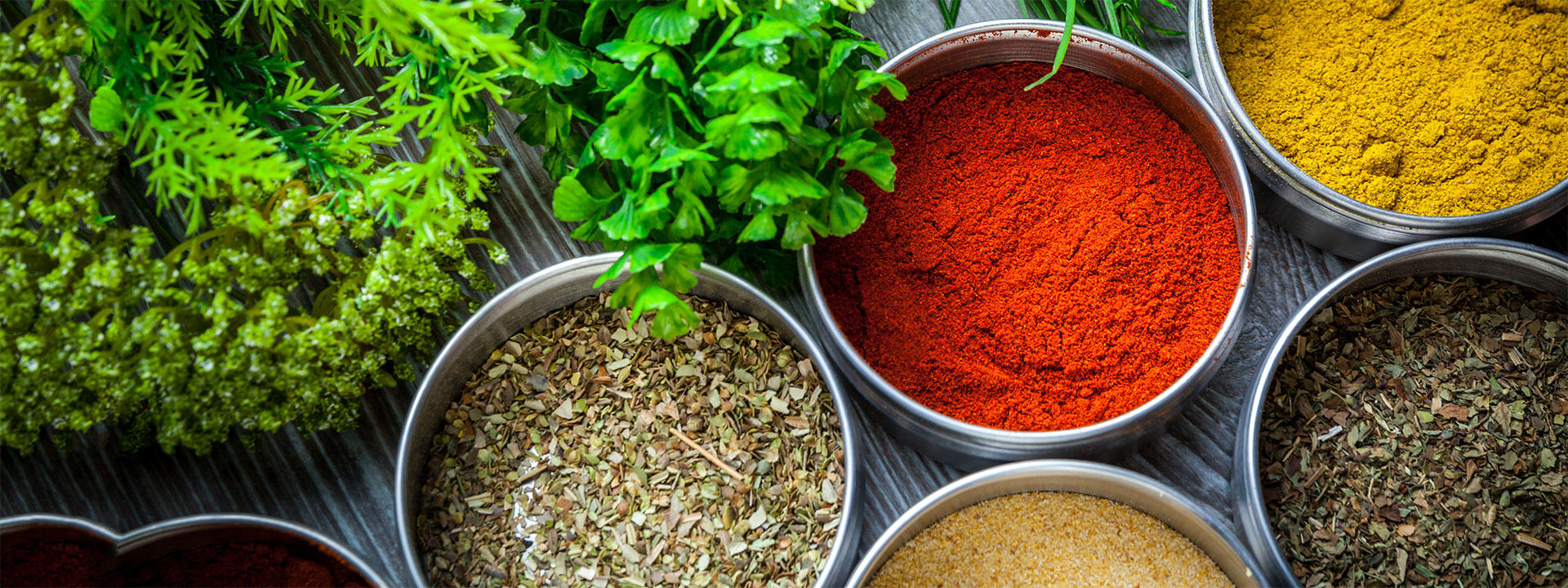
Analysis of herbs and spices
Throughout the entire supply chain, we offer quality assurance measures for raw spices, intermediate products or finished products as well as herb and spice mixtures. Whether growing, exporting, importing, trading or selling herbs and spices - you will always find qualified experts for your specific needs within the Eurofins network of Food & Feed Testing laboratories.
Eurofins Food and Feed Testing Vietnam provides comprehensive Farm-to-Fork solutions for spice and herb manufacturers, importers, exporters, distributors, retailers, and brand owners. Through an integrated portfolio of testing, inspection, auditing, and certification services, we help ensure product quality, food safety, authenticity, regulatory compliance, and market access from raw materials to finished products.
Vietnamese Regulations
- QCVN 8-1:2011/BYT: National Technical Regulation on maximum levels of mycotoxin contamination in food.
- QCVN 8-2:2011/BYT: National Technical Regulation on maximum levels of heavy metal contamination in food.
- QCVN 8-3:2012/BYT: National Technical Regulation on microbiological contamination limits in food.
- Circular No. 50/2016/TT-BYT: Regulations on maximum residue limits (MRLs) of plant protection products in food.
- Relevant Vietnamese Standards (TCVN).
International Regulations
Key regulatory requirements across major export markets include:
- European Union (EU): Regulation (EC) No. 396/2005 on pesticide residues; Regulation (EU) 2023/915 on contaminants in food; Regulation (EC) No. 2073/2005 on microbiological criteria for foodstuffs; and other applicable requirements.
- United States (US): Code of Federal Regulations (40 CFR Part 180) governing pesticide residue tolerances, along with other relevant food safety regulations.
- China: GB 2763 for pesticide residue limits; GB 2761 for mycotoxin limits; GB 2762 for chemical contaminants; and GB 29921 for microbiological criteria in food.
Key services
Residues and contaminants:
- Pesticide residues (900+ active substances)
- Heavy metals and inorganic contaminants
- Pyrrolizidine alkaloids and tropane alkaloids (PA/TA)
- Fumigants:
- ethylene oxide, methyl bromide, phosphine
- Mycotoxins
- Aflatoxins, Ochratoxin A (OTA), Alternaria toxins
- Illegal dyes
- Sudan I–IV, Para Red, Rhodamine B
- MOSH/POSH/MOAH
- Polycyclic aromatic hydrocarbons (PAHs)
- Residual solvents
- Irradiation detection
Microbiology and hygiene:
- Analysis based on microbiological requirements of international expert committees and associations (DGHM, THIE)
- Total plate count
- Indicator organisms (Enterobacteriaceae, E. coli)
- Spoilage organisms (Yeasts, molds)
- Pathogenic bacteria (Salmonella, Bacillus cereus, sulfite-reducing Clostridia spores, etc.)
Specific parameter:
- Analysis of natural constituents (coumarin, piperine, capsaicin, etc.)
- Authenticity analysis (NMR profiling, PCR DNA sequencing/metabarcoding)
- Essential oil analysis
- Analysis of allergens, radioactivity, GMOs, etc.
- Shelf-life assessment and challenge testing
- Evaluation of hygiene practices and microbiological contamination risks
Inspection:
- Sampling and analysis
- Pre-shipment inspection (PSI)
- Loading supervision at warehouse or port
- Weight and quantity inspection
- Cargo tallying
- Container inspection
- Container sealing
Additional services
- Advisory services on domestic and export food regulations
- Advisory on labeling
- Support for preparing product self-declaration dossiers
- Consulting and safety/hygiene assessment of production, storage, fumigation
*Some analyses are performed through the Eurofins global laboratory network. Please contact us for consultation or additional information.
Get in touch
Would you like to find out more about our testing solutions, or do you need tailored analytical support? Contact us today to get in touch with our experts.