Alcoholic Beverages
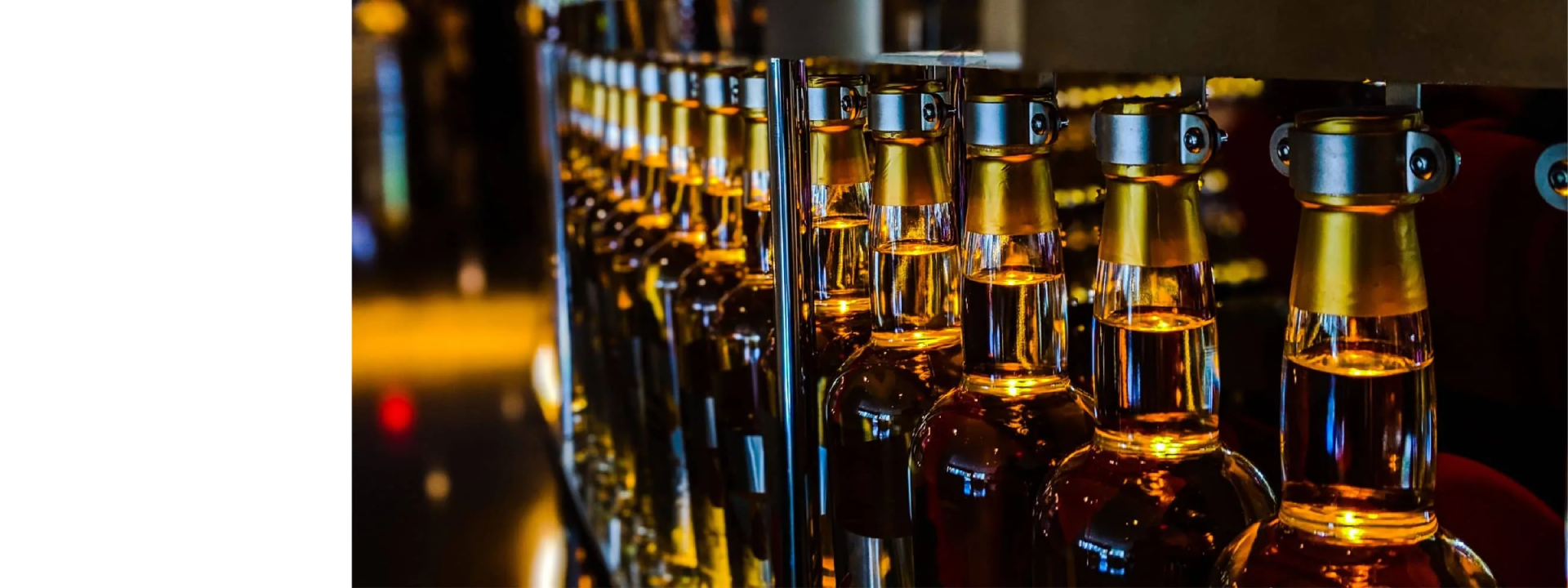
Alcoholic beverages analysis
For alcoholic beverages such as spirits and beer, business establishments wishing to bring these products to market must conduct testing to determine the content of substances present in the products.
Why is it necessary to test alcoholic beverages?
For business and manufacturing establishments: Alcoholic beverages—such as spirits and beer—directly impact human health; consequently, the State restricts their production and trade. However, to bring these products to market, businesses must conduct testing to determine the content of substances within the products. This is a mandatory and essential requirement for any establishment wishing to launch and sustain its operations.
For consumers: During the production and distillation of beer and spirits, certain impurities harmful to human health can be generated. Excessive, long-term intake of these substances can damage the stomach, liver, and brain, and may even prove fatal. Therefore, it is essential to have alcoholic beverages tested to ensure the quality and safety of beer, spirits, and other alcoholic drinks, thereby protecting one's own health and that of those around them.
Regulations on the testing of alcoholic beverages
Reference Frameworks and Applicable Regulations:
- The National Technical Regulation for Alcoholic Beverages (QCVN 30:2026/BCT), effective from 1 January 2027
- Codex Standards
- Applicable TCVN Standards
- Customer requirements, retailer requirements, food safety regulations, product labeling requirements, and internal company standards.
Testing of alcoholic beverages will cover sensory, physicochemical, and microbiological parameters, as well as heavy metal content and other specific criteria.
Alcoholic beverage testing
Eurofins Food and Feed Testing in Vietnam provides comprehensive testing, inspection, audit and certification solutions throughout the alcoholic beverage supply chain, supporting breweries, wineries, distilleries, importers, distributors, exporters, retailers, and brand owners in ensuring product quality, food safety, regulatory compliance, and market access.
Sensory evaluation
Assessment of color, appearance, clarity, aroma, flavor, mouthfeel, and overall sensory characteristics to ensure product consistency and quality.
Alcohol (ethanol) content determination
Precise measurement of alcohol by volume (ABV) and ethanol concentration to verify compliance with product specifications, labeling requirements, customer requirements, and applicable regulations.
Characteristic chemical compound analysis
Determination of methanol, esters, aldehydes, furfural, higher alcohols, volatile compounds, ethyl carbamate, and other constituents that may affect product quality, authenticity, safety, and regulatory compliance.
Physicochemical analysis
Evaluation of total acidity, volatile acidity, dry extract, residual sugars, density, pH, color characteristics, dissolved carbon dioxide (where applicable), volatile compounds, and other quality indicators relevant to alcoholic beverages.
Microbiological testing
Detection of spoilage microorganisms, indicator organisms, yeasts, molds, and other microbiological contaminants that may adversely affect product quality, shelf life, and food safety.
Heavy metal analysis
Determination of lead (Pb), copper (Cu), arsenic (As), zinc (Zn), mercury (Hg), cadmium (Cd), and other metallic contaminants in accordance with applicable regulatory and customer requirements.
Packaging and food contact material testing
Assessment of packaging integrity, migration testing, food-contact material compliance, packaging compatibility, and packaging performance to support product stability and market compliance.
Authenticity and label verification
Verification of ingredient authenticity, alcohol content declaration, geographical claims, product specifications, nutritional labeling requirements, and compliance with labeling regulations.
Food Safety Solutions
- Shelf-life studies and stability assessment,
- Regulatory compliance and product declaration support,
- Customized technical and regulatory workshops; implementation support for GMP, HACCP, ISO 22000, FSSC 22000, and customer-specific quality requirements.
Environmental compliance testing and consulting services supporting food manufacturing operations
- Environmental monitoring programs, industrial hygiene sampling, water quality assessment,
- Production environment monitoring,
- Sanitation verification,
- Environmental compliance services supporting alcoholic beverage manufacturing facilities.
Get in touch
Would you like to find out more about our testing solutions, or do you need tailored analytical support? Contact us today to get in touch with our experts.