Imported Food
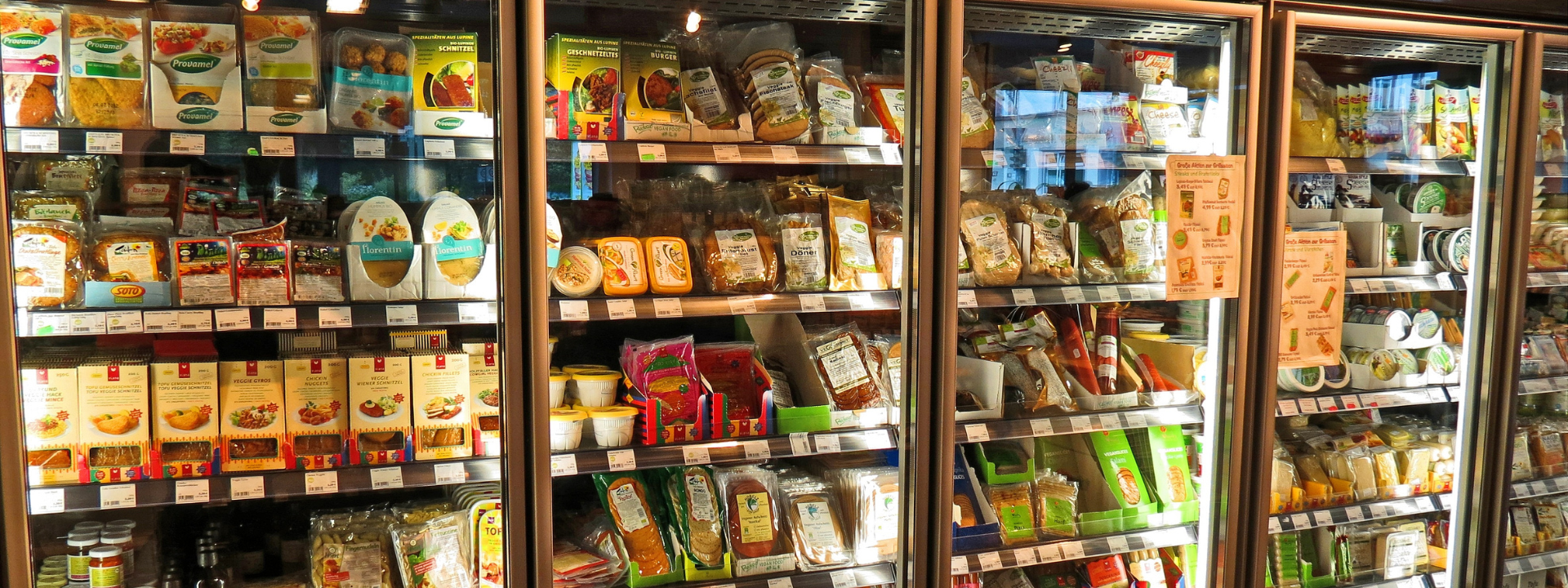
Testing of imported food
Imported food testing is the assessment of quality and safety parameters to support product self-declaration, product declaration registration, and state food safety inspection requirements for imported food products.
Why is it necessary to test imported food?
Imported food testing plays an important role in demonstrating compliance with applicable food safety and quality requirements before products are placed on the Vietnamese market. Depending on the product category, testing results may be used to support product self-declaration dossiers, product declaration registration, and state food safety inspections for imported goods.
Through the verification of relevant quality and safety parameters, businesses can demonstrate product compliance with regulatory requirements, facilitate market access, and strengthen confidence among authorities, business partners, and consumers.
Regulations on the testing of imported food
Regulations on imported food will be based on current legal documents regulating food safety, which are:
- Law No. 55/2010/QH12 on Food Safety
- Decree No. 15/2018/ND-CP detailing the implementation of a number of articles of the Law on Food Safety
Imported food is subject to two procedures before being circulated on the Vietnamese market:
- Product Self-Declaration
Applicable to prepackaged processed foods, food additives, processing aids, food contact articles, and food packaging materials intended for direct contact with food. - Product Registration Declaration
Applicable to health supplements, foods for special medical purposes (FSMPs), foods for special dietary uses, nutritional products for children up to 36 months of age, blended food additives with new functions, and food additives that are not included in the list of permitted food additives or are intended for uses not specified by the Ministry of Health.
Testing of imported food
Eurofins Food and Feed Testing in Vietnam assists food importers in controlling quality and ensuring compliance with both Vietnamese and international food safety regulations. Products imported from diverse markets vary in terms of standards, ingredients, and manufacturing processes, necessitating rigorous testing before they can be placed on the market.
Microbiological testing
Detection and enumeration of microbiological contaminants, including pathogens such as Salmonella, E. coli, Listeria monocytogenes, and other microorganisms that may impact product safety, quality, and regulatory compliance.
Heavy metal and contaminant
Analysis of heavy metals and chemical contaminants, including lead (Pb), arsenic (As), cadmium (Cd), mercury (Hg), and other substances of concern to support food safety and compliance with applicable market requirements.
Pesticide residue and antibiotic
Detection of pesticide residues, veterinary drug residues, antibiotics, and other chemical residues that may originate from raw materials, agricultural practices, or manufacturing processes throughout the supply chain.
Ingredient verification and labeling
Verification of product composition against label claims and declared ingredients to support regulatory compliance, product authenticity, and consumer confidence.
Detection of prohibited or undeclared substances
Screening for prohibited, unauthorized, or undeclared substances that may present regulatory, safety, or market access risks, helping businesses identify potential non-compliance before products enter the market.
Food Safety Solutions
- Support for shelf-life and stability studies, product declaration and regulatory compliance, export market requirements
- Nutrition labeling review,
- Customized technical and regulatory workshops, and implementation of GMP, HACCP, ISO 22000,
- FSSC 22000, BRCGS, and customer-specific food safety requirements.
Get in touch
Would you like to find out more about our testing solutions, or do you need tailored analytical support? Contact us today to get in touch with our experts.