Grains, seeds, and nuts
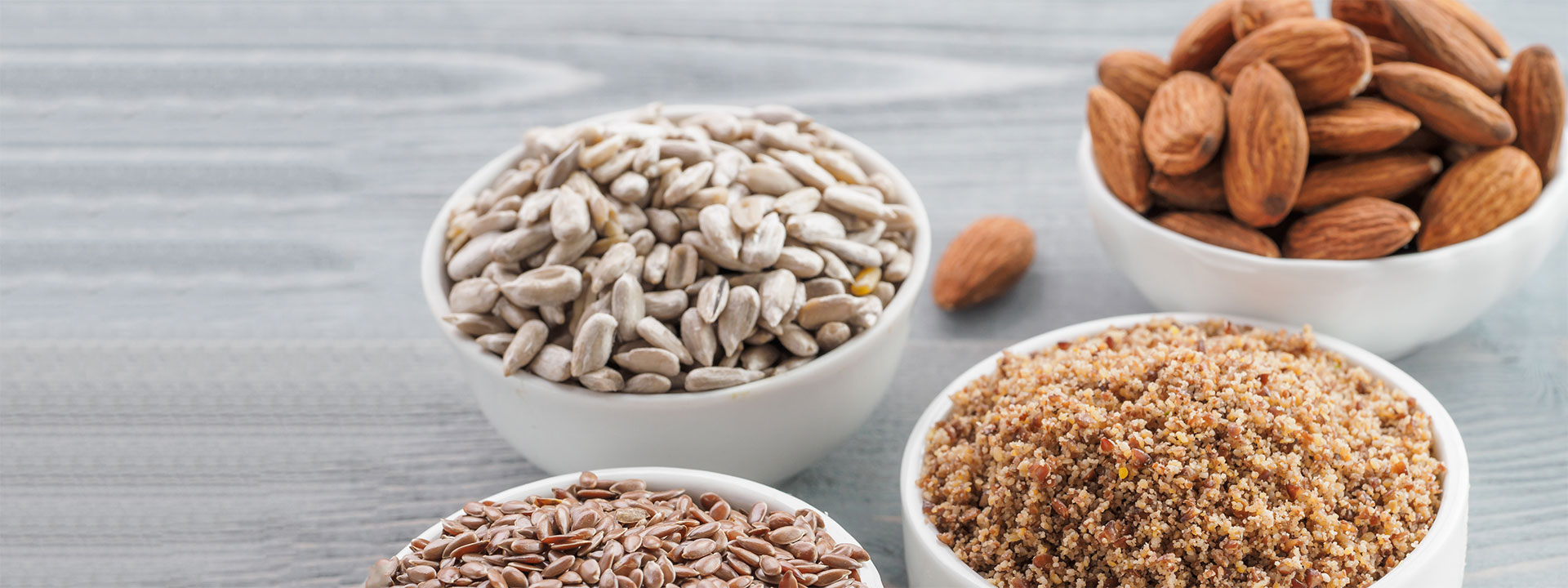
Analysis of nuts, seeds and cereals
Safety and quality of nut, seed and cereal products are of top priority. The long-term experience and expertise of the international Eurofins Food and Feed Testing network of laboratories enables the development of local, custom-tailored solutions for the analysis of nuts, seeds and cereals.
Why is it necessary to test grains, seeds, and nuts?
For businesses and manufacturers:
Product testing plays an essential role in verifying the quality, safety, and compliance of grains, seeds, nuts, and their derived products before distribution to domestic and international markets.
For consumers:
Testing helps ensure the quality and safety of grains, seeds, nuts, and related products, strengthening consumer confidence and reducing potential risks associated with unsafe food.
Regulations on the testing of grains, seeds, and nuts on the market
Currently, to place grains, seeds, nuts, and related products on the market, businesses must conduct testing and declare product quality in accordance with Decree 15/2018/ND-CP.
Furthermore, applicable testing parameters must comply with the requirements set forth in the following regulations and standards:
- QCVN 8-1:2011/BYT: National technical regulation on limits for mycotoxin contamination in food.
- QCVN 8-2:2011/BYT: National technical regulation on limits for heavy metal contamination in food.
- Circular No. 50/2016/TT-BYT: Regulations on maximum residue limits (MRLs) of plant protection products in food.
- Other national standards (TCVN) applicable to specific products
- International standards, CODEX, Southeast Asian regional standards, etc.
- Parameters requiring testing for cereals
- Nutritional parameters: Protein, fat, energy, carbohydrates, sodium, etc.
- Physicochemical parameters (organoleptic properties, moisture content, acid value, etc.)
- Microbiological parameters (Coliforms, E. coli, molds, etc.)
- Heavy metal parameters (lead, cadmium, arsenic, mercury, etc.)
- Toxin parameters
For cashew nuts and cashew-based products, additional requirements may apply in accordance with AFI Specifications, TCVN 4850:1998 for cashew kernels, and QCVN 01-27:2010/BNNPTNT on food safety requirements for cashew kernels.
Testing parameters
Key parameters for testing cereals for compliance with the Ministry of Health's circulars and QCVN (National Technical Regulations) include:
Sensory parameters
- Appearance/state
- Color
- Odor
- Taste
Quality parameters
- Impurity content
Physicochemical parameters
- Moisture
- Energy
- Protein
- Carbohydrate
- Lipid
- Crude fiber
- Starch
- Total sugar
- Total ash
- HCl-insoluble ash
- Sodium (Na)
- Phosphorus (P)
Residue and contaminant parameters
- Pesticide residues
- Fumigants
- Phosphine
- Ethylene oxide (EO)
Microbiological parameters
- Total aerobic count
- Coliforms
- E. coli
- S. aureus
- C. perfringens
- B. cereus
- Yeasts and molds
Heavy metal parameters
- Lead (Pb)
- Cadmium (Cd)
- Arsenic (As)
- Mercury (Hg)
Mycotoxins
- Total aflatoxins
- Aflatoxin B1
- Ochratoxin A
- Deoxynivalenol (DON)
- Zearalenone
Grains, seeds, and nuts testing
Eurofins Food and Feed Testing Vietnam provides comprehensive Farm-to-Fork solutions, supporting producers, importers, exporters, distributors, retailers, and brand owners of cereals, seeds, nuts, and processed products containing these ingredients. Through an integrated portfolio of testing, inspection, auditing, and certification services, we help ensure product quality, food safety, regulatory compliance, and market access across global supply chains.
Sensory and physicochemical analysis
Evaluate the overall quality of the product through sensory and physicochemical parameters such as color, odor, appearance, moisture content, water activity (aw), nutritional composition, fat content, protein, carbohydrates, and other relevant quality attributes specific to each product category.
Pesticide residue and contaminants testing testing
Analysis of pesticide residues, fumigants, phosphine, ethylene oxide (EO), and other crop protection substances in grains, seeds, nuts, and their processed products to support compliance with the requirements of Vietnam and international markets, including the European Union, the United States, Japan, South Korea, China, ASEAN countries, and other key export destinations.
Microbiological testing
Detection and control of harmful microorganisms, pathogenic bacteria, total aerobic count, Coliforms, E. coli, S. aureus, C. perfringens, B. cereusy, easts, molds, and microbiological indicators to ensure product safety throughout shelf life.
Heavy metal and mycotoxin analysis
Determination of lead (Pb), cadmium (Cd), arsenic (As), mercury (Hg), aflatoxins, Aflatoxin B1 Ochratoxin A,Deoxynivalenol (DON), Zearalenone OTA, ZEA, fumonisins, in accordance with applicable food safety requirements.
Additives and colorants analysis
Determine the presence and concentration of food additives, including colorants, sweeteners, preservatives, and other additives, to support regulatory compliance and product labeling requirements.
Processing and packaging contaminant analysis
Testing for acrylamide, PAHs (where applicable), MOSH/MOAH, packaging migrants, and other contaminants that may arise during manufacturing, processing, storage, or packaging.
Allergen testing
Detect the presence of allergens such as gluten, peanuts, tree nuts, soy, milk, and other allergenic substances to support labeling compliance and help protect consumer health.
Nutritional analysis
Determination of energy, protein, carbohydrates, sugars, fat, saturated fat, sodium, vitamins, minerals, and other nutritional parameters to support product labeling and nutritional claims.
Food Safety Solutions
- Support for shelf-life and stability studies, product declaration and regulatory compliance, export market requirements,
- Nutrition labeling review,
- Customized technical and regulatory workshops, and implementation of GMP, HACCP, ISO 22000, FSSC 22000, BRCGS, and customer-specific food safety requirements.
Environmental compliance testing and consulting services supporting food manufacturing operations
- Environmental monitoring programs,
- Industrial hygiene sampling,
- Water quality assessment,
- Production environment monitoring, sanitation verification,
- Environmental compliance testing, and consulting services supporting confectionery manufacturing operations.
Get in touch
Would you like to find out more about our testing solutions, or do you need tailored analytical support? Contact us today to get in touch with our experts.