Microplastics
Analysis of microplastics
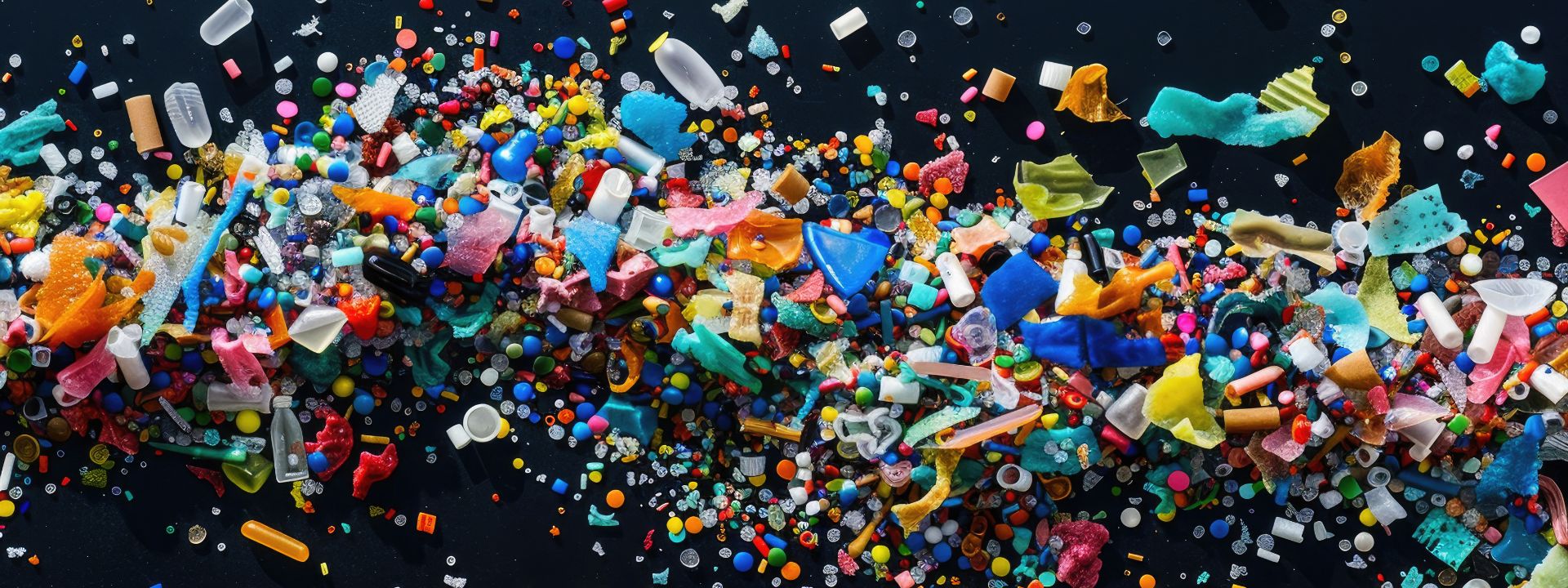
Microplastics, present in certain materials or originating from the degradation of plastics, can contaminate food products throughout the production chain. Invisible to the naked eye, they represent a true analytical and regulatory challenge. Eurofins Food & Feed Testing offers analytical solutions for the detection and quantification of microplastics, even at trace levels.
Key services
- Detection, identification and quantification of microplastics in food and beverages
- State-of-the-art techniques delivering reliable results
- PY-GC-MS method (Pyrolysis, Gas Chromatography coupled with Mass Spectrometry) quantified using FTIR microscopy
- Analysis performed for 11 synthetic polymers in water, milk, fish, salt, and more
- Monitoring and application of standards
Microplastics in our lives
Microplastics can be sorted into two types, based on their origin:
- Primary microplastics: inherently present in certain hygiene and cosmetic products, detergents, synthetic textiles, paints, markings, etc.
- Secondary microplastics: resulting from the degradation or fragmentation of larger plastic objects that disperse into the environment
Disposable plastics and poorly recycled synthetic textiles pollute the environment and break down into microplastics. We ingest up to 5 grams per week, or about 20 kilograms over a lifetime, posing health risks.
Microplastics can contaminate drinking water, beverages, seafood, and salt and sugar.
Legal framework and guidelines*
European Union (and NI)
- Directive (EU) 2020/2184 (Drinking Water Directive) on the measurement of microplastics in water intended for human consumption
- Regulation (EU) 2023/2055 concerning the authorisation of chemical substances, as well as the applicable restrictions on these substances (REACH; EU Registration, Evaluation, Authorisation and Restriction of Chemicals)
Great Britain (GB)
Water Supply (Water Quality) Regulations (England, Scotland, Wales)
- Govern drinking water quality through a risk-based approach. Currently, no statutory limit or mandatory monitoring requirement for microplastics has been established. However, industry guidance and international standards (e.g. BS ISO 5667-27) support sampling and analysis.
UK REACH
- The GB chemicals framework operates independently from EU REACH. At the time of writing, no direct equivalent to the EU-wide microplastics restriction (EU 2023/2055) has been implemented.
* Regulatory information is provided for general guidance only and may not reflect the most recent regulatory changes. Always consult official sources for up‑to‑date legislation. For market‑specific support, please contact your local Eurofins Food Testing laboratory. Our specialists offer tailored support through horizon scanning and food safety consultancy services.
Get in touch
For small batches, order our most routine testing from Eurofins Testing Direct.
Would you like to find out more about our testing solutions, access our competence centre services, or do you need tailored analytical or consultancy support?
Contact Eurofins Food Testing UK today to speak to our experts by submitting an enquiry form or calling +44 (0) 845 604 6740.