Routine Carbohydrate Testing
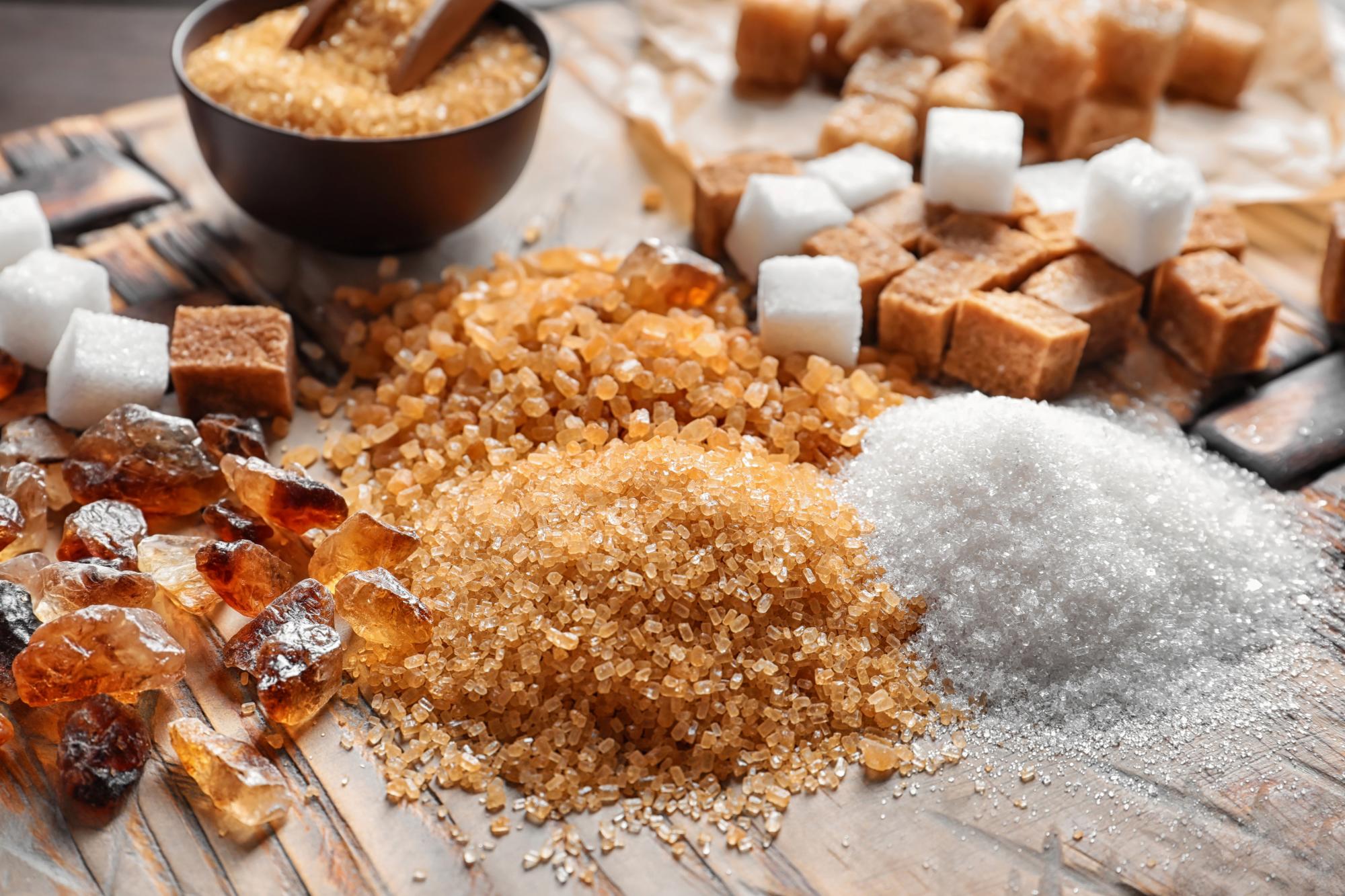
Our carbohydrate routine research aims to deliver accurate carbohydrate testing with quick turn-around-times. Outsourcing your testing activities will thus enable you to operate more efficiently and get reliable results which save you time and money.
Our carbohydrate routine portfolio consists of a various monosaccharide, disaccharide and oligosaccharide tests.
Monosaccharides
Monosaccharides are the most simple carbohydrate units which have the molecular formula CnH2nOn, in which n is usually five or six. Usually, monosaccharides are colourless and water-soluble. Xylose, ribose, arabinose are examples of Pentoses, which means these carbohydrates have five carbon atoms. Carbohydrates such as glucose, fructose, galactose, mannose and rhamnose are hexoses, meaning they have six carbon atoms resulting in the molecular formula of C6H12O6.
Disaccharides
Disaccharides are two monosaccharides coupled by a glycosidic bond. Depending on the configuration of the anomeric carbon in the glycosidic bond, we speak about α- or β-configuration. Examples of disaccharides are cellobiose, maltose, sucrose, and lactose.
Oligosaccharides
Oligosaccharides typically contain two to ten carbohydrate units. Oligosaccharides can have many functions. In general they are found O- or N-linked to compatible amino acid side-chains in proteins or to lipid moieties. Our routine tests consist of malto-oligosaccharides, palatinose, verbascose and stachiose, among others.
Alditol Testing
Alditols, also known as sugar alcohols or polyols, can be both mono- or disaccharides and are often added to food products because of their lower caloric contents compared to sugars, and thus qualify as low caloric sweeteners. Alditols are hydrogenated forms of carbohydrates, as their carbonyl group has been reduced to a primary or secondary hydroxyl group. Various alditols are used in food products, including xylitol, sorbitol, mannitol and isomalt, among others.
Starch Testing
We have developed many methods to determine the total resistant, damaged, and gelatinized starch contents, as well as total maltodextrin. Moreover, the determination of Amylose/amylopectin ratio, both in pure starches and in complex foods is part of our portfolio.
Starch is a natural vegetable polysaccharide and present in huge varieties in our daily food. It serves as a storage form of glucose, and thus energy, in plants. From a chemical viewpoint, starch is a homopolymer of glucose. It consists of long linear unbranched chains of 1→4-α-D-glucose units (amylose) and/or long α-1→6 branched chains of 1→4-α linked D-glucose units (amylopectin). The repeating unit in starch is the disaccharide maltose.
Get in touch
Would you like to find out more about our Carbohydrate testing solutions, or do you need tailored analytical support? Contact us today to get in touch with our experts.