Ochratoxin A – new maximum levels in food from January 2023
An overview of the changes
May 2023 (update). In August 2022, Regulation (EU) 2022/1370 amending Regulation (EC) No 1881/2006 as regards maximum levels for ochratoxin A (OTA) in certain foodstuffs was published with effect from 1 January 2023. This included the reduction of some existing maximum levels for ochratoxin A (OTA) as well as the establishment of new maximum levels. In May 2023, the maximum levels were transferred to the new Contaminants Regulation (EU) 2023/915[1].
What is new?
The previous Contaminants Regulation (EC) No 1881/2006 already set maximum levels for OTA in certain foodstuffs. Since OTA was also detected in other foodstuffs contributing to human exposure to OTA which were not subject to maximum levels, new maximum levels were set and existing maximum levels were adapted. With regard to cheese and ham, further monitoring should be carried out before establishing maximum levels.
Main changes at a glance
For the following food groups the existing maximum levels were lowered:
- Dried vine fruits
- Roasted coffee
- Soluble coffee
New maximum levels were introduced for the following food groups:
- Compound cereal products
- Non-alcoholic malt beverages
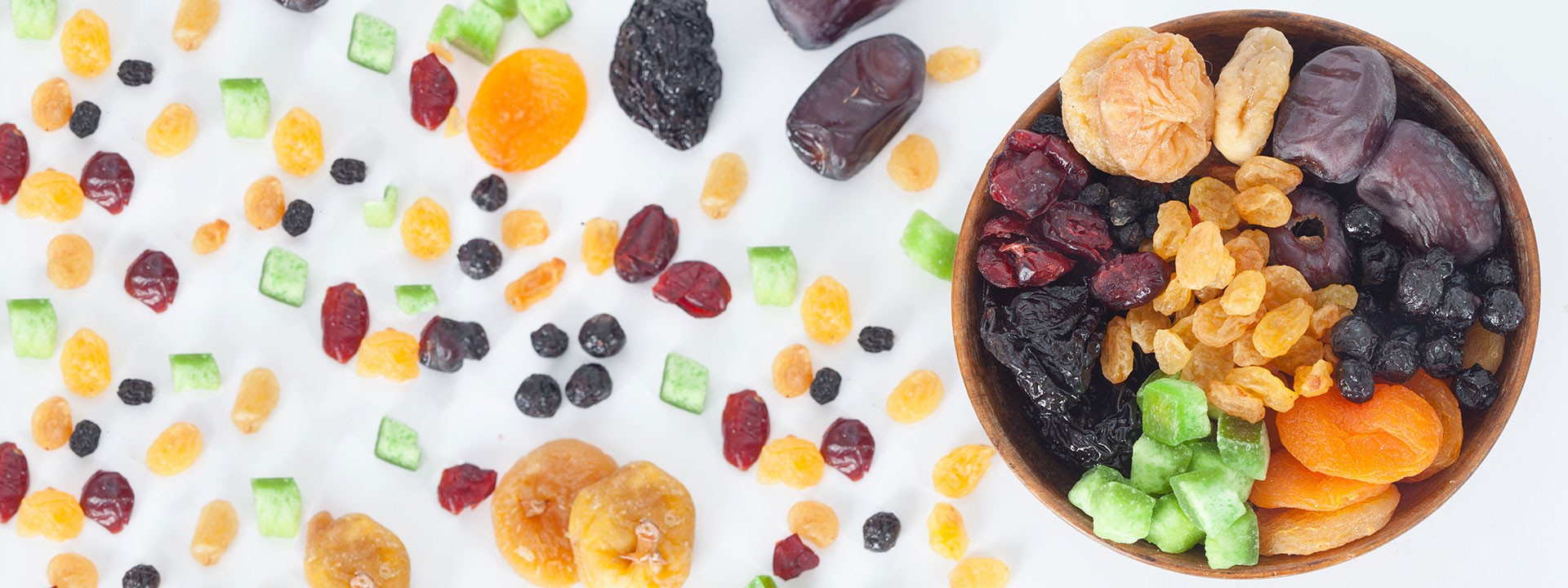
- Dried fruits in general
- Date syrup
- Spices in general, dried herbs
- Liquorice products
- Ginger roots, marshmallow roots, dandelion roots and orange blossoms for herbal infusions or coffee substitutes
- Sunflower seeds, pumpkin seeds, melon seeds, hempseeds, soybeans, pistachios
- Cocoa powder
Foodstuff placed on the market before 1 January 2023 may remain on the market until their best-before-date or use-by-date.
Read also:
Current requirements for the spice industry
The OTA maximum levels also affect the spice industry. For three other groups of contaminants, there have been changes that food producing companies should be aware of.
Formation and occurrence of OTA
Ochratoxins are a group of mycotoxins. The most common one is ochratoxin A (OTA). It is naturally produced by fungi of the genus Aspergillus and Penicillium and is found as a contaminant in a wide variety of foods, such as cereals, coffee beans, dried fruits, wine and grape juice, spices and liquorice. Infection with the fungi usually occurs in the field. OTA can be formed during the harvest, storage and further processing as a result of unfavorable temperatures and humidity. OTA often does not occur alone but together with other mycotoxins as contaminants.
Toxicology of OTA
OTA causes kidney toxicity in different animal species and sometimes kidney tumors (in rodents). Genotoxicity has been found in vitro and in vivo, but the exact mechanisms are unclear. Since recent studies have raised uncertainty regarding the mode of action of kidney carcinogenicity, health-based guideline values have been abandoned and the margin of exposure (MOE) was applied. In 2006, a tolerable weekly intake (TWI) of 120 ng/kg body weight was established, which was revised in 2020 and is no longer valid because the European Food Safety Authority (EFSA) updated the opinion on the assessment of OTA in food.
Analysis of OTA at the Eurofins Competence Centre
Our experts from the Competence Centre for mycotoxins and biotoxins within the global Eurofns laboratory network offer a quantitative determination of OTA. Using the applied LC-MS/MS method, a clear identification and quantification of OTA is possible. Various matrices such as cereals products, dried fruits, vegetables, oilseeds, various spices, tea, coffee, cocoa, baby food and feed can be analysed for OTA.
Get in touch
Would you like to find out more about our testing solutions, or do you need tailored analytical support? Contact us today to get in touch with our experts.
Written by:
Carina Kellner
Eurofins WEJ Contaminants GmbH