Contaminant testing services
Your experts in contaminant testing
Through intricate residue testing, Eurofins Food & Feed Testing can help you minimize the risk of non-compliance in relation to your raw ingredients, semi-manufactured foods, and final products. Our global network of food scientists and laboratories ensures that we have expertise in all principal segments of the food chain and a local presence, wherever you are.
You can trust us to update you on the increasingly complex mix of local and national legislation and voluntary agreements regulating the permitted quantities of restricted substances in food products. In addition, we detect and identify food-borne diseases and chemical, microbiological or physical food hazards in order to reduce their presence and ensure your products meet the appropriate guidelines.
Let us help find your solution

In the highly specialized field of extraneous materials analysis, Eurofins Food & Feed Testing laboratories are uniquely qualified in the detection and identification of the physical contaminants of food. Our scientists are skilled, adept, and experienced at all types of filth and extraneous matter isolation and identification ranging from light to heavy. We work with every form of foreign material identification including biological contaminants.
Light and heavy filth analysis of raw material and finished product is routinely performed on candy, capsicum, cereal, cheeses, cocoa powder, and chocolate products, coffee, cookies, corn chips, cornmeal, crab meat, cream cheese, egg products, flour, fruit (dried), gum, hot sauce and salsa, mayonnaise, meat products, mushrooms (canned and dried), nuts and nut meals, pasta products, raisins, rice sticks, salt, shrimp, spices, sugar, tomatoes (canned), tomato products, tortillas, tuna (canned), excipients, and fine chemicals.
- Contaminants detected by light filth analysis include insect fragments, animal hair, whole insects, and other extraneous materials such as feather barbules, mites, metal, rubber, plastic, and paint chips.
- Contaminants detected by heavy filth analysis include sand, grit, stones, glass, and metal.
Macro filth analysis is performed when:
- Looking for insect damage, mold, excreta, and other foreign matter
- Following commodity specific sampling plans
Identification of foreign material is typically performed to:
- Address complaints originating from retail consumers-legal/insurance
- Aid internal QC physical inspections
FDA Detention related analysis for compliance with FD&C 402 (a) (3) & (4) includes:
- Light filth
- Macroanalysis
Heavy metals testing
Trace element and heavy metal testing in food, feed, dietary supplements, and beverages is paramount for determining the toxicity of a product and understanding its interactions with other compounds. Eurofins Food & Feed Testing is the world leader in heavy metal and trace element analysis with multiple locations and a comprehensive portfolio of methods dedicated to the detection of trace metals. Our technical expertise and market knowledge in various industries allow our clients to verify compliance with the latest regulations in each country and market, both for raw materials and finished goods.
Our state-of-the-art laboratories employ the latest analytical technologies that provide the robustness and sensitivity needed for low-level detection of trace metals, both for identification and quantification purposes.
Primary trace metal elements detected:
- Heavy metals package: arsenic, cadmium, lead, and mercury
- Inorganic arsenic
- Chromium, copper, iron, zinc, nickel, selenium, and iodine
Mycotoxin testing services
Certain molds commonly found on agricultural products have the capacity to form chemical substances that are harmful when eaten by humans or animals. These chemical metabolites are called mycotoxins, a term derived from "myco" meaning fungus and "toxin" meaning poison. Mycotoxins are associated with crops that have been stressed during the growth cycle or during storage. Such conditions include cool damp summers, late wet harvests, drought and environmentally stressful conditions and poor storage after harvests, even at moisture levels as low as 16%. Mycotoxins can remain in food and feed long after the fungus that produced them has died; therefore, toxins can be present even when there are no visible signs of mold or fungus. A proactive monitoring program for agricultural commodities should always include testing for mycotoxins to ensure the safety of a product. Aflatoxin is a commonly found and particularly toxic mycotoxin, even at very low concentrations, and its B1 form is the most toxic.
Mycotoxins are found in raw cereal crops, fruits, nuts, dairy products, spices, teas, and botanicals. Since these products often are used as major ingredients in many foods and feeds, analytical methods are tailored to accommodate all these matrices.
Our Eurofins Food & Feed Testing network of laboratories can perform testing for a wide variety of mycotoxins and ochratoxins in foods and feeds including:
Cereal grains, flour, and feeds by ELISA methods
ELISA tests are approved by USDA for most cereal grain products and many feeds. They can be performed in shorter time periods than HPLC tests and provide relatively accurate screening results. Several ELISA kits have AOAC or AOACRI approval. ELISA techniques are based on a coupling reaction between a specific mycotoxin and antibodies specific to those mycotoxins. If an ELISA assay produces a positive result it can be confirmed using HPLC or LC-MSMS methods.
Foods and feeds by HPLC methods
High-Performance Liquid Chromatography (HPLC) methods with fluorescence detection for analyzing aflatoxins B1 B2 G1 G2, aflatoxin M1, and ochratoxin A are the most commonly used on a variety of foods. They are based on AOAC and other industry-approved methods. These methods are capable of lower quantitation limits than ELISA methods, capable of Aflatoxin speciation for the most toxic B1 form, and are less susceptible to interferences in foods than ELISA. Many global regulations and commodity trading limits for Aflatoxin and ochratoxin are based on HPLC-Fluorescence methods.
Foods and feeds by UPLC-MSMS methods
Ultra High-Performance Liquid Chromatography-Mass Spectrometry (LC-MSMS) methods are the most sensitive and selective methods available for other mycotoxins such as the fumonisins, Vomitoxin, T-2/HT-2, Nivalenol, and Patulin. The methods include rugged extraction, cleanup, and analysis by LC-MSMS.
Ergot alkaloids tested by UPLC-MSMS:
- (alpha + beta)-Ergocryptine
- (alpha + beta)-Ergocryptinine
- Ergocornine
- Ergocorninine
- Ergocristine
- Ergocristinine
- Ergometrine
- Ergometrinine
- Ergosine
- Ergosinine
- Ergotamine
- Ergotaminine
Eurofins Food & Feed Testing laboratories perform various mycotoxin testing methods that are accredited under ISO 17025.
Pesticide residue testing
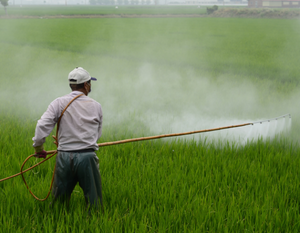
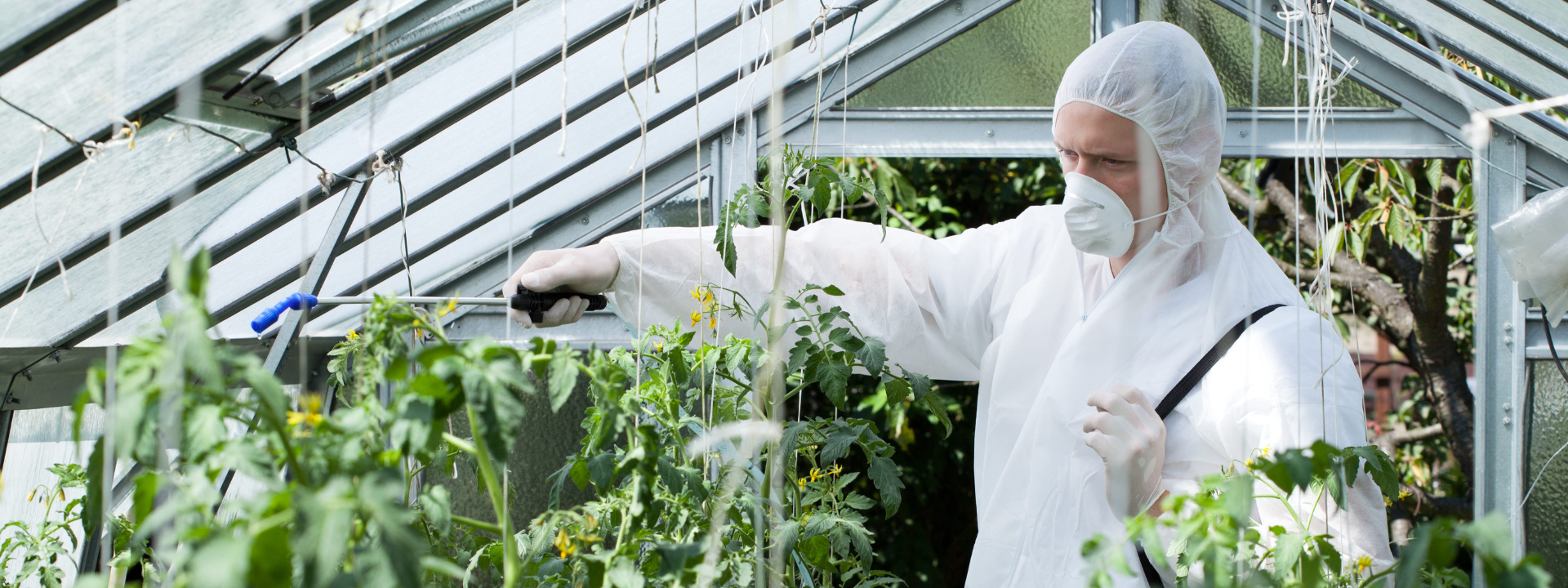
Eurofins Food & Feed Testing laboratories are global leaders in pesticide residue testing with 20 years of experience in food and environmental testing. Our use of ultra-modern analytical instrumentation, broad testing experience across multiple food industry groups, and highly trained staff sets us apart from other testing laboratories in the industry. We have the most comprehensive pesticide scope available with over 800 chemical standard compounds in our inventory. We participate regularly in all major global Proficiency Testing programs for pesticide residues for the most common agricultural commodities in commerce and harmonize our methods with other Eurofins Food & Feed Testing laboratories around the world.
Our network of Eurofins Food & Feed Testing laboratories offers a series of large multi-residue screens to provide a more cost-effective option for our clients. The selection process for the pesticides included in our multi-residue screens is based on the following criteria: specific groups of commodities, compendium methods, and regulations mandated by local, national and international authorities. As a result, our packages are ideal for clients exporting commodities from the US. Some of these packages include multiple methods because they are crafted to include known used chemicals for specific markets.
Process contaminants and additives
Process contaminant residues in food have become an increasing concern for global regulatory bodies in the last 25 years. California Prop 65, EU Commission, and FDA regulations are most commonly monitored in assessments of finished product compliance and testing requirements.
Eurofins Food & Feed Testing is a recognized leader in this field and offers comprehensive testing with unrivaled technical expertise. Below you will find the many common panels we offer for this important testing requirement.
Process contaminants and additives by class
- 2,6-Dichlorophenol (DCP)
- 4-Methylimidaole (4-MEI)
- Acrylamide
- Antioxidants
- Bisphenol A
- Caffeine
- Chlorate and perchlorate
- Cyanide
- Ethoxyquin
- Ethyl carbamate
- Furans
- Glycols
- Hydrocarbons
- MCPD and glycidol esters
- Melamine
- Nitrosamines
- Phthalates
- Polynuclear aromatic hydrocarbons (PAH compounds)
- Quaternary ammonium compounds
- Smoke related compounds
- Sudan dyes
Residual solvents and fumigants
The control of residual solvent and fumigant residues in food and dietary supplements is a critical quality concern. Regulations from California Prop 65, EU Commission, and FDA are most active and monitored in assessments of finished product compliance and testing requirements.
Eurofins Food & Feed Testing is a recognized leader in this field and offers comprehensive testing with unrivaled technical expertise. Below you will find the many common panels we offer for this important testing requirement.
Residual solvents by compendial method or class
- USP 467 Class 1, 2, 3
- EPA 5021
- AOCS Ca 3b-87 (olive oil)
- AOCS Cg 4-94 (food grade oils)
- Ethanol
- Dichlorophenols
- Hexanes
- Benzene
- Styrene
Fumigants by class
- Cyanide
- Ethylene oxide
- Phosphine
Veterinary drug residue testing services
Avoiding antibiotic residues from veterinary drugs in food is essential in order to produce safe products for human consumption. There is a high chance of allergic reactions in sensitive individuals when antibiotics are found in foods, which is becoming more common. With greater exposure to these substances, individuals may also develop increased resistance to antibiotics causing them to become less effective when prescribed for medical reasons.
This has led to a growing body of legislation across the world. Legislations, such as the 'Maximum Residue Limits' regulations, were imposed by the EU and the US in 1990 and 1991, respectively.
Worldwide concern about the effect of antibiotic residues from veterinary drugs in food has created a need for testing across a variety of products including:
- Muscle meats (chicken, fish, shellfish)
- Other products of animal origin (pet treats, animal feeds, fish meal,
- Poultry meal, dairy products, honey)
- Dried Distiller Grains (DDG) and enzymes
Our Eurofins Food & Feed Testing network has responded to this need by significantly increasing the number of antibiotics for which we can screen.
Meat and poultry label verification
Eurofins Food & Feed Testing offers multi-panel antibiotics and growth promoter residue testing for animal feeds, urine, raw meat and ready-to-eat meat products. The results of these broad-spectrum panels are suitable to provide data for on-label and off-label antibiotics, hormones and beta-agonists.
FDA approved antibiotics by class
- Aminoglycosides
- Amphenicols
- Avermectins
- Beta-lactams
- Coccidiostats
- Macrolides
- Sulfonamides
- Streptomycin
- Tetracyclines
Banned antibiotics by class
- Chloramphenicol
- Fluoroquinolones and quinolones
- Nitrofurans and nitrofuran metabolites
- Nitroimidazoles
- Triarylmethane dyes
Beta agonists
- Cimaterol
- Clenbuterol
- Lubabegron
- Ractopamine
- Salbutamol
- Zilpaterol
Hormones and growth promoters
- Estrogens
- Gestagens
- Androgens
- Bacitracin
- Virginiamycin
- rBST
Other drug residues of interest
- Antiviral drugs
- Pentobarbital
Multi-drug panels
- Dairy
- Honey
- Animal feed
- Meat
- Seafood
- Dried Distiller Grains (DDG)
We will continue to add to this list as new requirements are identified. Be sure to inquire about specific drugs that you do not find on these lists.
Additional services
Related services offered by Eurofins Food & Feed Testing:
- Acrylamide testing
- Allergen testing
- Ethylene oxide testing
- Microbiology testing
Learn more about contaminant testing
Explore our resources below.