Challenge study test
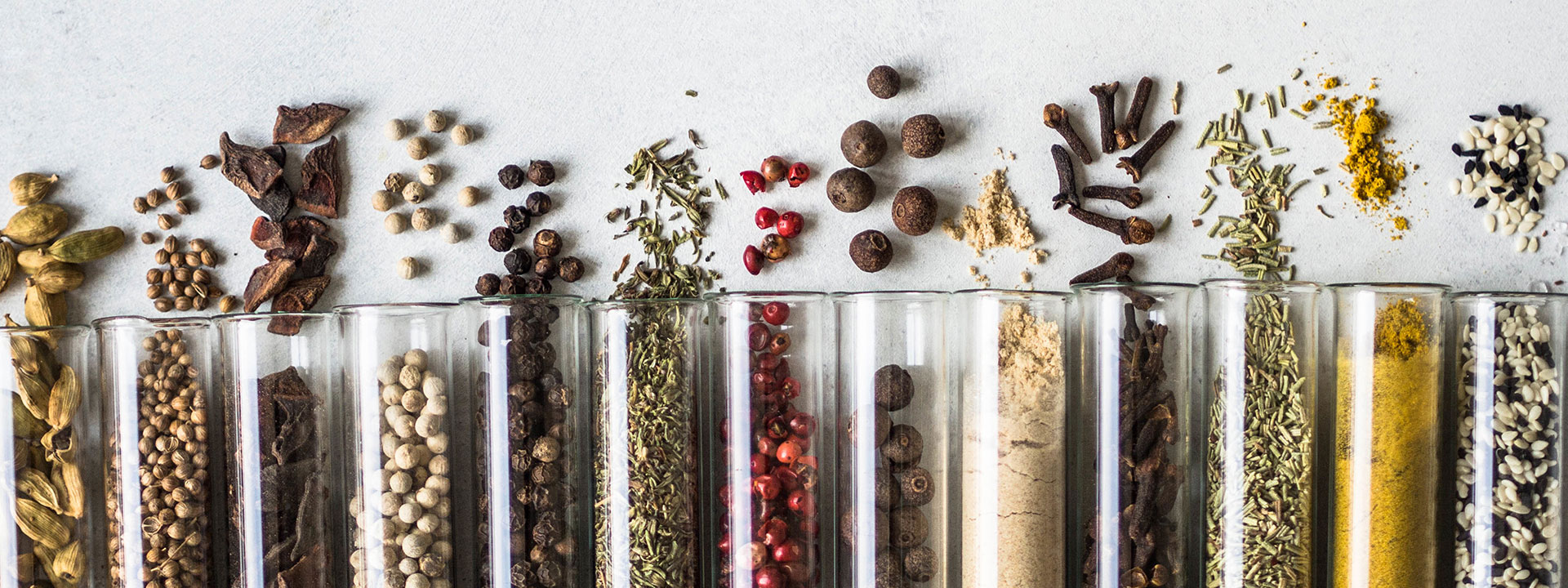
The process of challenge testing involves inoculating a particular risk microorganism in a known concentration into a food product to assess what growth may occur during production, distribution, processing, storage or handling by consumers. The inoculated food product is then stored and tested. This process serves as the ultimate evidence of the safety and microbiological stability of food.
Why conduct challenge testing?
Challenge testing helps determine the ability of a food product to support the growth of spoilage organisms and provides validation of the effectiveness of a process against a target organism. The process must achieve a predetermined performance standard, such as a 5-log reduction of Escherichia coli O157 in fermented meats. Challenge testing also helps assess whether a specific process used for a food product complies with the established performance standard. When selecting appropriate challenge pathogens, it is essential to consider the food formulation and the product's history, including any known foodborne illness outbreaks associated with similar products.
Food groups we test
Processed and thermally processed foods, packaged drinking water, animal feed, meat, fish and poultry products, herbs, spices, condiments, fruits and fruit products, food ingredients and additives, packaging materials, and cosmetics.
Comprehensive pathogen challenge testing
Comprehensive challenge testing for foodborne pathogens and spoilage organisms, including Listeria monocytogenes, Salmonella, Legionella pneumophila, Escherichia coli O157, Vibrio spp., Clostridium perfringens, Bacillus cereus, Campylobacter, Enterobacter species, Staphylococcus aureus, and enterotoxins.
Additional services
In addition to our core analytical services, Eurofins Food & Feed Testing provides a wide range of solutions related to irradiation:
- Consulting on regulatory labelling requirements for irradiated and treated-with-ionising-radiation products
- Verification of irradiation facilities and processes for suppliers
- Batch screening and routine monitoring programmes
- Customised testing strategies for complex product portfolios
- Training and webinars on food irradiation and detection methods
Our testing capabilities
- Eurofins Food & Feed Testing provides customised challenge studies based on the National Advisory Committee on Microbiological Criteria for Foods (NACMCF) guidelines
- Challenge studies can be designed for evaluating the efficacy of food preservatives, additives, spices, and more
- Each challenge study is unique, as every product formulation and processing technique is different Challenge studies primarily aim to determine or demonstrate the thermal death time (TDT) of a pathogen by testing for pathogens of interest, such as salmonella, listeria monocytogenes, escherichia coli, bacillus cereus, staphylococcus aureus, clostridium species, and other emerging pathogens
- We also offer broad range of testing services for spoilage organisms such as yeast, mould, lactic acid bacteria, and more to determine the stability of a food product
- Eurofins Food & Feed Testing can also further customise these challenge studies with specific organisms according to clients interest and respective product, process, and formulation goals
Why choose us?
- Strong customer focus with quality service
- One-stop solution laboratory
- Reliability assured and delivered
- Laboratory with the latest equipment
- Competent, qualified and experienced analysts
- Dedicated customer support
- Trusted by top brands
Get in touch
Would you like to find out more about our testing solutions, or do you need tailored analytical support? Contact us today to get in touch with our experts.