Genomic Services

DNA/RNA synthesis

Sequencing
Genes and gene fragments

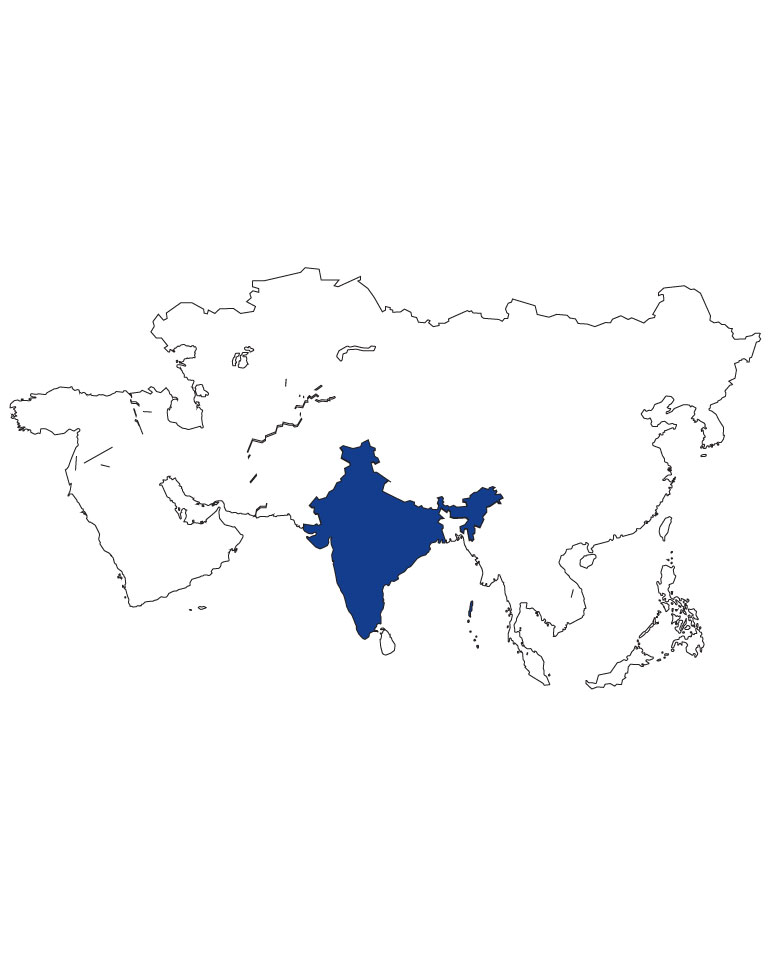
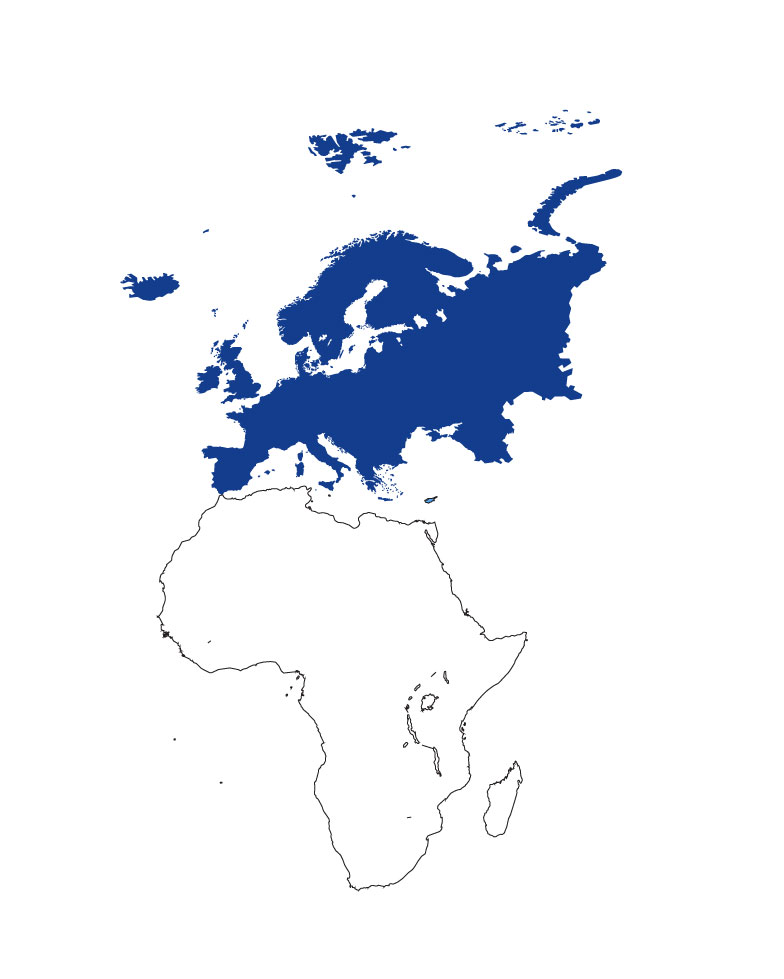
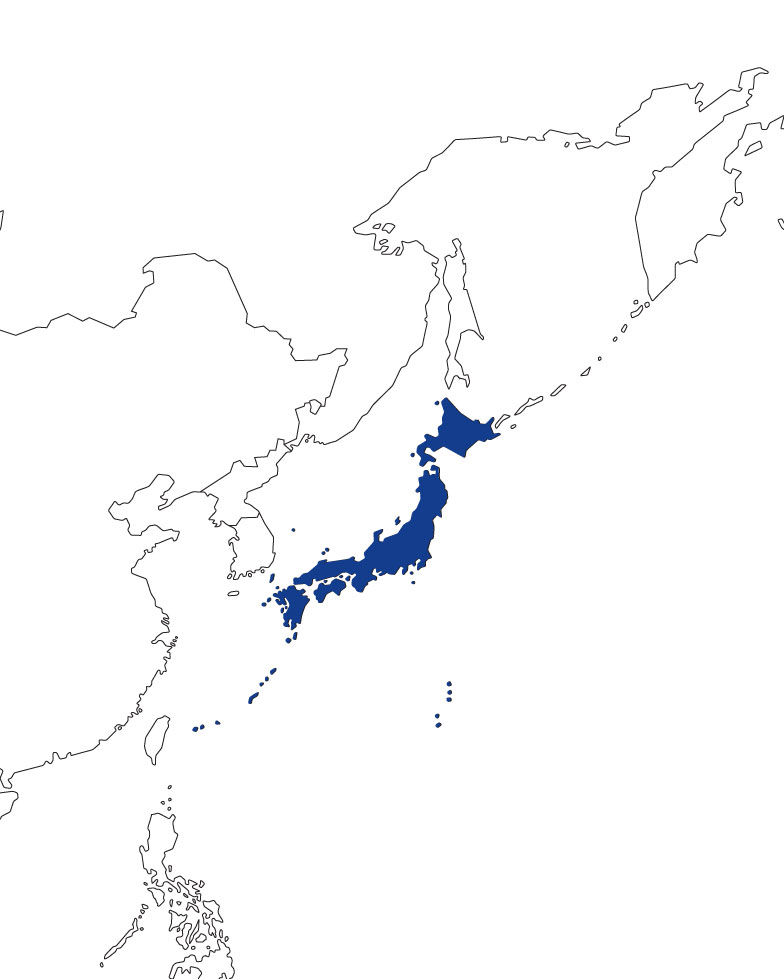
With facilities in Europe, North America, and Asia, we support clients in the pharma, diagnostics, food, agriculture, biotechnological and research markets with services in DNA synthesis, DNA sequencing, gene synthesis, genotyping, and bioinformatics.

Products and services
Synthetic DNA/RNA
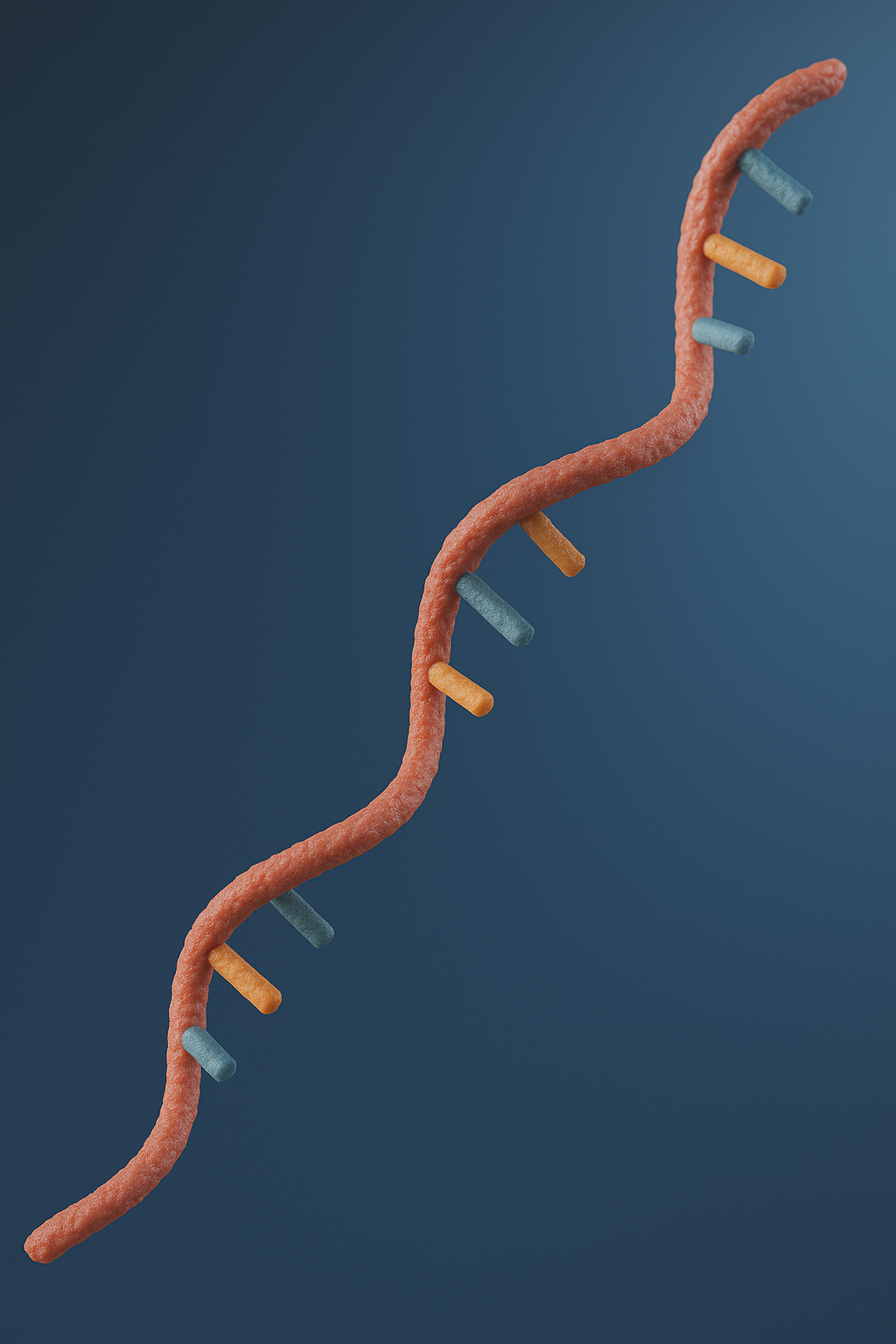
DNA/RNA synthesis
High-quality, single-stranded oligonucleotides applicable to almost any research field.
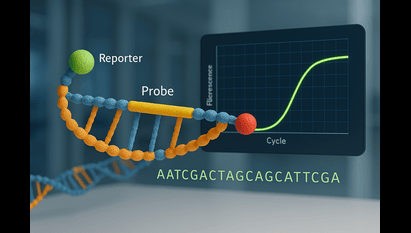
Dual-labelled probes
Huge assortment of custom probes for qPCR, dPCR, LNA, MGB applications and more.

Genes and gene fragments
The masters of complex gene constructs. Express service available for any gene.
Sequencing
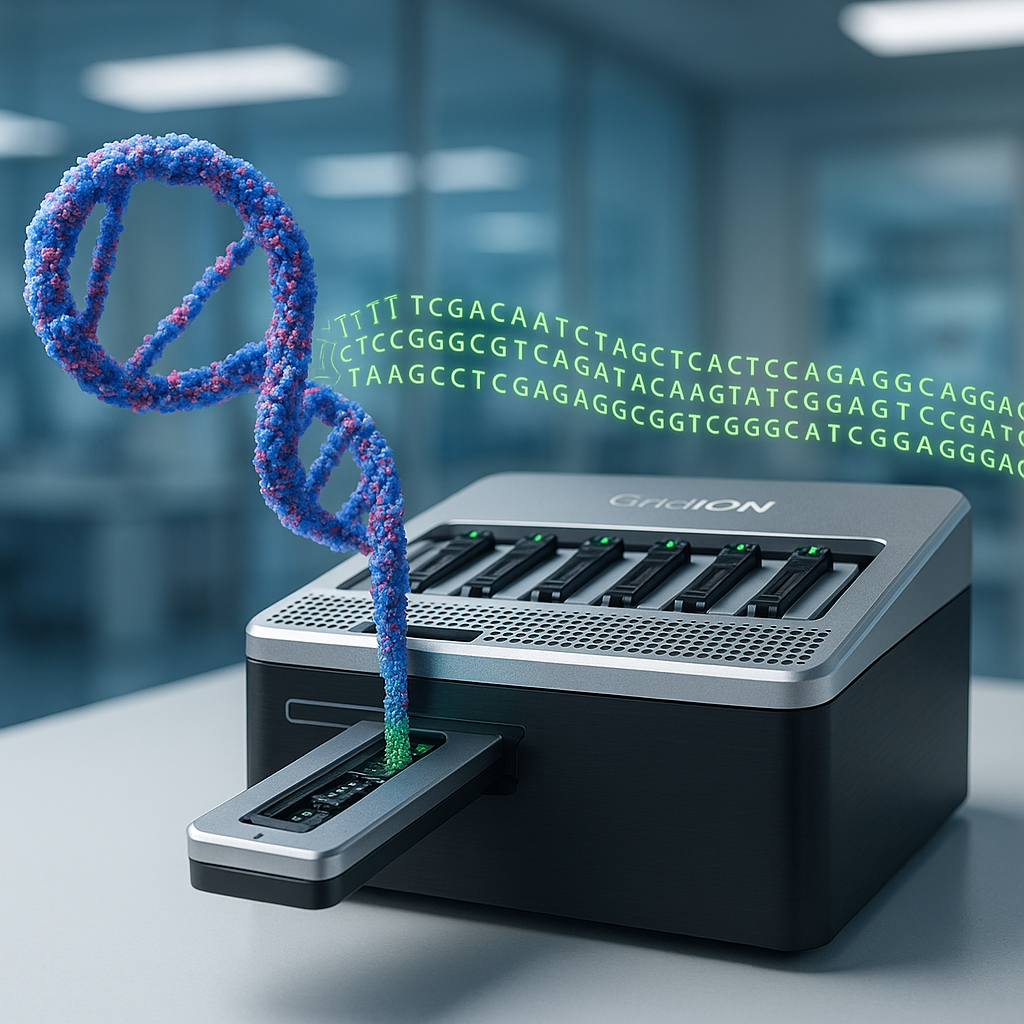
Whole plasmid sequencing
Fast, affordable sequencing using the Oxford Nanopore platform for full plasmids, amplicons, bacterial genomes, and more.
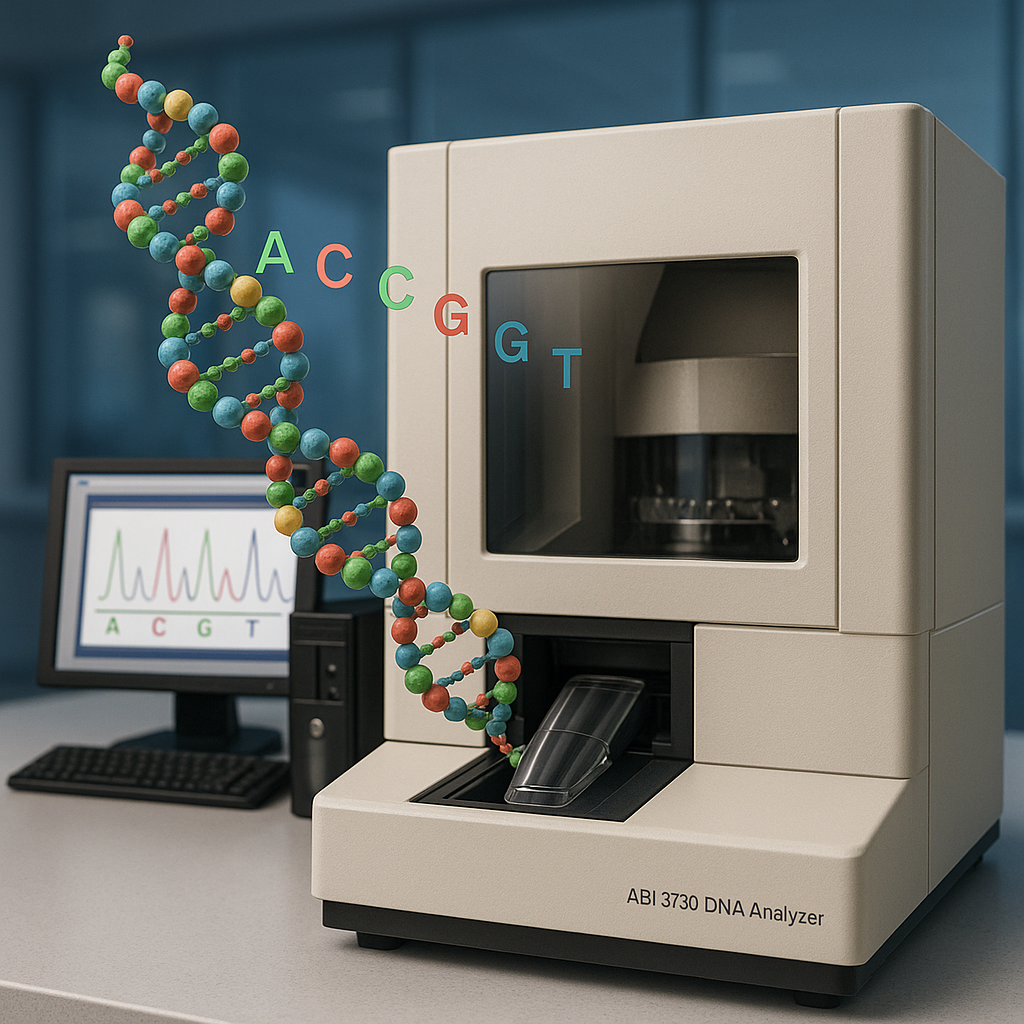
Sanger sequencing
The gold standard in sequencing with 99.9999% accuracy. We cover all Sanger needs including popular prepaid options.
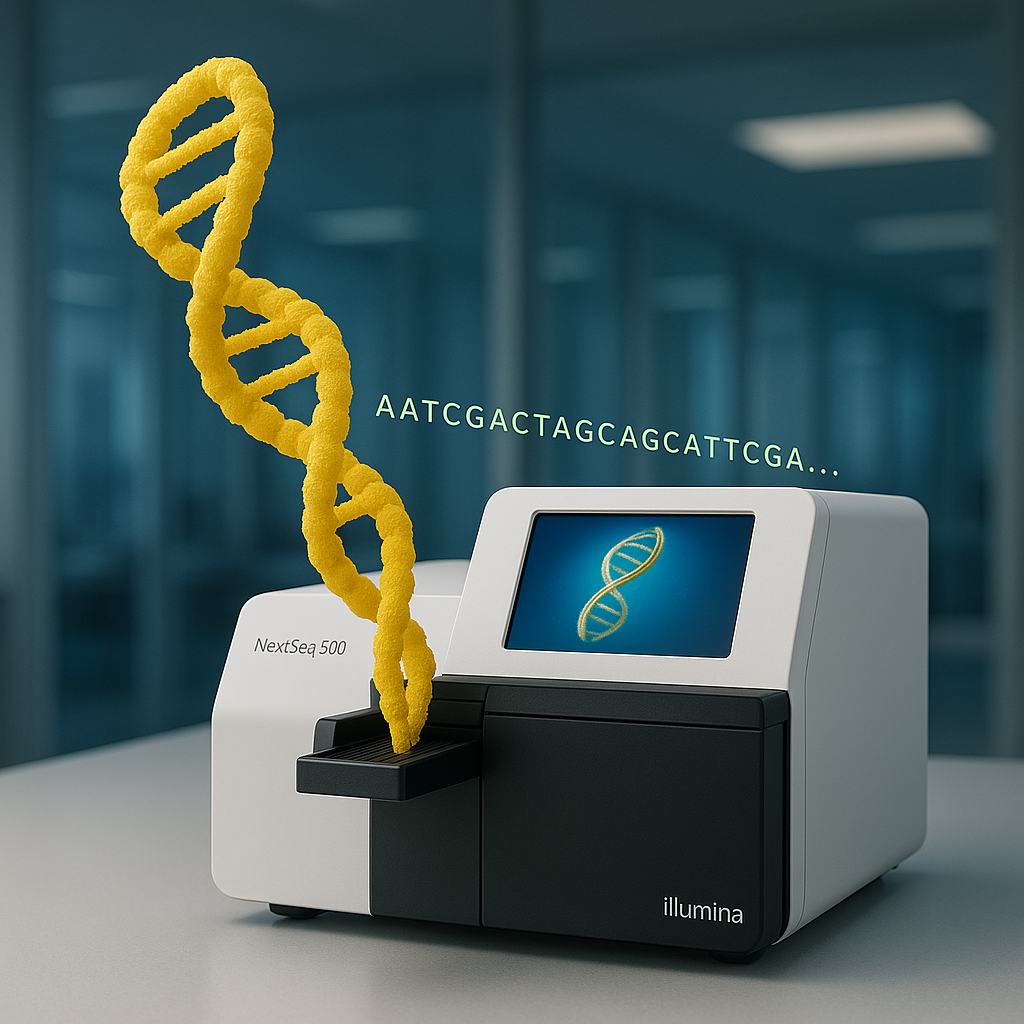
Next generation sequencing
From pre-designed packages to fully custom projects, we are the NGS provider of choice amongst researchers.
Applied Genomics

Wastewater testing
Community-level monitoring of pathogens and biomarkers, providing early insights into public health trends.
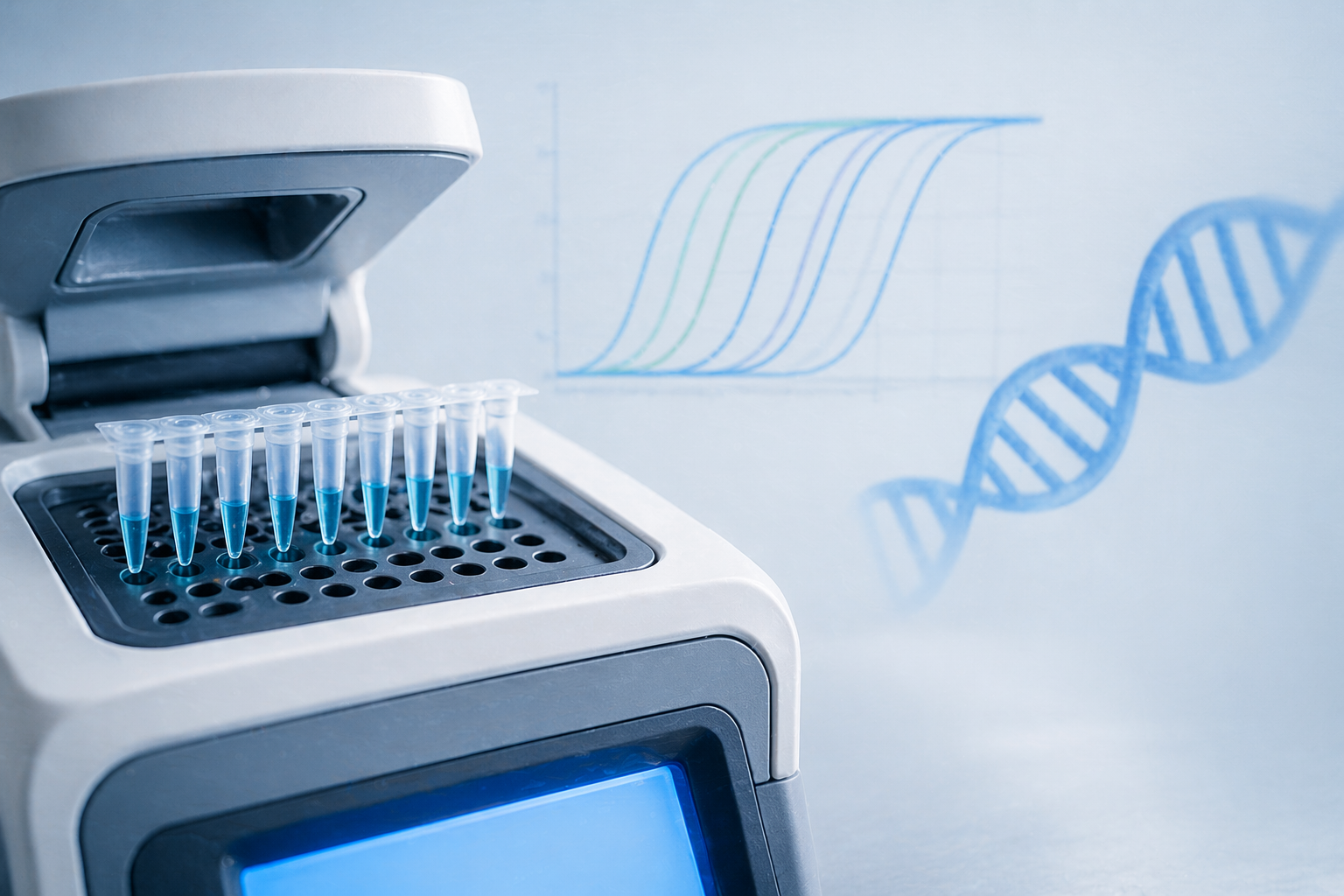
PCR & Genotyping
High-sensitivity PCR services deliver precise amplification and detection of target DNA or RNA for research, diagnostics, and sequencing workflows.
Microarrays
Microarray technology offers high-throughput analysis of gene expression and genetic variation across thousands of targets in a single experiment.
Latest insights and resources

Monday, 18/05/2026
Full-length plasmid sequencing using Nanopore technology
Full-length plasmid sequencing using Nanopore technology has transformed the way plasmid DNA is characterised



Find a site near you!
 Clear Filters
 Reset Filters