Bacillus cereus in food
Managing Bacillus cereus risk through microbiology and toxin testing
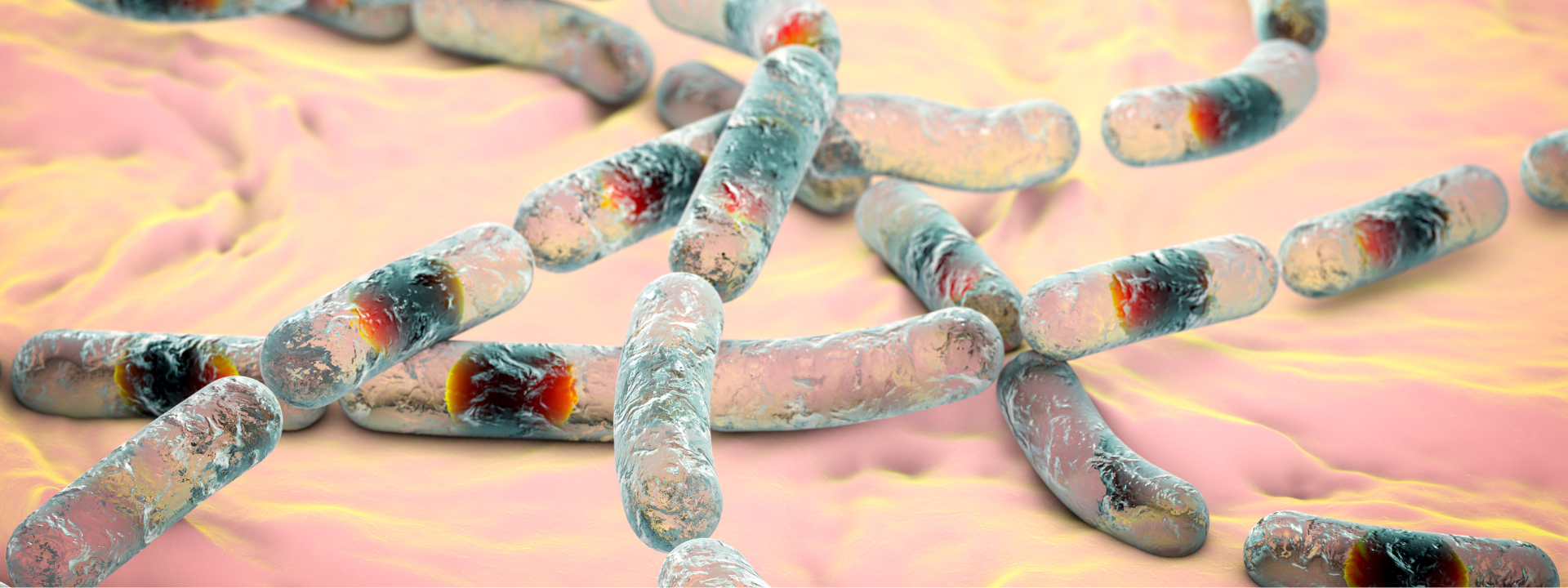
Bacillus cereus is a group of spore forming bacteria commonly found in the environment and in many food raw materials. When present at high levels it can cause foodborne illness through toxin production. Eurofins Food Testing UK Ltd, in partnership with the Eurofins network of laboratories, offers accredited microbiological analysis and advanced toxin detection to help food businesses assess risk, support investigations and demonstrate due diligence.
What is Bacillus cereus
Bacillus cereus is widely distributed in soil, dust, plant material and food processing environments. The organism forms endospores which are highly resistant to heat and can survive normal cooking processes such as pasteurisation.
When foods are cooked and then cooled slowly or stored at inappropriate temperatures the surviving spores may germinate and grow. If sufficient numbers of cells develop or toxin is formed in the food, illness can occur following consumption.
Types of illness associated with Bacillus cereus
Two main types of illness are associated with Bacillus cereus depending on the toxin involved.
- Diarrhoeal illness; symptoms usually occur 8 to 16 hours after consumption and include abdominal pain and diarrhoea. Diarrhoeal toxin is produced in the intestine after ingestion of large numbers of bacteria
- Emetic illness; symptoms occur rapidly, typically 0.5 to 6 hours after consumption. Illness is caused by ingestion of the toxin cereulide which is produced in the food before consumption
The cereulide toxin is heat stable. Once formed it can survive cooking or reheating and may remain present even when viable bacteria are no longer detectable.
Foods commonly associated with Bacillus cereus
Bacillus cereus may be present in many foods because of its widespread occurrence in the environment. Low levels are frequently detected without causing illness. Food poisoning is typically associated with temperature abuse that allows bacterial growth or toxin production. Foods commonly implicated include:
- Cooked rice, pasta and noodles
- Dairy products and desserts
- Soups, sauces and ready meals
- Herbs, spices and dried ingredients
- Cooked foods that are cooled slowly or stored incorrectly
The emetic form of illness is most often linked with starchy foods such as rice or pasta. If cooked foods are held at ambient temperature the spores may germinate and produce cereulide toxin directly in the food.
Infective dose
Foods implicated in Bacillus cereus food poisoning typically contain more than 105 colony forming units per gram (cfu/g). However illness may also occur when toxin has been produced in food prior to consumption, even if subsequent heating reduces the number of viable cells.
Key considerations for food manufacturers
Bacillus cereus is considered a relatively common cause of foodborne illness although many cases are not reported because symptoms are usually mild and short lived. Important factors to consider include:
- Spores survive typical cooking processes
- The organism may grow in both aerobic and anaerobic conditions
- Psychotrophic strains can grow at refrigeration temperatures particularly in dairy products
- Some related Bacillus species such as Bacillus thuringiensis may also be associated with illness
Control measures in food production
Effective control focuses on preventing bacterial growth and toxin formation. Key measures include:
- Rapid cooling of cooked foods to below 5°C
- Maintaining hot foods above 60°C
- Reheating foods thoroughly to above 75°C
- Preventing cross contamination during preparation and storage
How testing can support food safety management
Laboratory testing can help food businesses understand contamination risks, investigate food safety incidents and verify control measures.
Bacillus cereus microbiology testing
Eurofins Food Testing UK Ltd provides microbiological testing for Bacillus cereus using recognised culture based methods. Enumeration of Bacillus cereus can help assess contamination levels in ingredients, finished products and environmental samples. Testing may be useful for:
- Routine microbiological monitoring
- Investigation of spoilage or food safety complaints
- Shelf-life validation studies
- Verification of cleaning and process hygiene controls
Cereulide toxin testing
In some cases bacterial enumeration alone may not fully explain a food safety issue. Where toxin formation is suspected, specialist analytical methods can be used to detect cereulide directly. Cereulide testing can support
- Investigation of foodborne illness incidents
- Assessment of risk in temperature abused foods
- Evaluation of product recalls or contamination events
Get in touch
Would you like to find out more about our testing solutions, access our competence centre services, or do you need tailored analytical or consultancy support?
Contact Eurofins Food Testing Ireland today to speak to our experts by submitting an enquiry form or calling +353 (0)1 431 1306