Detection of emetic Bacillus cereus strains in just one day
PCR provides rapid and specific results
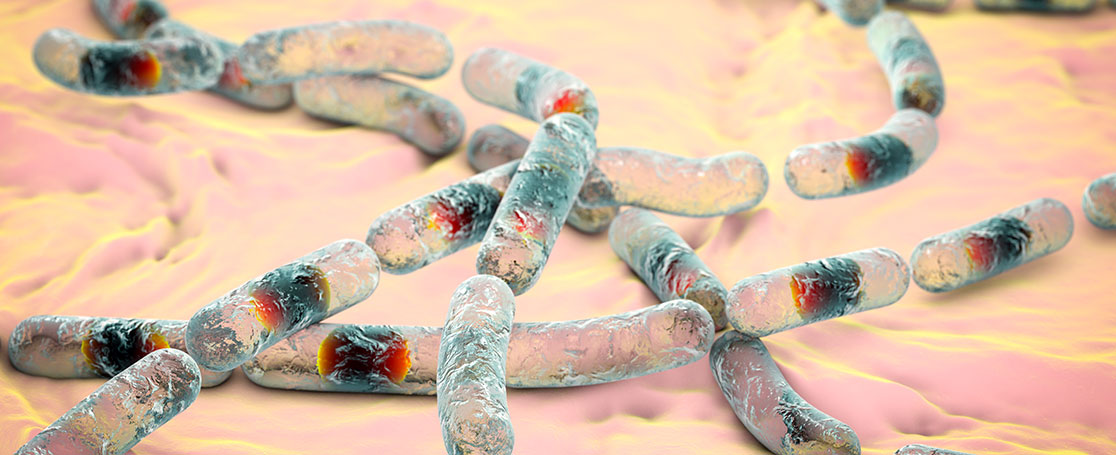
Jan 2026 (update). Some Bacillus cereus strains produce toxins that can cause a food-borne disease. Eurofins Food & Feed Testing laboratories in Germany offer both the detection of the strain and the detection of the gene for the emetic (vomit inducing) toxin within just one day (24h-48h). Appropriate pre-enrichment combined with selective PCR provides rapid and specific identification of the cereulide toxin gene in presumptive Bacillus cereus strains within the accredited scope.
Current status of detection
For the assessment of the toxinogenic relevance of a detection of presumptive Bacillus cereus, the germ count on the one hand and the toxin formation capacity on the other hand are decisive (ALTS Ad-hoc-AG Art. 14, Empfehlung zu bedenklichen Mikroorganismen (recommendation on microorganisms of concern), 2010). Preformed cytotoxic or haemolytic enterotoxins, as well as the emetic toxin that can trigger severe and persistent vomiting, can be detected either through labor-intensive cell culture assays or by LC‑MS/MS according to ISO 18465:2017.
Problem of the current evidence
A lateral immunological test system for this heat-stable toxin has been withdrawn from the market. The cell culture detection of the emetic toxin in food directly or in culture supernatants is no alternative for urgent routine decisions. LC‑MS/MS can serve as an alternative, for example when analysing cereulide in foods or infant formula. However, emetic strains of presumed Bacillus cereus may be present in the food at delivery, but not the toxin, because it is only formed after spores have germinated during storage or when cooked starchy foods (rice, pasta, gnocchi, etc.) are kept warm in an irregular manner, or because the toxin is released by absorption of the living germs in the intestine (B. cereus Enterotoxine). It is therefore of great interest to be able to detect these B. cereus strains directly in food.
The solution to the problem
Eurofins INLAB GmbH is able to detect Bacillus cereus strains that carry the gene for the production of emetic toxin by PCR after a short culture period. The validation study included products containing starch (e.g. gnocchi) as well as milk/dairy products (ricotta). Of course, isolated strains can also be tested. The validation has been completed, the method is accredited for specific food matrices.
Get in touch
Would you like to find out more about our testing solutions, or do you need tailored analytical support? Contact us today to get in touch with our experts.
Written by:
Jens Kroll
Eurofns Inlab GmbH