Analysis of hops and beer
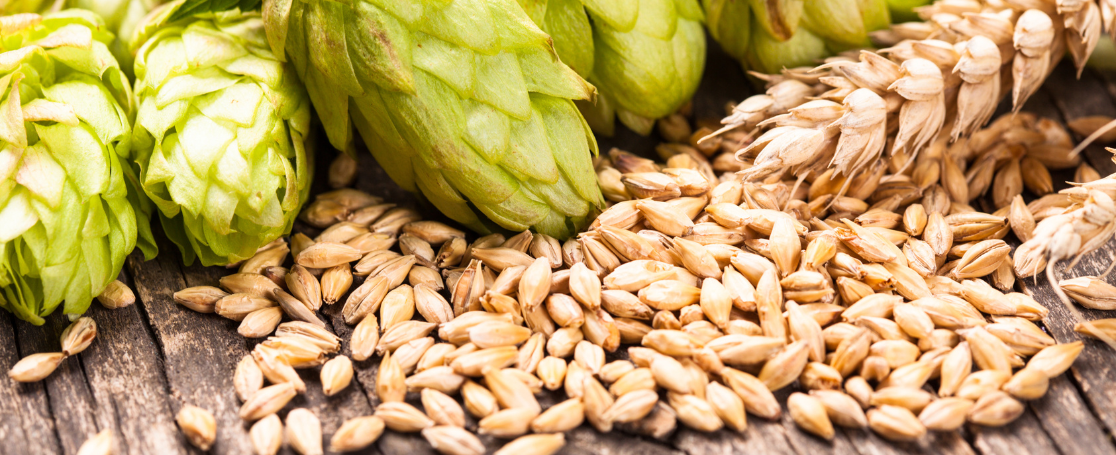
Residue monitoring for hops and other beer raw materials
July 2024. The cultivation of hops is of great economic importance, especially in the context of rising global demand. It is therefore important to protect hop cultivation and to ensure that both raw materials and finished products are free of residues and can be further processed.
Our experts in the Eurofins laboratory network for food and feed analysis in Germany offer producers, traders and breweries a comprehensive range of analyses along the entire value chain for hops, the beer brewed with their addition and for other raw materials such as grain and malt. The constant monitoring of current requirement criteria ensures the quality of the products throughout all production steps.
Hop analysis for residues and contaminants
Due to its natural composition, the analysis of hops presents particular challenges for laboratory analysis. In particular, the presence of resins and essential oils in hops requires special purification of plant extracts for the determination of possible pesticide residues and contaminants. In 2009, Eurofins developed the first pesticide screening specifically tailored to the hop matrix and is continuously adding new and existing methods according to the current registration situation.
In 2024, for example, the maximum levels for etoxazole and bifenazate* have been reduced by a factor of 300 and 400 respectively. As a result, the limits of quantification for both active substances have been significantly reduced.
*Bifenazate (sum of bifenazate and bifenazate diazene, expressed as bifenazate)
Hop screening and single target methods
With the analytical method specially developed for hops, we detect more than 550 pesticides in cone hops, pellets and extract in one screening. For optimum performance in hop analysis, our analytical system combines the best features of the DFG S19 and the QuEChERS method. The measurement is carried out using state-of-the-art TripleQuad mass spectrometry. An additional purification step removes interfering substances such as hop resins.
In addition, you can select supplementary individual analyses for residues and contaminants from our extensive portfolio to create your own individual analysis spectrum. In view of the annually changing active ingredient registrations and changes in maximum residue levels (MRLs) by the regulatory authorities, the test plan for hops is specifically adapted each year to the registration and harvest situation.
Safe analysis of beer and its ingredients
With decades of experience in the evaluation of beer raw materials, our experts in the Eurofins laboratory network for food and feed analysis in Germany offer screening methods for all relevant pesticides and contaminants.
Beer raw materials and beer
- Barley
- Malt
- Hops
Pesticides, contaminants and their metabolites
- Plant protection products
- Growth regulators
- Mycotoxins
- Tropane alkaloids
- Glyphosate
We also offer appropriate analyses for freshly brewed beer. The spectrum ranges from basic and routine analysis of common beer parameters to the determination of relevant individual parameters (e.g. glyphosate) and multi-methods for the detection of several hundred pesticides.
Safety through reliability
The reliability of the methods and the quality of the results are verified by successfully passing regular interlaboratory tests. With more than 2,000 analyses per year in hops, cereals and beer, the Eurofins laboratory network for food and feed analysis in Germany is a competent partner for residue analysis in these product groups.
Get in touch
Would you like to find out more about our testing solutions, or do you need tailored analytical support? Contact us today to get in touch with our experts.
Written by:
Eurofins SOFIA GmbH