Plant-based alternative: algae as a sustainable protein source
What to look out for when using them in fish substitutes and co.
Feb 2022. Plant-based protein sources are an important component in the production of vegan and vegetarian foods. In this context, algae represent an interesting possibility to supply the protein demand and to use them, among others, in the segment of vegan substitutes for fish and seafood.
In this article, you can read about the nutrients that algae provide and the critical parameters you should pay attention to when using them.
Micro or macro? Different algae for food production
The term "algae" is a collective term for various water-dwelling eukaryotes that perform photosynthesis. To bring some structure to this group, the size of the algae is a suitable differentiating feature: A distinction can be made between microalgae and macroalgae.
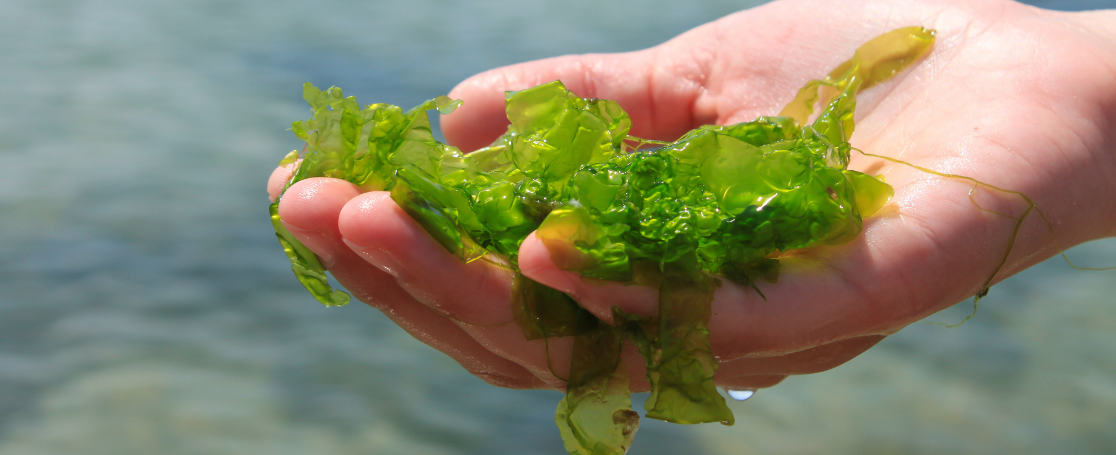
While microalgae, often unicellular organisms, can only be viewed under a microscope, macroalgae can be seen with the naked eye. In food production, macroalgae can be used directly as a source of protein and dietary fiber, such as the established nori (e.g. Porphyra) in sushi or Ulva lactuca as sea lettuce. Furthermore, also wakame (Undaria pinnatifida), Irish moss (Chondrus crispus) and marine spaghetti (Himanthalia elongata) are used. Macroalgae provide texture and flavour.
Microalgae are also increasingly used as an ingredient. Among the best-known is chlorella algae, which can act as a vegan protein source.
Value-adding ingredients of algae
In order to be able to use algae skillfully, their contents of proteins, dietary fiber, important trace elements, omega-3 fatty acids and vitamins are of interest, in addition to their taste and processability.
- Algae are suitable for fish substitutes because of their specific taste, which ranges from salty, grassy and nutty to largely neutral.
- Algae can make a significant contribution to the supply of omega-3 fatty acids and thus take over the role of fish meat. Eicosapentaenoic acid (EPA) and docosahexaenoic acid (DHA), which are otherwise ingested e.g. via fish oil play an important role here.
- In terms of trace elements, algae contain zinc, iron, selenium, potassium and calcium. The respective contents depend on the type of algae and the water quality.
- Vitamin B12, which is primarily found in animal products, is also produced by certain chlorella algae. These algae are therefore interesting to prevent a deficiency as a result of a vegan diet. However, the contents in the algae can vary greatly.
Algae from organic production – requirements in EU organic law
The use of algae offers some ecological advantages compared crops such as field bean or soy, which often serve as a source of protein in vegan substitute products, e.g. lower land consumption. But how can algae also be produced organically as defined by law?
EU Organic Regulation 2018/848 defines siting requirements, as well as stipulating that an appropriate environmental assessment must take place and a sustainability plan must exist. The use of fertilizers is highly regulated. The collection of algae is also considered organic production, but may only take place in areas without pollutant sources.
Algae and iodine
If algae are used as an ingredient, their iodine content must be taken into account. Currently, there is no legally defined maximum content for algae, but a tolerable intake of 500 µg/day. It should be noted that depending on the type of algae, there can be large differences in the levels, ranging from 5 to 11000 mg/kg dry weight. Overall, algae have the highest iodine content in food after the often iodized table salt, followed by various fish species.[1, 2]
Important analytical parameters for the safety of algal products
Despite the health and environmental benefits of algae, some critical parameters must also be considered:
- Especially when algae are obtained from marine systems, it should be noted that they are exposed to certain contaminants and can accumulate them to some extent. Known in this context is a possible increased contamination with heavy metals. Algae should be tested for lead, cadmium and aluminum as well as for inorganic arsenic.
- Another aspect of quality assurance is testing for radioactivity since the reactor accident in Fukushima in 2011 caused increased contamination. Values depend on the location of the algae.
- In general, the focus has also shifted to per- and polyfluoroalkyl substances (PFAS). With regard to algae, the contamination with perfluorooctanoic acid (PFOA) in particular should be kept in mind.[3]
Get in touch
Would you like to find out more about our testing solutions, or do you need tailored analytical support? Contact us today to get in touch with our experts.
Written by:
Kathleen Enke
Eurofins NDSC Food Testing Germany GmbH
References: Opinions of the German Federal Institute for Risk Assessment (Bundesinstitut für Risikobewertung BfR)
[1] Health risks linked to high iodine levels in dried algae. Updated BfR Opinion No. 026/2007, 22 June 2004
[2] In German: Declining iodine intake in the population: model scenarios for improving iodine intake. BfR Opinion No. 005/2021, 9 February 2021
[3] PFAS in food: BfR confirms critical exposure to industrial chemicals. BfR Opinion No 020/2021, 28 June 2021