Microbiological Water Testing

Beoordeel de kwaliteit van drinkwater ter ondersteuning van gezonde veehouderij
Microbiological Water Testing
Water used for the irrigation or rinsing of food crops must meet strict quality standards. This applies to crops grown both in greenhouse cultivation and in open-field production systems.
Microbiological water testing helps assess whether irrigation or process water meets the required microbiological quality standards, reducing risks to crop safety, quality and compliance.
What is Microbiological Water Testing?
Microbiological Water Testing identifies the bacteria, fungi and other micro-organisms present in irrigation, wash and process water. The testing is used to assess whether water can be safely used for the cultivation or washing of fruit and vegetables, both in greenhouse production and open-field cropping systems.
The testing includes parameters such as E. coli, coliform bacteria, enterococci, the aerobic colony count and total fungal counts, providing clear insight into the microbiological quality of the water. The results help determine whether the water complies with relevant standards, including GLOBALG.A.P. requirements and the *European Drinking Water Directive
Why use Microbiological Water Testing?
Water poses a direct food safety risk when it is contaminated with pathogens. Growers are required to carry out a risk assessment for water used in irrigation or crop protection, as specified in GLOBALG.A.P. requirements.
This is particularly important during dry seasons, when growers may need to rely on alternative water sources such as surface water. Microbiological Water Testing helps identify potential contamination, supports food safety, and assists in meeting certification and compliance requirements.
How do you use Microbiological Water Testing?
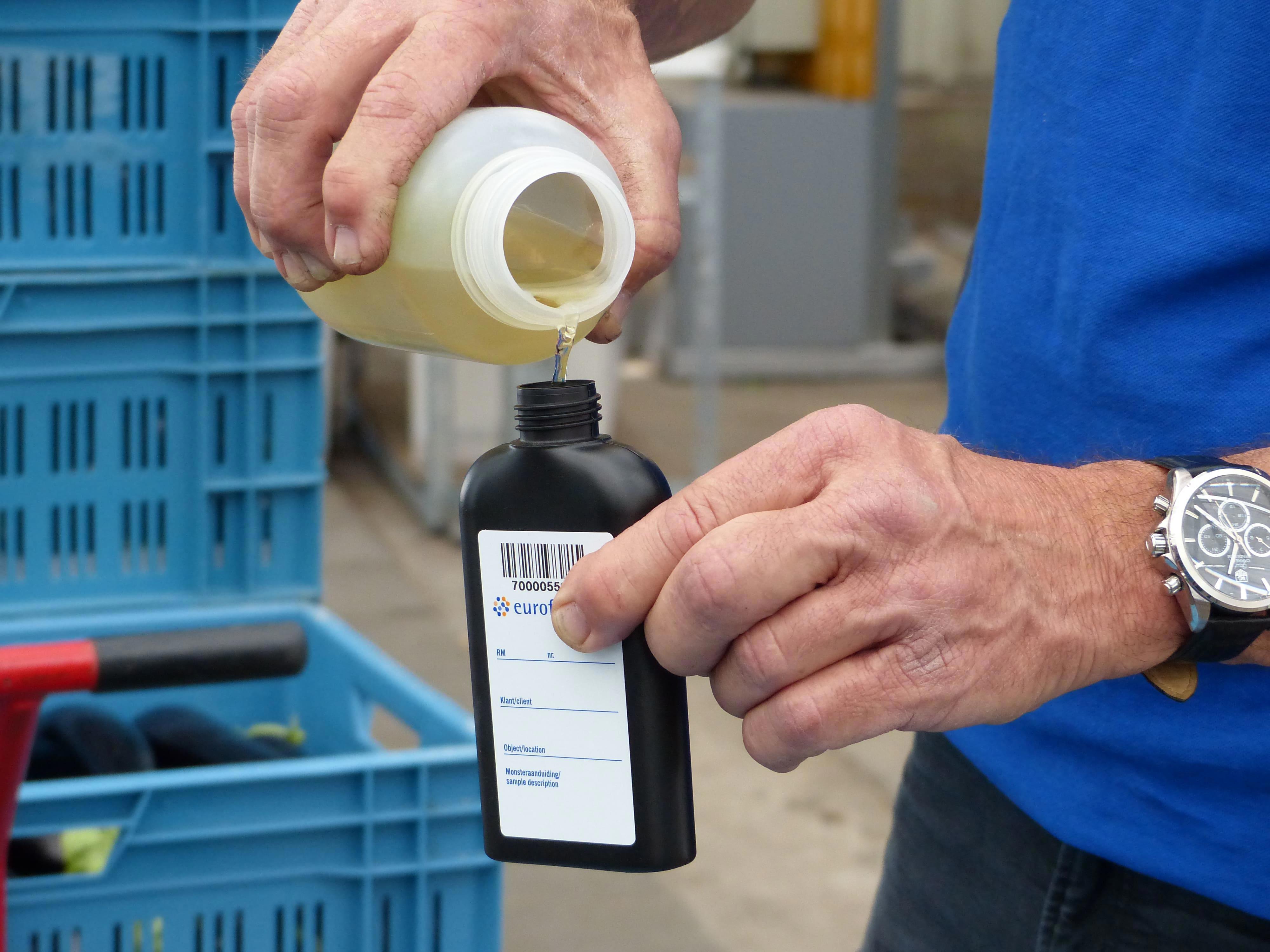
A water sample is analysed using established and accredited methods. Depending on the selected package, the following parameters may be measured:
-
Aerobic plate count (bacteria and fungi)
-
Total fungal count
-
E. coli, coliform bacteria and enterococci
-
Additional pathogens, if required, through DNA Multiscan
-
The results are compared with relevant standards and guidelines, such as:
-
E. coli < 1,000 cfu/100 ml (GLOBALG.A.P.)
-
E. coli < 1 cfu/100 ml (European Drinking Water Directive)
-
Aerobic plate count < 100 cfu/ml
-
Enterococci < 1 cfu/100 ml
-
Coliform bacteria < 1 cfu/100 ml
The report clearly identifies any deviations from the applicable standards and indicates whether the water is suitable for its intended use, such as irrigation, rinsing or other agricultural applications.
When is Microbiological Water Testing used?
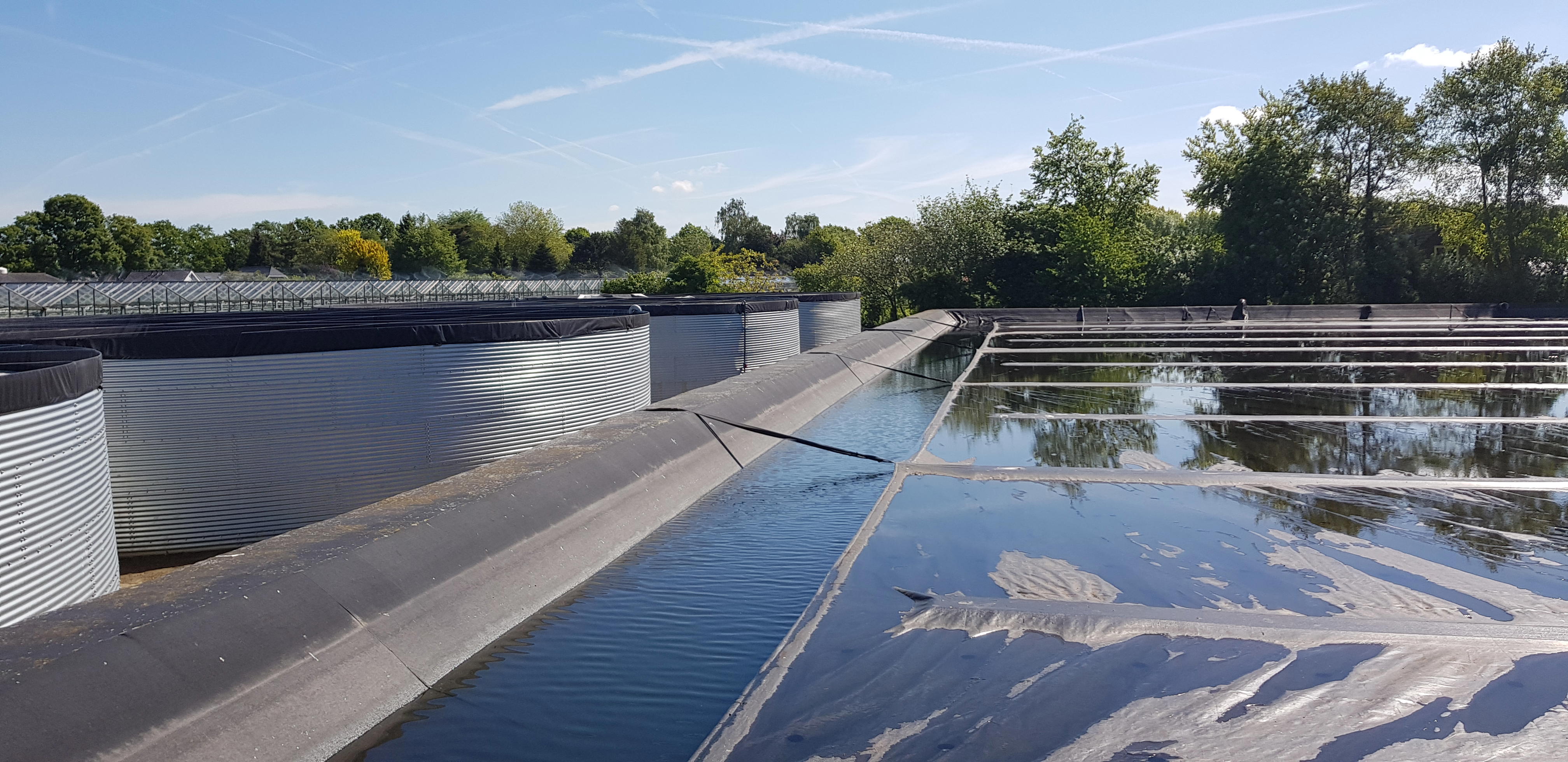
Microbiological Water Testing is suitable when water is used for:
-
Irrigation of fruit and vegetable crops
-
Crop protection applications
-
Washing or rinsing harvested produce
-
Switching to a new water source (e.g. surface water)
-
Routine monitoring to safeguard food safety
The testing is particularly important when water sources change, during periods of drought, when there are concerns about water quality, or when certification schemes such as GLOBALG.A.P. require regular microbiological monitoring.
Provide your feedback on BizChat

Parameters in the report
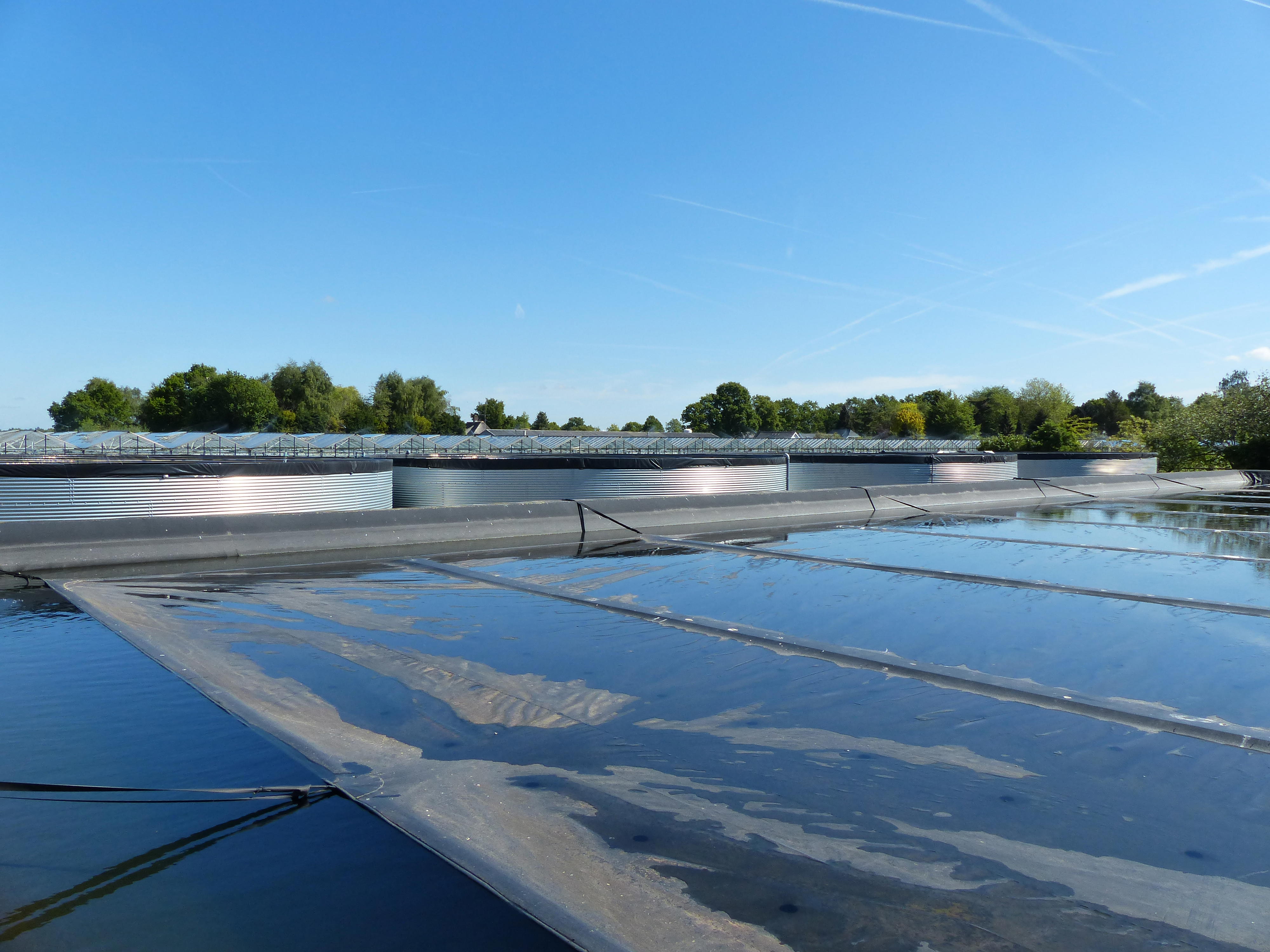
Eurofins includes the applicable guideline values for various microorganisms in the Microbiological Water Testing report. For E. coli, two reference frameworks are used: the GLOBALG.A.P. standard, which permits a maximum of 1,000 cfu per 100 ml of water, and the more stringent European Drinking Water Directive, which requires less than 1 cfu per 100 ml.
In addition, the guideline value for the aerobic plate count is less than 100 cfu/ml. For enterococci and coliform bacteria, the limit is less than 1 cfu per 100 ml of water.
Together, these parameters provide a clear assessment of the microbiological quality and hygiene status of irrigation water, helping growers determine whether the water is suitable for its intended use.
.
Download en lees meer!