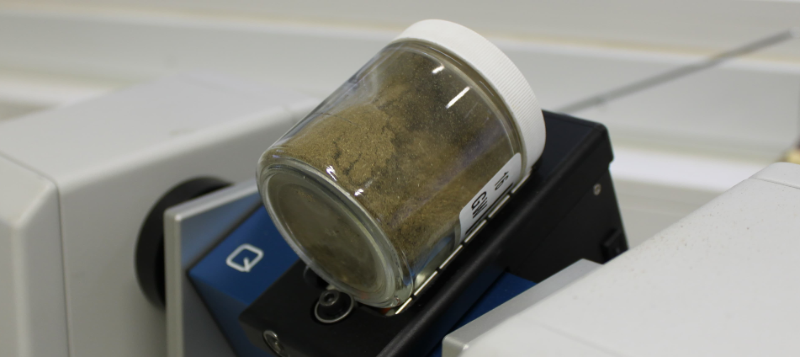
Ration Check
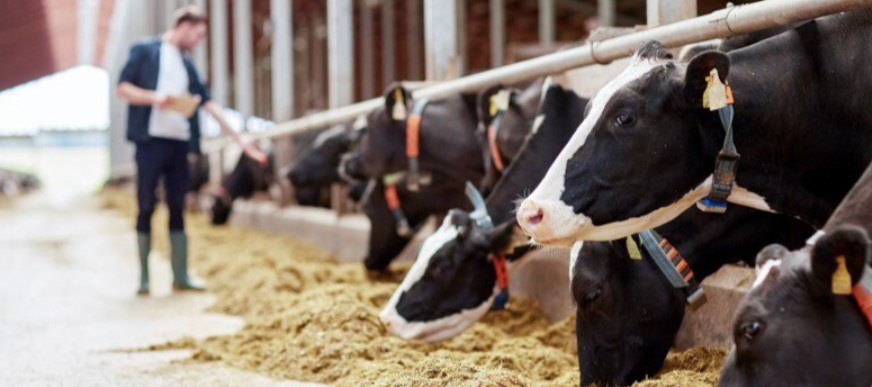
Understand, verify and optimise your mixed ration
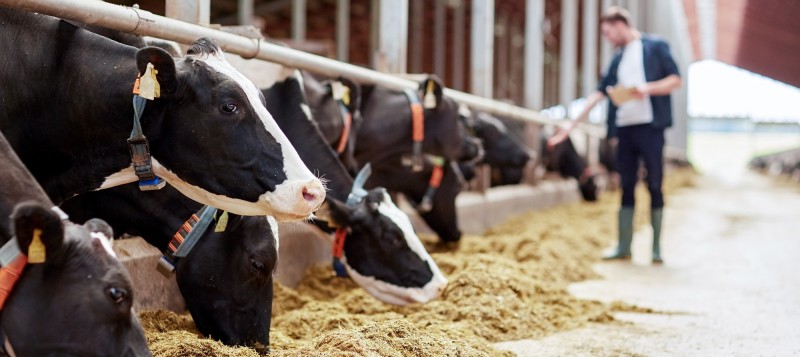
Does a calculated ration deliver the expected milk production? Ration Check analyses the mixed ration as it is offered, showing whether calculated values are present in practice. This provides timely insight into discrepancies that may affect performance or animal health.
What is Ration Check?
Ration Check analyses the composition of mixed rations and silages to assess whether the ration at the feed fence matches the formulated values. By analysing the ration itself, it helps explain unexpected milk production results or changes in animal performance.
Mineral components are analysed chemically. Feed values are not reported, as they cannot be calculated reliably from this type of analysis.
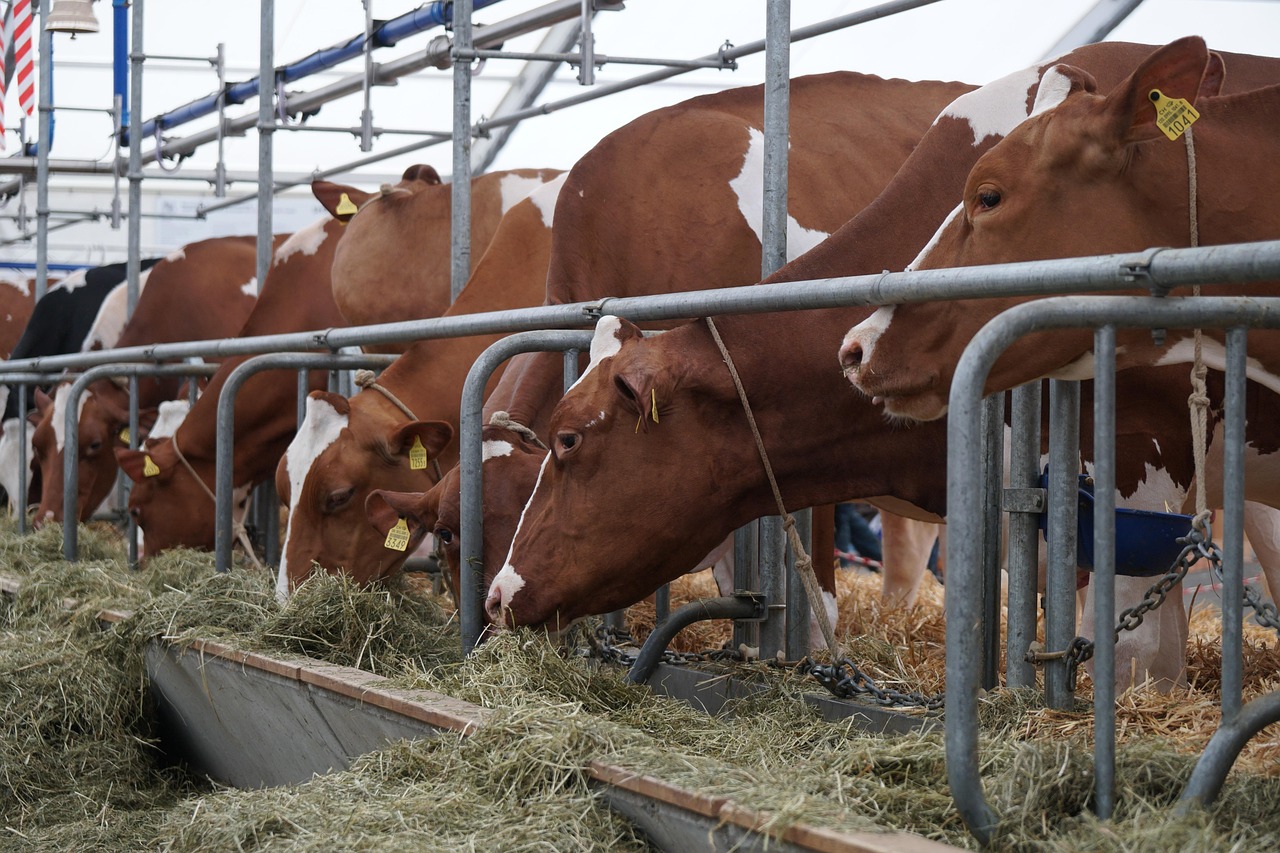
When to use Ration Check
Ration Check is useful when you want to:
- Verify whether the mixed ration matches calculated formulations
- Investigate unexpected changes in milk production or animal health
- Check ration consistency after adjustments in ingredients or mixing
- Gain insight into the actual nutritional composition at the feed fence
Sampling
The sample should be a good reflection of the total ration. You should therefore take a quantity of about 1-1.5 kg in one go. If the mixture is well mixed, this will give a good impression. Put this mixture directly into a plastic bag; do not collect the sample in a bucket first, as this can cause it to separate, as products such as soy will often remain at the bottom of the bucket. Squeeze all of the air out of the bag and manipulate it into a round, hard ball, then seal it tightly and ship the sample.
Parameters analysed in Ration Check
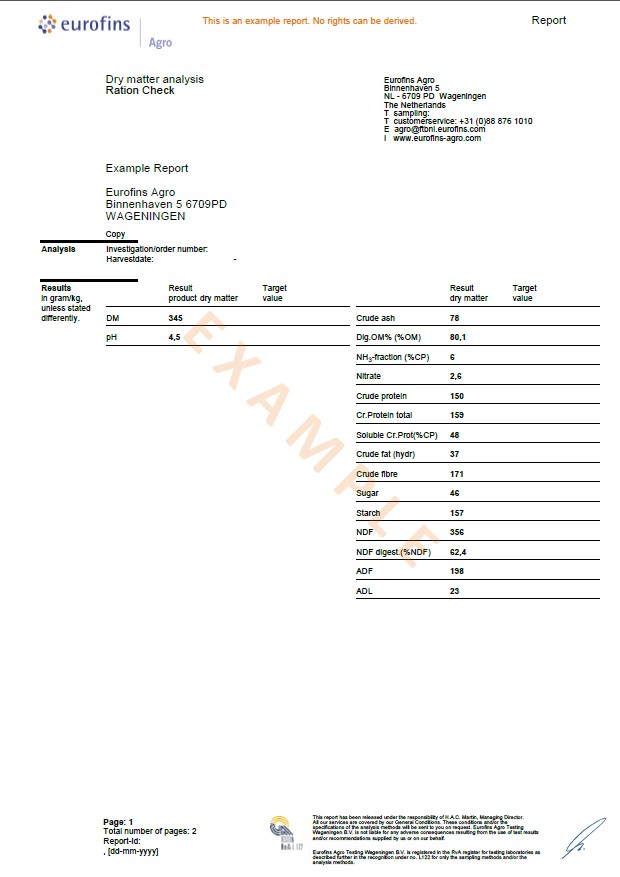
Ration Check analyses may include parameters such as dry matter, pH, organic matter digestibility (OMD), ammonia fraction, nitrate, crude protein, soluble crude protein, crude fat, crude fibre, sugar, starch, cell wall fractions (ADF, ADL, NDF, NDF digestibility) and minerals or trace elements as supplementary analyses.