Structure value
Definition
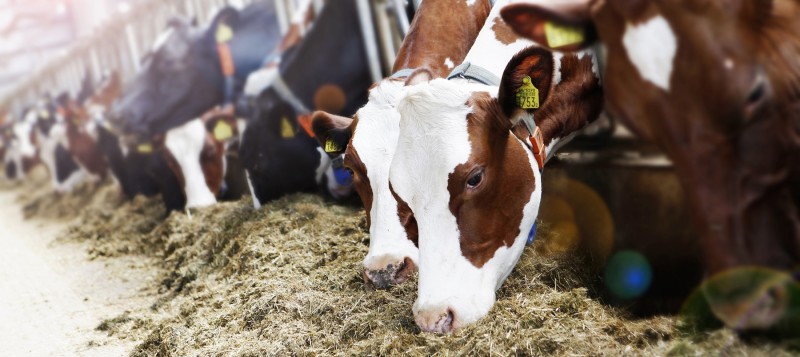
The structure value is a measure based on the crude fibre or Neutral Detergent Fibre (NDF) content of a feed product. It does not take chop length into account; it relates solely to the chemical composition. This value indicates the level of stimulation the feed provides to the rumen.
Importance
The structural value, expressed as 1.0, represents the structural requirement for a cow producing at least 25 kilograms of milk per day. Silage generally meets this requirement to a greater extent than concentrates. Like other key nutritional indicators, the structural value should always be considered in combination with other feed components.
Concentrated feed typically has a low structural value of about 0.3. To prevent rumen acidification, the total ration should average at least 1.0.
Factors influencing structure value
- Fertilisation: High nitrogen (N) fertilisation often reduces structural value.
- Mowing time: Late mowing leads to crop shedding and increases structural content.
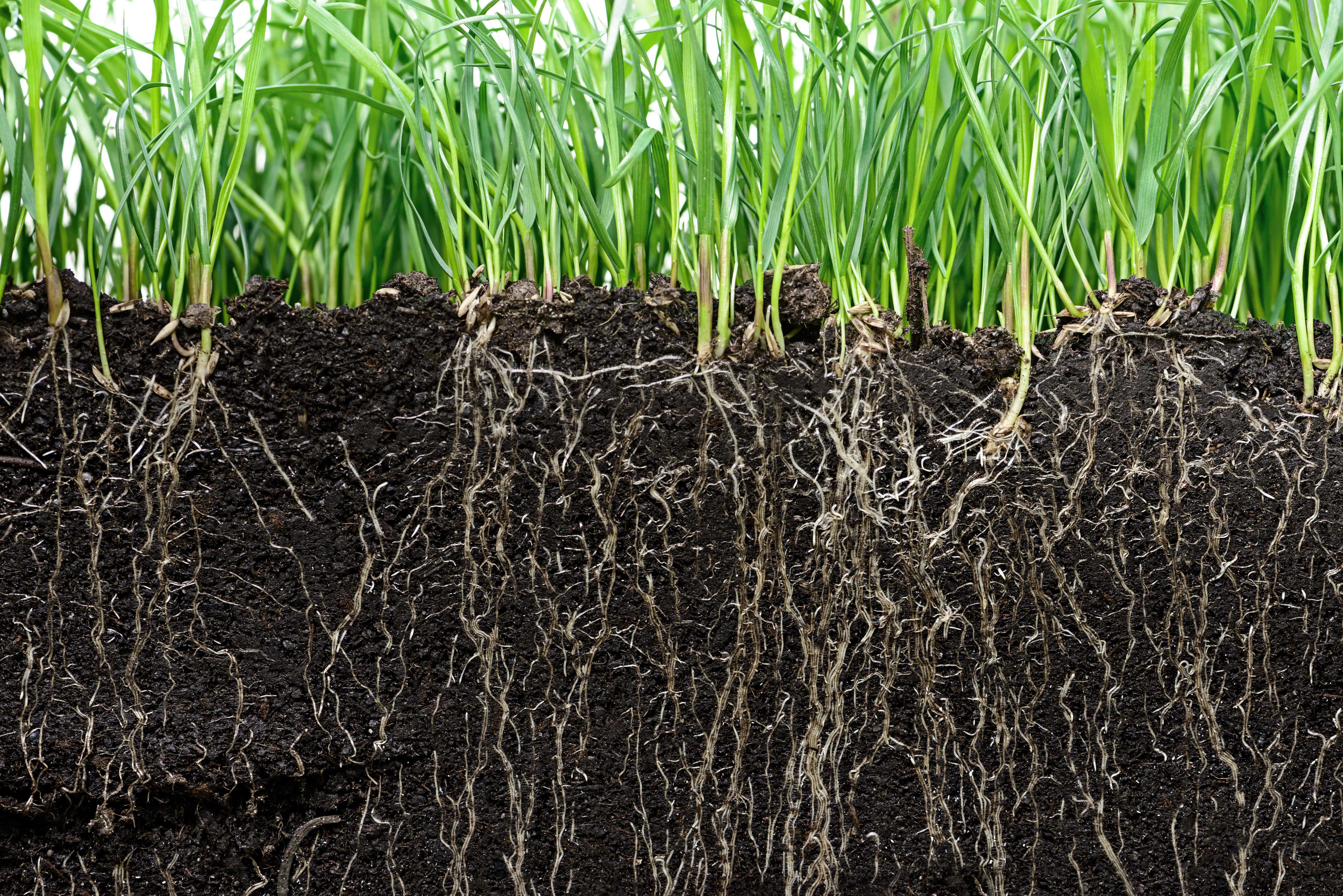
- Crop type: Forage crops generally provide higher structural value compared to concentrates.
Key considerations
- Maintain a balanced ration with an average structural value of 1.0.
- Avoid excessive concentrates with low structural value to prevent rumen acidosis.
- Adjust fertilisation and mowing practices to optimise structural content.