Cornell Net Carbohydrate and Protein System (CNCPS)
Definition
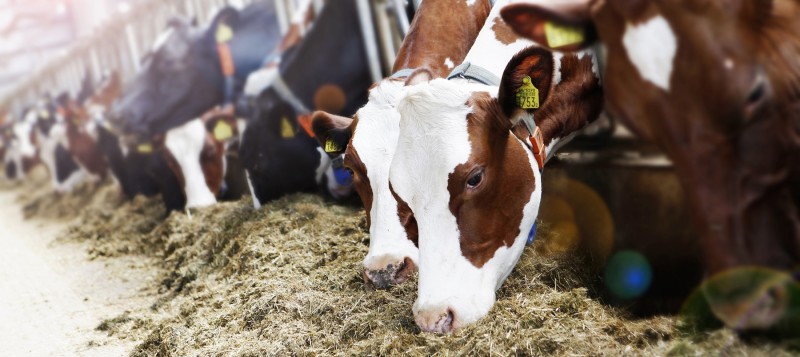
The CNCPS (Cornell Net Carbohydrate and Protein System) model is a dynamic, mechanistic model developed by researchers at Cornell University to predict the nutrient requirements and feed utilisation efficiency in ruminant animals, particularly dairy cattle. The model integrates biological, chemical, and physical processes that occur in the digestive system of ruminants, providing a comprehensive tool for assessing the nutritional needs of these animals.
Model description
CNCPS considers the complex interactions among dietary components, microbial activities in the rumen, and nutrient absorption in the digestive tract. It incorporates factors such as forage quality, dietary composition, and animal physiology to estimate nutrient supply and demand.
The system is heavily based on digestibility of different components such as NDF, protein, and carbohydrates. The NDF pool gives insight in the speed of digestibility and therefor shows multiple values on digested NDF in the rumen over time (from 0 to 240 hours). The protein and carbohydrates pool is also based on digestibility where different fractions are analysed on how fast they come available in the rumen.
Application and relevance
The CNCPS model has become a valuable resource in the field of ruminant nutrition, contributing to advancements in understanding nutrient utilisation and guiding the development of effective feeding programs for improved animal health and productivity.