The vital importance of water and comprehensive testing solutions

Water is our most precious resource, essential for life and the environment. Many countries have implemented stringent environmental laws and regulations to protect and manage water resources. Regulations encompass the entire water cycle, including drinking water, surface and groundwater, as well as process water, reused/recycled water and wastewater.

Eurofins Environment Testing laboratories understand the critical role that water plays in our lives and the environment. With the most extensive range of methodologies, processes, procedures and instruments, they are your trusted partners for all physical, chemical, and microbiological testing needs. Eurofins Environment Testing’s expertise ensures the highest quality test data so that water quality safeguards health and the environment.

Explore our services

116412355_xl

Accredited drinking water testing and expert support to ensure safety, compliance, and quality. Eurofins Environment Testing tests for the presence of contaminants like pesticides, lead, and legionella, and supports potable, re-use and bottled water compliance.

Expand_img

Drinking water tests according to PUB requirements of the drinking water and ensure public health and water quality.

Tests are conducted to ensure that the quality of treated water is well within the World Health Organisation (WHO) drinking water guidelines and US Environmental Public Health (Quality of Piped Drinking Water) regulations.

Click here for more information

water-treatment-sensors

Process and cooling water

Reliable microbiological and chemical water testing to ensure safety and compliance. Eurofins Environment Testing laboratories detect Legionella, E. coli, and Pseudomonas aeruginosa, and test for the concentration of nitrates, nitrites, and sodium to protect public health and water quality.

Expand_img

Cooling tower water testing in Singapore
Cooling tower water quality in Singapore is regulated by the National Environment Agency (NEA) under the Environmental Public Health (Cooling Towers and Water Fountains) Regulations.

These regulations require building owners and operators to implement proper maintenance practices, including regular cleaning, disinfection, and routine water testing to ensure cooling tower systems operate safely and hygienically.

 
Importance of cooling tower water management
Cooling towers are commonly used in commercial buildings and industrial facilities for comfort cooling and process cooling.

During operation, cooling towers release water aerosols together with exhaust air. If the system is not properly maintained or disinfected, these aerosols may contain undesirable chemicals or harmful bacteria such as Legionella.

Exposure to contaminated aerosols may pose potential health risks, including infections such as Legionellosis.

 
Mandatory testing requirements
Under NEA regulations, cooling tower water must undergo routine microbiological testing to monitor system hygiene and prevent bacterial growth.

The required testing frequency includes:

  • Monthly testing for Aerobic Plate Count (APC) / Total Plate Count (TPC)
  • Quarterly testing for Legionella

Regular monitoring helps ensure that cooling tower systems remain within acceptable microbial limits and comply with regulatory standards.

 
Cooling tower water testing services by Eurofins Environment Testing laboratories
Eurofins Environment Testing laboratories provide accredited sampling and laboratory testing services to support compliance with regulatory requirements.

Our services include:

  • Microbiological testing (APC / TPC and Legionella)
  • Professional on-site water sampling
  • Laboratory analysis and compliance reporting
  • Support for regulatory monitoring programmes

These services help building owners and facility managers maintain safe cooling tower water quality and meet NEA regulatory requirements.

8769367_xl

Ground and surface water

Comprehensive testing and monitoring of ground and surface water to protect ecosystems and public health. Eurofins Environment Testing laboratories assess chemical and ecological status, track contaminants like radon and disinfection byproducts, and support resource protection through biodiversity studies, water body modelling, and quality mapping.

Expand_img

Groundwater testing in Singapore
Groundwater sources in Singapore are subject to monitoring and testing to ensure that water quality is suitable for its intended use. These uses may include construction dewatering discharge, environmental monitoring, industrial applications, and potable use where applicable.

Testing is typically conducted in accordance with regulatory and guideline requirements established by authorities such as the National Environment Agency and the Public Utilities Board, along with applicable Singapore Standards and recognised international methods.

 
What Is groundwater?
Groundwater refers to water located beneath the earth’s surface within soil pores and rock formations, commonly known as aquifers.

Monitoring groundwater quality is essential to detect contamination, evaluate environmental impacts, and ensure that water discharged or used on-site complies with environmental and regulatory requirements.

 
Groundwater quality parameters
Groundwater testing typically involves the analysis of a wide range of parameters to assess water quality and potential contamination. These commonly include:

  • Physicochemical parameters (pH, turbidity, conductivity, dissolved solids)
  • Heavy metals
  • Nutrients (e.g., nitrogen and phosphorus compounds)
  • Hydrocarbons and organic contaminants
  • Microbiological indicators

These analyses help determine whether groundwater is suitable for its intended use and whether remediation or treatment is required.

 
Groundwater testing services by Eurofins Environment Testing laboratories
Eurofins Environment Testing laboratories provide comprehensive groundwater testing services covering chemical, physical, and microbiological parameters.

Testing is conducted in accordance with regulatory requirements and internationally recognised standards, including:

  • American Public Health Association (APHA) methods
  • United States Environmental Protection Agency (USEPA) methods
  • International Organization for Standardization (ISO) standards

Groundwater analysis is commonly performed as part of:

  • Environmental monitoring programmes
  • Site contamination assessments
  • Construction and infrastructure projects
  • Regulatory compliance requirements
sandfiltrationtankatwatertreatmentplant_300x200px

Wastewater

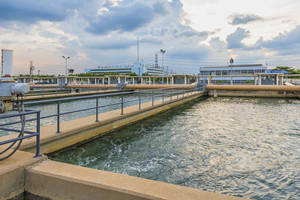
Advanced wastewater testing and monitoring services to support sustainable water management and regulatory compliance. Eurofins Environment Testing laboratories identify contaminants, assess nutrient levels and oxygen input, and support recycling of process water. Our services also include self-monitoring support, piping system testing, and assistance with approval documentation.

Expand_img

Wastewater testing is undertaken according to a number of regulations including:

  1. Testing in accordance to PUB requirements for discharge of trade effluent into the public sewers
  2. Testing in accordance to NEA allowable limits for trade effluent discharge to watercourse or controlled watercourse
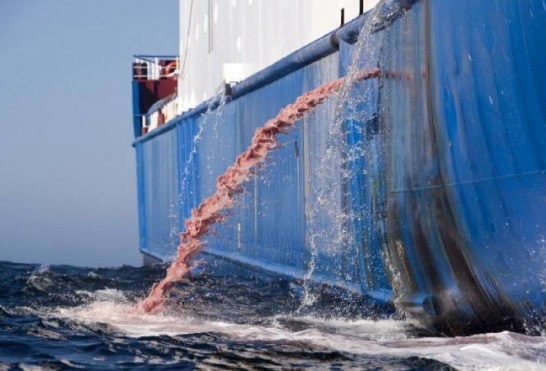
  3. Testing of offshore vessel discharge in accordance to MARPOL or IMO requirements

Samples tested includes

  • Onshore trade discharge to sewers
  • Discharge into watercourses
  • Grey water/black water
  • Oily water separator
  • Bilge water
  • Sewage treatment plant discharge
10443787_xl

Bathing water (pools and lakes)

Specialised testing for bathing waters to ensure safety, cleanliness, and compliance with health standards. Eurofins Environment Testing laboratories monitor for harmful pathogens and toxic blue-green algae to protect public health and aquatic environments.

Expand_img

Swimming pool regulations in Singapore
Swimming pools in Singapore are licensed and regulated by the National Environment Agency (NEA). This applies to pools located in sports complexes, condominiums, hotels, clubs, and educational institutions.

All licensed pools must comply with the Environmental Public Health (Swimming Pool) (Amendment) Regulations, which require proper maintenance, hygiene, and adherence to strict water quality standards to ensure public safety.

 
What are aquatic facilities?
Under SS 556, aquatic facilities refer to man-made bodies of water used for sport, recreation, or therapy.

These facilities include:

  • Swimming pools
  • Leisure pools
  • Wave pools
  • Wading pools
  • Water slides
  • Spa pools
  • Hydrotherapy or physiotherapy pools
  • Water playgrounds

These facilities must follow specific operational and water quality guidelines to maintain safe conditions for users.

 
Mandatory water testing requirements
According to NEA regulations, swimming pool water must undergo regular chemical and bacteriological testing to verify that it meets the prescribed standards.

Testing must be conducted at least once every month to ensure:

  • Safe chlorine and chemical levels
  • Proper water balance
  • Absence of harmful microorganisms
  • Compliance with regulatory water quality parameters 

Swimming pool water testing by Eurofins Environment Testing laboratories
Eurofins Environment Testing laboratories provide professional swimming pool water testing services in accordance with the Environmental Public Health (Swimming Pool) (Amendment) Regulations.

Our services include:

  • Chemical parameter testing
  • Bacteriological analysis
  • Regulatory compliance reporting
  • Professional water sampling services

All sampling and testing procedures are accredited under the Singapore Accreditation Council, ensuring reliable and compliant results.

water-fountain

Water features

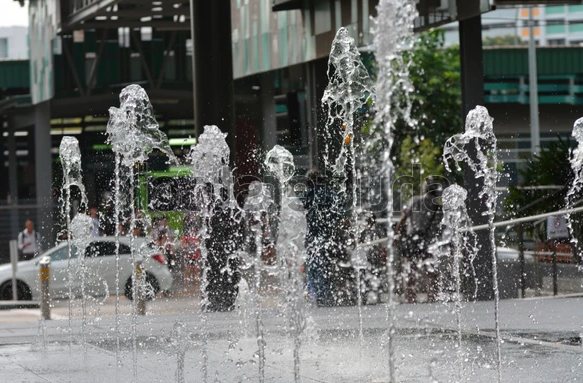
At Eurofins Singapore, we provide comprehensive sampling and laboratory testing services for water fountains and water features, including monthly Aerobic/Total Plate Count (APC/TPC) testing and quarterly Legionella analysis. By helping facility owners maintain safe and hygienic water systems, we play a critical role in safeguarding public health and ensuring regulatory compliance.

Expand_img

What are the NEA requirements for water fountains?
Under Singapore’s Environmental Public Health (Cooling Towers and Water Fountains Regulations), owners and operators of water fountains are required to implement proper maintenance programmes, including routine cleaning, disinfection, and microbiological testing. Monthly testing for Aerobic/Total Plate Count (APC/TPC) and quarterly testing for Legionella bacteria are mandatory to ensure water quality and public safety.

Why is Legionella testing important?
Poorly maintained water fountains can generate contaminated water aerosols that may contain Legionella bacteria and other undesirable microorganisms. Exposure to these aerosols can lead to serious respiratory illnesses such as Legionellosis. Regular testing helps identify contamination early and supports timely corrective actions to minimise health risks.

What testing services does Eurofins provide?
Eurofins Singapore offers professional sampling and laboratory testing services for water fountains and water features. Our services include:

  • Monthly Aerobic/Total Plate Count (APC/TPC) testing
  • Quarterly Legionella testing
  • Water sampling by trained professionals
  • Compliance support for NEA regulatory requirements
  • Accurate and timely laboratory reporting 

Who should conduct regular water fountain testing?
Regular testing is recommended for building owners, facility managers, commercial properties, shopping malls, healthcare facilities, educational institutions, hotels, and any premises operating decorative or public-access water fountains. Proper monitoring helps ensure compliance while protecting visitors, occupants, and staff.

How does regular monitoring help protect public health?
Routine monitoring and maintenance reduce the risk of bacterial contamination and aerosol exposure from water fountains. By ensuring that water systems remain clean and compliant, regular testing supports safer public environments and contributes to the prevention of waterborne health incidents.
196867762_xl

Mineral water

Specialised testing for mineral, spring, and drinking water to ensure safety, quality, and compliance. Eurofins Environment Testing laboratories test shelf life, packaging materials, nutritional gases, pesticide residues, and process hygiene to support the highest standards in water production and handling.

Expand_img

Drinking and mineral water testing in Singapore
Ensuring the safety and quality of drinking and mineral water is essential for regulatory compliance and consumer protection.

Eurofins Environment Testing laboratories provide comprehensive testing services for drinking water and natural mineral water to support compliance with the import requirements set by the Singapore Food Agency (SFA).

These services help importers verify that their products meet the required safety and quality standards before distribution in Singapore.

 
Import requirements for packaged drinking water
For the importation of packaged natural mineral water and drinking water, importers must submit the relevant documentation and test results to Singapore Food Agency (SFA).

Laboratory testing must be conducted in accordance with SFA’s import requirements to ensure the product meets regulatory standards before it is approved for sale in Singapore.

 
Health certificates for mineral water consignments
Health certificates can be issued to accompany mineral water consignments, confirming that the product has been tested and meets the required regulatory specifications for import and distribution.

This documentation supports smooth customs clearance and regulatory compliance.

 
Advanced testing capabilities
In addition to regulatory testing, Eurofins Environment Testing offers a range of advanced analytical services to support product quality, safety, and product development. These include:

  • Shelf life testing
  • Analysis of packaging materials
  • Analysis of nutritional gases
  • Determination of pesticide residues

Through the global network of Eurofins Environment Testing laboratories, clients can access specialised testing expertise to ensure their products meet international safety and quality standards.

ballast-water

Ballast water analysis

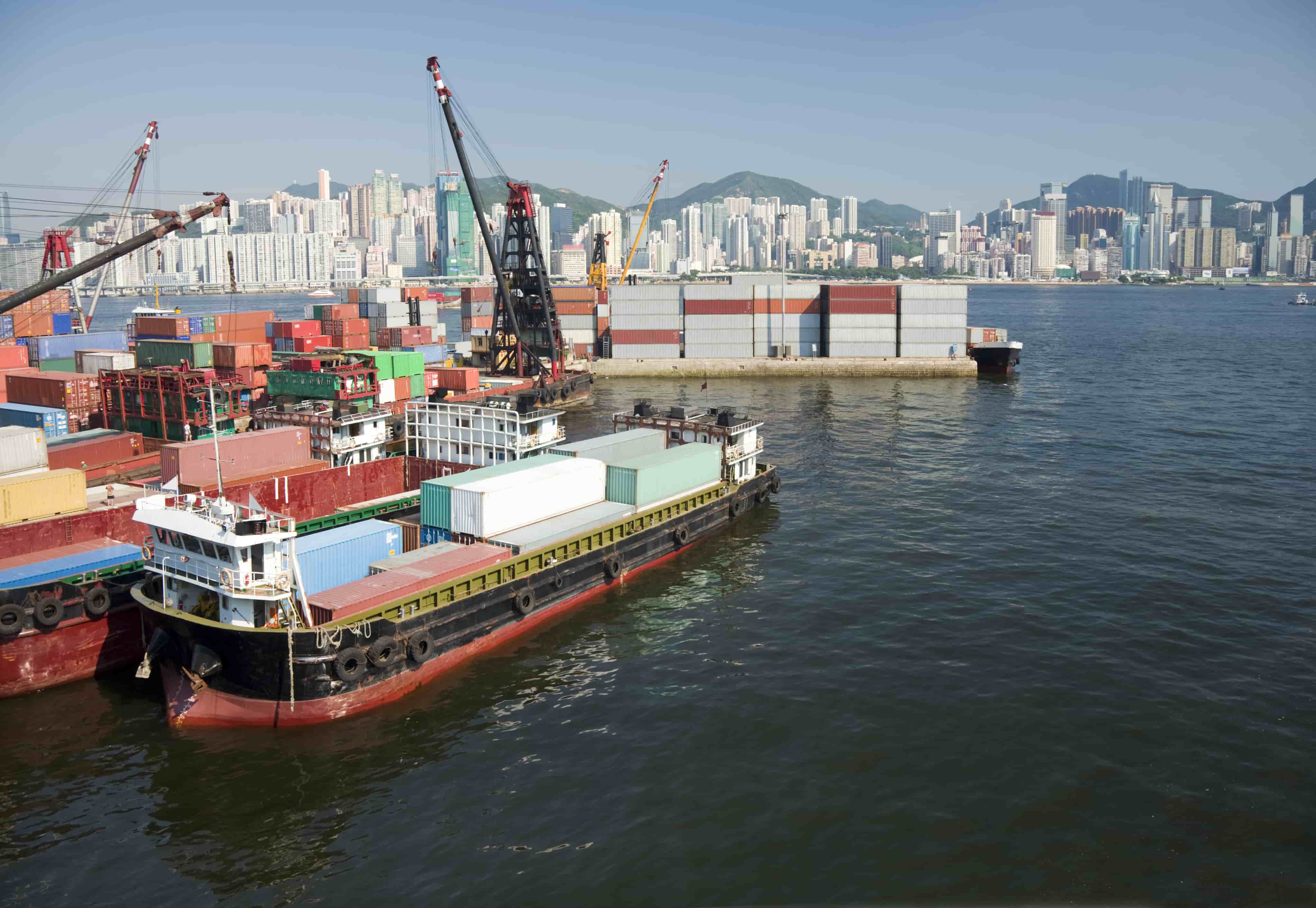
Reliable ballast water testing services to support ship owners, operators, and port authorities in meeting the requirements set by the International Maritime Organization. Eurofins Environment Testing accredited laboratories deliver accurate analysis to verify compliance with the D-2 Ballast Water Performance Standard, helping clients demonstrate regulatory compliance, support Port State Control inspections, and protect marine ecosystems from the spread of invasive aquatic species.

Expand_img

Ballast water testing and compliance
The International Maritime Organization (IMO) adopted the International Convention for the Control and Management of Ships' Ballast Water and Sediments to prevent the spread of harmful aquatic organisms through ships’ ballast water.

The convention entered into force on 8 September 2017, establishing global requirements for ballast water management and environmental protection.

 
IMO D-2 Ballast water performance standard
From 8 September 2024, all ships engaged in international voyages must comply with the D-2 Ballast Water Performance Standard, which requires vessels to install and operate approved Ballast Water Management Systems (BWMS).

In addition, a revised Ballast Water Record Book format, introduced on 1 February 2025, strengthens monitoring, reporting, and inspections carried out by port state authorities.

 
IMO D-2 Compliance analysis
Eurofins Environment Testing provides comprehensive testing services to verify compliance with the D-2 Ballast Water Performance Standard.

Biological analysis (Organism monitoring)

  • Viable count for zooplankton >50 µm (APHA 10200 G)
  • Viable count for phytoplankton 10–50 µm (APHA 10200 F)
  • Toxigenic Vibrio cholerae (O1 & O139) – qualitative (APHA 9260H)
  • Escherichia coli (APHA 9222 B & G)
  • Intestinal enterococci (USEPA 1600) 

VGP Biological analysis
Testing services are also available to support compliance with Vessel General Permit (VGP) monitoring requirements.

  • Heterotrophic plate count (APHA 9215B)
  • Escherichia coli (APHA 9222 B & H)
  • Enterococci (EPA 1600) 

VGP Chemical analysis
Eurofins Environment Testing provides comprehensive chemical monitoring for ballast water treatment systems, including:

  • Total Residual Oxidizers (TRO) as Cl₂ (SM 4500-Cl G)
  • Chlorine dioxide (Internal Probe Method)
  • Chlorite (EPA 300.1)
  • Chlorate (EPA 300.1)
  • Total Trihalomethanes (EPA 8260D)
  • Haloacetic Acids (EPA 552.3)

 
Why choose Eurofins Environment Testing for ballast water testing?
Eurofins Environment Testing offers reliable laboratory services to support maritime environmental compliance.

Key advantages include:

  • Accredited and globally recognised laboratories
  • Rapid turnaround time to support vessel operations
  • Specialised expertise in IMO D-2 and VGP regulatory requirements
  • Trusted partner for ship owners, operators, and port authorities
mr_100224_rueb-siebenlehn-auslaufbw

Lechate analysis

Leachate testing and environmental impact analysis to support regulatory compliance and environmental protection. Eurofins Environment Testing laboratories conduct leaching tests and detailed physico-chemical determinations to assess contaminant release and monitor water quality.

Expand_img

Leachate testing for waste disposal in Singapore
Sludge generated from wastewater treatment facilities and fly ash from waste incineration processes may contain toxic contaminants, including heavy metals. If not properly managed, these substances can pose potential risks to the environment.

To safeguard environmental quality, such wastes must be treated to comply with regulatory leachate standards set by the National Environment Agency (NEA) before they can be disposed of at approved landfill sites.

 
Regulatory requirements for waste disposal
Organisations seeking permission to dispose of sludge or incineration residues must submit an application for approval.

The application must be supported by analytical report demonstrating compliance with regulatory limits based on the Toxicity Characteristic Leaching Procedure (TCLP).

This test evaluates the potential for hazardous substances to leach from waste materials and contaminate soil or groundwater under landfill conditions.

 
Environmental impact assessment of leachates
Our laboratory provides comprehensive analytical services to evaluate the environmental impact of leachate from waste materials.

These analyses help organissations ensure that waste disposal practices meet regulatory requirements and environmental protection standards.

 
Leachate testing capabilities
Our laboratory capabilities include testing for a wide range of environmental parameters, including:

  • Physico-chemical analysis of leachate samples
  • Water piezometer testing for groundwater monitoring
  • Heavy metals analysis
  • Additional environmental parameters such as:
    • Biochemical Oxygen Demand (BOD)
    • Chemical Oxygen Demand (COD)
    • Phosphate
    • Nitrate
    • Sulfate
    • pH


Supporting environmental compliance
Through reliable laboratory testing and analytical expertise, Eurofins Environment Testing supports organisations in meeting regulatory requirements while providing accurate data for environmental monitoring, waste management, and compliance decision-making.

closeup-business-woman-hand-typing-laptop-keyboard-with-m

Have a question about our services or need technical support?

Submit your enquiry using the form link above and our specialists will respond as soon as possible.