
Have a question about our services or need technical support?
Submit your enquiry using the form link above and our specialists will respond as soon as possible.
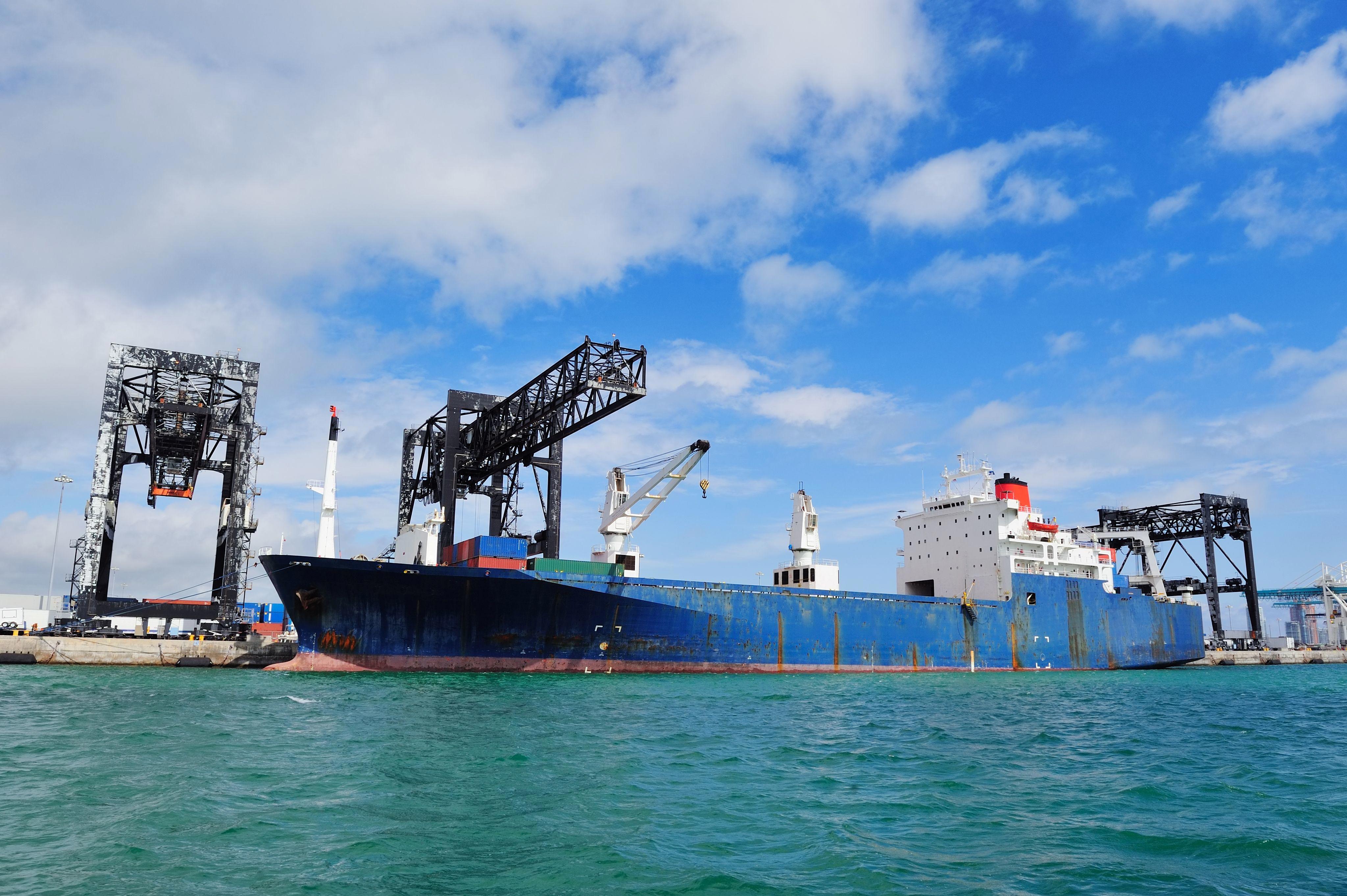
Comprehensive lubricant testing and oil condition monitoring to identify wear, contamination and lubricant degradation before they develop into costly equipment failures.
Eurofins Maritime Services provides lubricant and oil analysis for engines, drive trains, turbines, generators and other high-value machinery across marine, offshore, industrial and transportation applications. Our laboratory testing provides actionable information to support predictive maintenance, equipment reliability and lubricant condition management.
Lubricant oil condition monitoring involves the regular sampling and laboratory analysis of lubricating oils to assess both the condition of the lubricant and the condition of the equipment in which it is being used.
As machinery operates, lubricants can degrade or become contaminated. At the same time, equipment wear can introduce metals, particles and other materials into the oil.
Analysing these changes over time can provide early indications of developing equipment problems.
Oil condition monitoring can help identify:
Regular monitoring allows operators to establish trends rather than relying only on a single oil sample or scheduled maintenance interval.
Lubricants play a critical role in protecting engines and machinery from friction, heat and wear.
When lubricant condition deteriorates or abnormal wear begins to develop, continuing to operate equipment without investigation can increase the risk of component damage, unplanned downtime and expensive repairs.
Laboratory oil analysis provides data that can help maintenance teams:
Lubricant condition monitoring is particularly valuable for large marine engines, propulsion systems, generators and other critical shipboard machinery, where unexpected equipment failure can have significant operational consequences.
Eurofins Maritime Services supports lubricant quality and condition monitoring programmes for applications including:
Regular analysis can help operators monitor equipment condition and identify changes that may require further investigation or maintenance.
Eurofins Maritime Services offers a range of analytical tests to assess lubricant condition, contamination and equipment wear.
The testing programme can be tailored to the type of lubricant, equipment, operating conditions and monitoring objectives.
Viscosity testing
Viscosity is an important property of lubricating oil and can change as a result of lubricant degradation, contamination or other operating conditions.
Testing is available using methods including:
Monitoring viscosity over time can help identify significant changes in lubricant condition.
Insoluble testing
Insoluble material can accumulate in used lubricating oil during equipment operation.
Eurofins Maritime Services provides insoluble analysis including:
Changes in insoluble levels can provide additional information about lubricant condition and contamination.
Flash point testing
Flash point testing can be used to assess the temperature characteristics of lubricating oils.
Available methods include:
The applicable method depends on the lubricant and testing requirements.
TBN and TAN analysis
Total Base Number (TBN) and Total Acid Number (TAN) provide information about the acid-base characteristics of lubricating oils.
Eurofins Maritime Services offers TBN and TAN analysis using methods including:
Monitoring these parameters over time can help identify changes in lubricant condition and support decisions about oil management and maintenance.
Water content testing
Water contamination can affect lubricant performance and contribute to corrosion, lubricant degradation and equipment problems.
Eurofins Maritime Services provides water content analysis including:
Water testing can help identify moisture contamination and support investigation of changes in lubricant condition.
Wear metal analysis
Wear metals in lubricating oil can provide valuable information about the condition of machinery components.
Eurofins Maritime Services provides wear metals testing using ASTM D5185, together with PQ index analysis where applicable.
Monitoring wear metal concentrations and trends can help identify abnormal wear and provide an early indication that further equipment investigation may be required.
Contamination analysis
Contamination can affect lubricant performance and accelerate equipment wear.
Eurofins provides contamination analysis including:
Testing can be combined into an oil condition monitoring programme based on the equipment and operating environment.
Fibre count and oil cleanliness
Particle and fibre contamination can provide additional information about lubricant cleanliness and potential sources of contamination.
Eurofins Maritime Services offers:
These tests can complement routine lubricant condition monitoring where contamination control is an important part of equipment maintenance.
An effective lubricant monitoring programme involves more than testing an individual oil sample.
A typical programme includes:
1. Representative sampling
Oil samples are collected from the relevant equipment at appropriate sampling points.
2. Laboratory analysis
Samples are analysed for selected lubricant condition, contamination and wear parameters.
3. Trend monitoring
Results can be compared with previous samples to identify changes over time.
4. Maintenance assessment
Changes in lubricant properties or wear indicators can be investigated by the maintenance or engineering team.
5. Follow-up testing
Additional or more targeted analysis can be performed where abnormal results require further investigation.
This approach helps transform oil analysis from a single measurement into an ongoing condition monitoring programme.
Changes in lubricant properties can sometimes provide an early indication of developing equipment problems.
For example, an increase in wear metals may warrant further investigation of affected components, while changes in viscosity, water content or acid-base characteristics may indicate changes in lubricant or operating conditions.
Oil analysis does not replace equipment inspection or engineering assessment. Instead, it provides additional laboratory data that can help maintenance teams determine when further investigation may be appropriate.
In addition to used oil condition monitoring, Eurofins Maritime Services laboratories support lubricant manufacturers with lubricant quality control, formulation, research and development, and qualification testing.
Testing capabilities can therefore support both:
The appropriate analytical programme depends on the product, application and testing objective.
Eurofins Maritime Services provides laboratory analysis to support lubricant and machinery condition monitoring across marine, offshore and other high-value equipment applications.
Key advantages include:
Our lubricant testing services can support:
Have a question about our services or need technical support?
Submit your enquiry using the form link above and our specialists will respond as soon as possible.