
Have a question about our services or need technical support?
Submit your enquiry using the form link above and our specialists will respond as soon as possible.
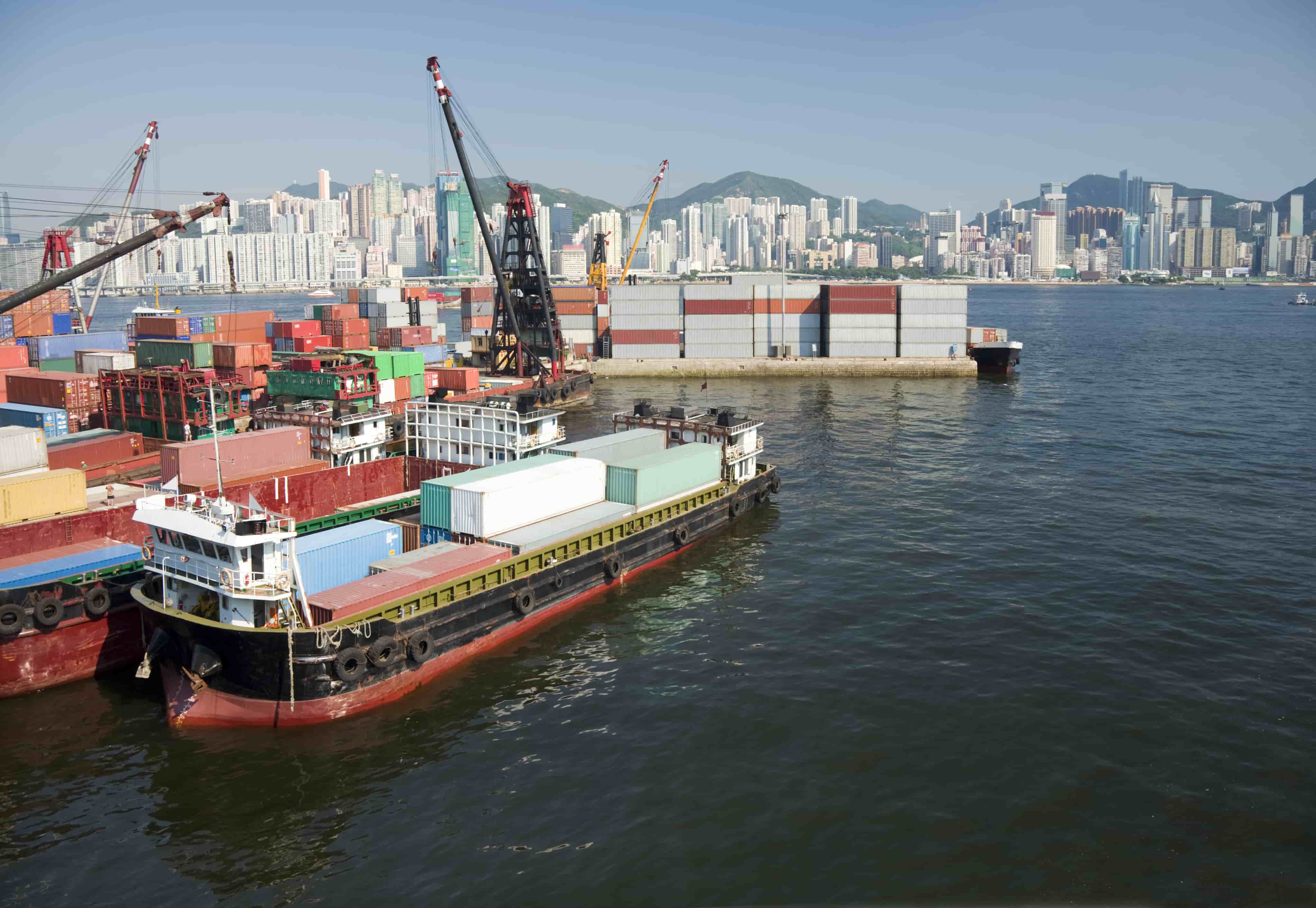
Make informed bunkering decisions with fast, independent fuel quality testing before and after fuel delivery.
Eurofins Maritime Services provides pre-bunkering and post-bunkering fuel analysis to help ship owners, operators and managers identify potential fuel quality issues, verify fuel specifications and reduce the risk of operational disruption, engine damage and costly fuel disputes.
With rapid laboratory analysis, specialist fuel testing capabilities and access to facilities in key ports, Eurofins supports timely decisions throughout the bunkering process.
Fuel quality problems can create significant operational and financial risks for vessel operators. Off-specification or contaminated fuel may affect engine performance, require additional treatment or, in severe cases, result in costly fuel removal and replacement.
Pre-bunkering analysis provides an independent assessment of fuel quality before it is delivered to the vessel.
By analysing representative samples from the bunker barge before pumping begins, vessel owners and managers can obtain information about the fuel quality and make informed decisions about accepting the delivery.
The pre-bunkering testing process typically involves:
This process gives the vessel operator an independent assessment of fuel quality before the fuel enters the vessel's fuel system.
Pre-bunkering analysis can help vessel operators:
Early testing can be particularly valuable when turnaround times are critical and a vessel has limited opportunity to replace or manage unsuitable fuel after delivery.
Turnaround time is a critical consideration for pre-bunkering testing because laboratory results may need to be available before the barge begins pumping.
Eurofins Maritime Services provides rapid fuel screening, with analysis typically completed within 6–12 hours for the selected screening parameters. A 24-hour turnaround time can be available for applicable pre-bunkering services.
Turnaround time can vary depending on the analytical scope, sample condition, logistics and whether additional testing is required.
Where a potential fuel specification issue is identified, additional analysis may be necessary before a final assessment can be provided.
Representative sampling is an essential part of bunker fuel quality assessment.
A non-representative sample may not accurately reflect the quality of the fuel being delivered, which can affect the interpretation of laboratory results.
Eurofins Maritime Services personnel follow appropriate sampling procedures when collecting bunker fuel samples. Clients can also be provided with relevant sampling procedures and pre-testing analysis protocols to support consistent sampling practices.
Pre-bunkering analysis can include selected chemical screening parameters used to identify potential fuel quality and contamination issues.
Depending on the fuel and testing programme, analysis can include:
The appropriate analytical scope depends on the fuel type, client specification, operational requirements and purpose of the testing.
Post-bunkering fuel analysis provides an additional quality assessment after fuel has been delivered to the vessel.
Routine analysis can be used to compare laboratory results against the client's fuel purchasing specification and applicable fuel quality requirements.
Post-bunkering testing can help establish an analytical record of the fuel delivered and identify potential quality concerns that may require further investigation.
Post-bunkering analysis can help vessel operators:
Fuel quality requirements are influenced by international maritime regulations, regional requirements and fuel specifications.
Fuel testing can support vessel operators in monitoring relevant requirements, including applicable IMO sulphur requirements and regional requirements such as those applying in Emission Control Areas (ECAs).
Testing can also be used alongside contractual fuel specifications to provide a more comprehensive assessment of delivered fuel quality.
The applicable requirements depend on the vessel, fuel type, voyage, operating area and regulations in force at the time of bunkering.
Fuel quality can affect the reliability and performance of marine engines and fuel systems.
Potential fuel quality issues may include:
Independent laboratory testing provides objective analytical data that can help operators identify potential issues and manage fuel quality risks.
Fuel quality disputes can arise when laboratory results differ from contractual specifications or when the delivered fuel does not perform as expected.
Independent testing can provide analytical evidence that supports discussions between vessel operators, fuel suppliers and other parties involved in the bunkering operation.
Pre-bunkering and post-bunkering testing can also provide complementary information:
Before bunkering:
Assess fuel quality before delivery and help inform the decision to accept the fuel.
After bunkering:
Verify the delivered fuel against the applicable specification and maintain a record of fuel quality.
Eurofins Maritime Services provides specialist analytical services to support marine fuel quality management.
Key advantages include:
Our bunker fuel testing services can support:
Have a question about our services or need technical support?
Submit your enquiry using the form link above and our specialists will respond as soon as possible.