
Have a question about our services or need technical support?
Submit your enquiry using the form link above and our specialists will respond as soon as possible.
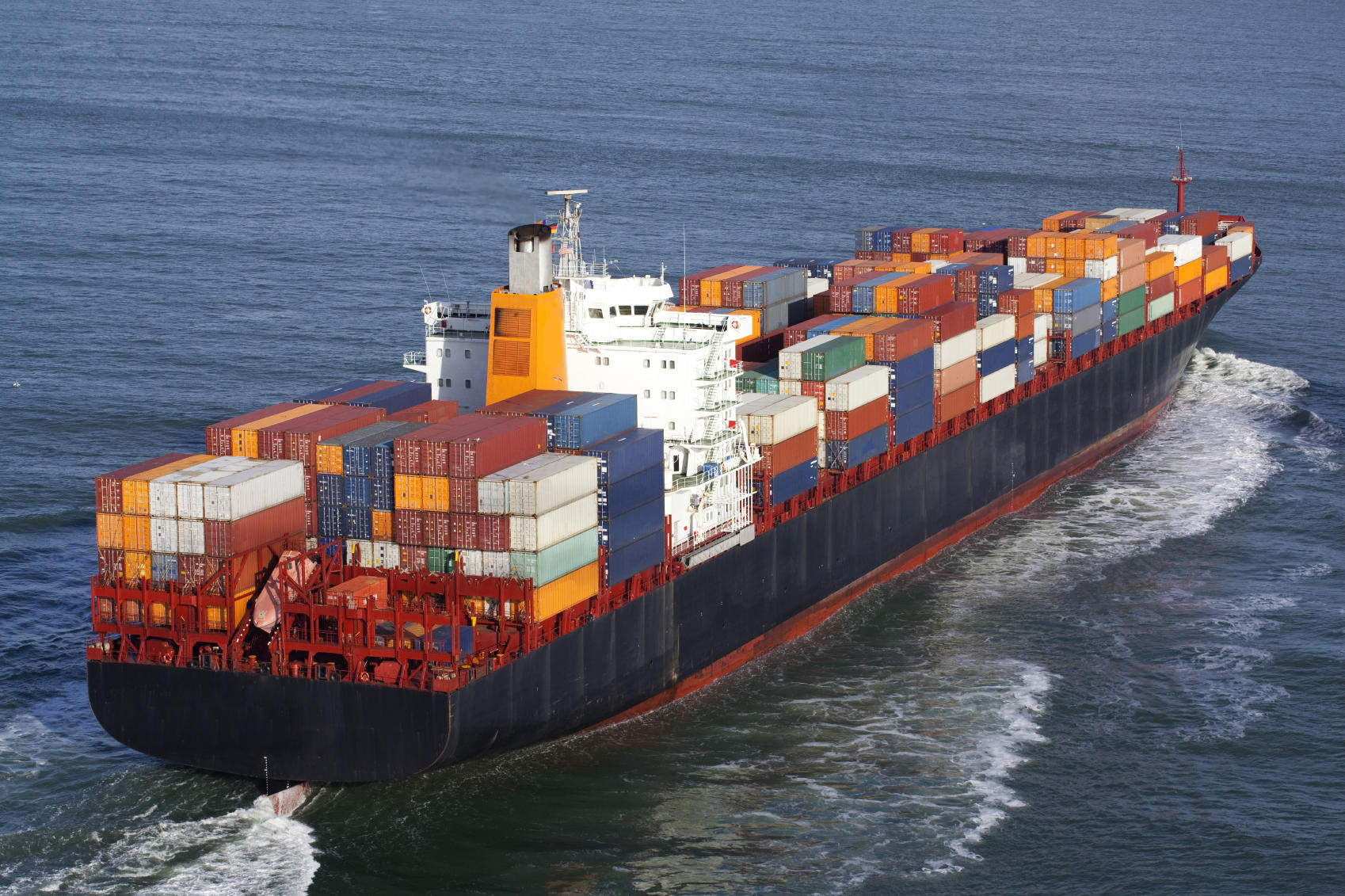
Reliable ballast water testing and analysis to help ship owners, vessel operators and port authorities verify compliance with international ballast water management requirements.
Eurofins Environment Testing provides biological and chemical analysis of ballast water to support IMO D-2 Ballast Water Performance Standard compliance and ballast water management system (BWMS) monitoring. Our laboratory testing helps maritime organisations assess treated ballast water, demonstrate compliance and support inspections while helping to prevent the transfer of invasive aquatic organisms and pathogens between marine environments.
Ships take on ballast water to maintain stability, trim and structural integrity during their operations. When discharged in another location, ballast water can introduce aquatic organisms and pathogens into environments where they are not native.
The International Maritime Organization (IMO) Ballast Water Management Convention (BWM Convention) was adopted to help prevent the spread of potentially harmful aquatic organisms and pathogens through ships' ballast water and sediments. The Convention entered into force internationally on 8 September 2017.
The Convention establishes requirements for ships to manage their ballast water and maintain appropriate documentation, including a Ballast Water Management Plan, Ballast Water Record Book and International Ballast Water Management Certificate.
The D-2 standard specifies limits for viable organisms and certain indicator microbes that may be discharged in ballast water.
The implementation schedule established under the BWM Convention required ships to transition to D-2 compliance, with all applicable ships required to meet the D-2 standard by 8 September 2024. In many cases, compliance is achieved using an approved Ballast Water Management System (BWMS) to treat ballast water before discharge.
Testing of treated ballast water can help verify whether a vessel's ballast water discharge meets the applicable biological performance requirements.
Eurofins Environment Testing provides laboratory analysis to support ballast water compliance programmes and verification of D-2 performance.
Our biological analysis includes testing for:
Biological analysis and organism monitoring
These analyses can provide data for assessing treated ballast water and supporting documentation associated with ballast water management and compliance activities.
Effective ballast water management depends on the performance of the vessel's Ballast Water Management System (BWMS) and appropriate monitoring of treated discharge.
Laboratory analysis can help vessel operators and other maritime stakeholders assess treatment performance and identify potential issues that may require investigation or corrective action.
Eurofins Environment Testing can support ballast water management programmes with analytical capabilities covering biological and chemical parameters.
Where applicable, Eurofins Environment Testing also provides testing to support Vessel General Permit (VGP) monitoring requirements.
VGP biological analysis
Available biological testing includes:
VGP chemical analysis
Chemical monitoring for ballast water treatment systems can include:
Testing requirements can vary according to the applicable regulatory framework, vessel, treatment technology and monitoring programme. Contact us to discuss the appropriate analytical scope for your application.
Ballast water testing provides laboratory data that can support environmental compliance and ballast water management activities.
For vessel owners and operators, testing can help to:
The IMO identifies Port State Control and compliance monitoring as important elements in the effective implementation of the Ballast Water Management Convention.
The Ballast Water Record Book (BWRB) is an important part of ballast water management and records ballast water operations, including uptake, treatment, circulation and discharge.
The IMO adopted amendments to the BWM Convention's Ballast Water Record Book format in 2023, with the revised format entering into force on 1 February 2025.
Laboratory testing can form part of a broader ballast water compliance programme alongside operational records, ship-specific ballast water management procedures and required certification.
Eurofins Environment Testing provides laboratory testing services to support maritime environmental compliance. Our analytical capabilities include recognised APHA, USEPA and other internationally established test methods, depending on the parameter and applicable testing requirements.
As part of the Eurofins global laboratory network, our teams support customers across a broad range of environmental and maritime testing needs.
Our ballast water analysis services can support a range of maritime stakeholders, including:
Have a question about our services or need technical support?
Submit your enquiry using the form link above and our specialists will respond as soon as possible.