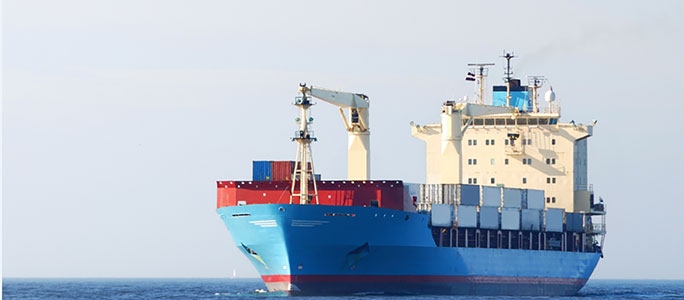
We provide comprehensive marine fuel testing, inspection, and survey services for petroleum and bunker products in accordance with ISO/IEC 17025, ASTM standards and industry specifications.

All services are backed by competitive pricing and detailed, professional reporting, reflecting our strong commitment to technical excellence and ethical business practices.

Explore our services

ballast-water

Ballast water analysis

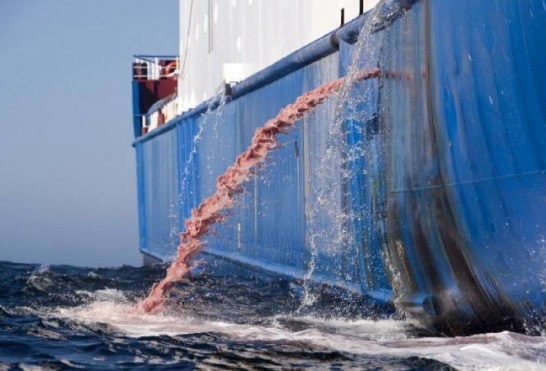
Reliable ballast water testing services to support ship owners, operators, and port authorities in meeting the requirements set by the International Maritime Organization (IMO). Eurofins Environment Testing accredited laboratories accredited laboratories deliver accurate analysis to verify compliance with the D-2 ballast water performance standard, helping clients demonstrate regulatory compliance, support Port State Control (PSC) inspections, and protect marine ecosystems from the spread of invasive aquatic species.

Expand_img

Ballast water testing and compliance
The International Maritime Organization (IMO) adopted the International Convention for the Control and Management of Ships' Ballast Water and Sediments to prevent the spread of harmful aquatic organisms through ships’ ballast water.

The convention entered into force on 8 September 2017, establishing global requirements for ballast water management and environmental protection.

 
IMO D-2 ballast water performance standard
From 8 September 2024, all ships engaged in international voyages must comply with the D-2 ballast water performance standard, which requires vessels to install and operate approved Ballast Water Management Systems (BWMS).

In addition, a revised Ballast Water Record Book (BWRB) format, introduced on 1 February 2025, strengthens monitoring, reporting, and inspections carried out by port state authorities.

 
IMO D-2 compliance analysis
Eurofins Environment Testing provides comprehensive testing services to verify compliance with the D-2 ballast water performance standard.

Biological analysis (organism monitoring)

  • Viable count for zooplankton >50 µm (APHA 10200 G)
  • Viable count for phytoplankton 10–50 µm (APHA 10200 F)
  • Toxigenic Vibrio cholerae (O1 & O139) – qualitative (APHA 9260H)
  • Escherichia coli (APHA 9222 B & G)
  • Intestinal enterococci (USEPA 1600) 

VGP biological analysis
Testing services are also available to support compliance with Vessel General Permit (VGP) monitoring requirements.

  • Heterotrophic plate count (APHA 9215B)
  • Escherichia coli (APHA 9222 B & H)
  • Enterococci (EPA 1600) 

VGP chemical analysis
Eurofins Environment Testing provides comprehensive chemical monitoring for ballast water treatment systems, including:

  • Total Residual Oxidizers (TRO) as Cl₂ (SM 4500-Cl G)
  • Chlorine dioxide (Internal Probe Method)
  • Chlorite (EPA 300.1)
  • Chlorate (EPA 300.1)
  • Total trihalomethanes (EPA 8260D)
  • Haloacetic acids (EPA 552.3)

 
Why choose Eurofins Environment Testing for ballast water testing?
Eurofins Environment Testing offers reliable laboratory services to support maritime environmental compliance.

Key advantages include:

  • Accredited and globally recognised laboratories
  • Rapid turnaround time to support vessel operations
  • Specialised expertise in IMO D-2 and VGP regulatory requirements
  • Trusted partner for ship owners, operators, and port authorities
offshore_drinking_water

Offshore drinking water

Testing of drinking water forms part of many water management strategies guaranteeing the quality of water supplies for ship crews.

Expand_img

Tests are done in accordance with WHO or US EPA parameters or individual flagged states according to individual quality and safety management system requirements. This ensures that the ship crew have access to clean drinking water.

We offer an extensive scope of water chemistry and water microbiology tests. Tests range from:

Microbiological tests

such as total viable counts, coliform, E coli, enterococci, legionella, pseudomonas

Chemical tests

such as alkalinity, pH, total hardness and elements such as calcium, sodium, iron, nickel, fluoride, nitrate and lead

Advanced tests

such as pesticides, radon testing are also performed by laboratories within the global Eurofins network

640009471e36e15f908bcbc9_sewage

Vessel wastewater testing

Specialised testing for vessel wastewater to ensure proper treatment, environmental protection, and compliance with maritime discharge regulations. Eurofins Environment Testing laboratories analyse key chemical and microbiological parameters to verify wastewater quality and support compliance with requirements from the Maritime and Port Authority of Singapore (MPA) and the National Environment Agency (NEA).

Expand_img

Vessel wastewater testing
Wastewater generated from vessels operating in Singapore must be properly managed and monitored to prevent marine pollution and ensure compliance with environmental regulations.

The discharge and treatment of vessel wastewater are regulated by authorities such as the Maritime and Port Authority of Singapore (MPA) and the National Environment Agency (NEA), in accordance with local regulations and applicable international maritime conventions.

 
Types of vessel wastewater
Under maritime environmental management guidelines, vessel wastewater typically includes:

  • Sewage from onboard sanitation systems
  • Greywater from sinks, showers, and galley operations
  • Effluent from onboard wastewater treatment systems

These waste streams may contain organic matter, nutrients, suspended solids, oil and grease, and microbiological contaminants.

 
Importance of wastewater monitoring
Regular monitoring and laboratory testing help verify that treated wastewater meets required discharge or disposal standards.

Effective monitoring helps vessel operators:

  • Ensure compliance with maritime environmental regulations
  • Prevent marine pollution
  • Protect marine ecosystems
  • Demonstrate responsible environmental management
     

Eurofins Environment Testing vessel wastewater testing services
Eurofins Environment Testing provides professional vessel wastewater testing services covering a comprehensive range of physicochemical and microbiological parameters.

Testing is conducted using recognised international methods such as ISO, APHA, and USEPA, in accordance with relevant regulatory requirements.

 
Parameters we test
Our vessel wastewater analysis may include:

Physicochemical parameters

  • Biochemical oxygen demand (BOD)
  • Chemical oxygen demand (COD)
  • Total suspended solids (TSS)
  • Oil and grease (O&G)
  • Nutrients

Microbiological parameters

  • Bacteriological indicators
  • Microbial contamination monitoring

 
Supporting compliance and marine protection
Through accurate testing and reliable laboratory analysis, Eurofins Environment Testing helps vessel operators verify that wastewater treatment systems are performing effectively and that discharged wastewater complies with environmental standards.
cargo-ship-miami-harbor-with-crane-blue-sky-sea

Pre/post-bunkering analysis

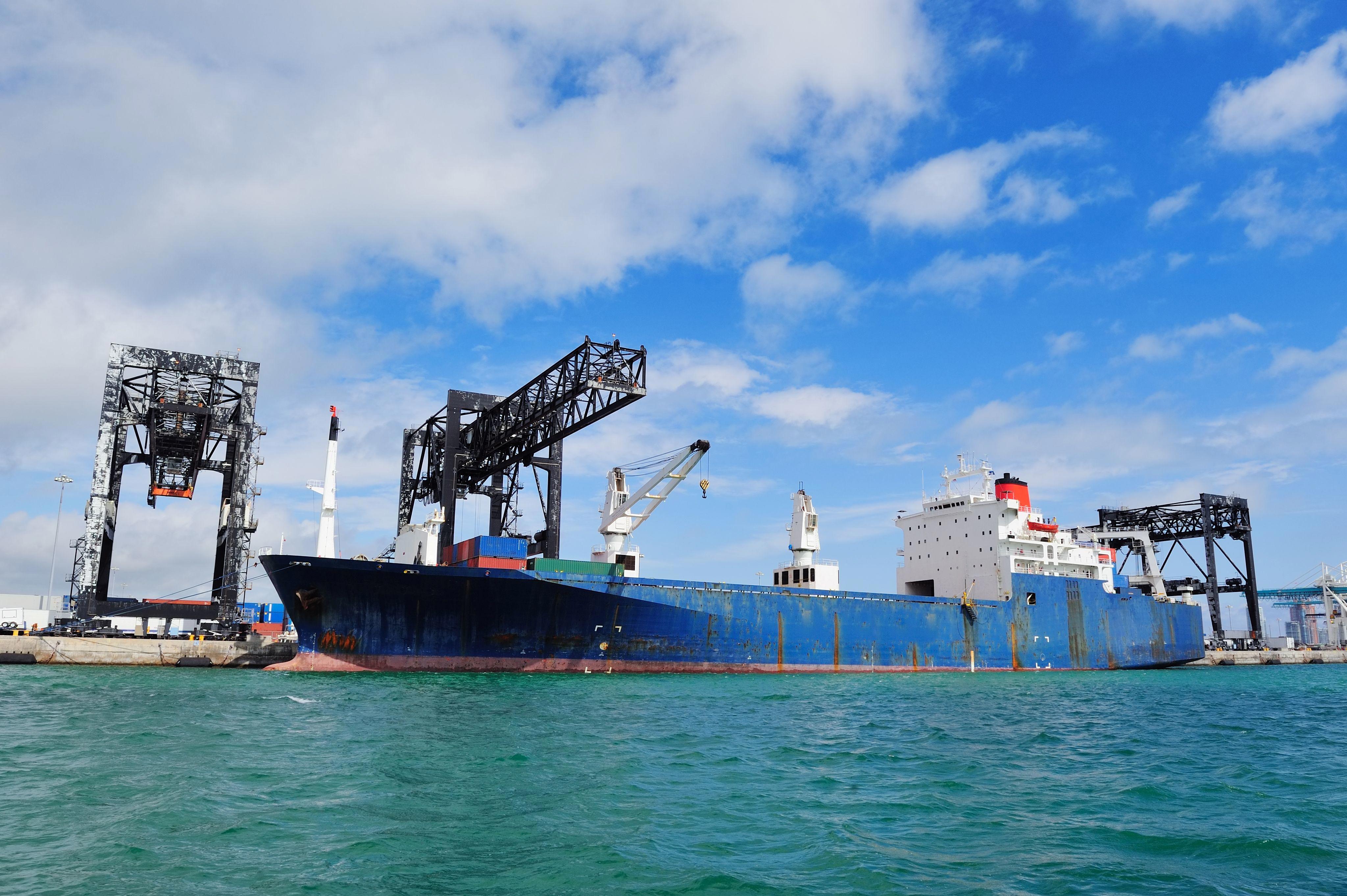
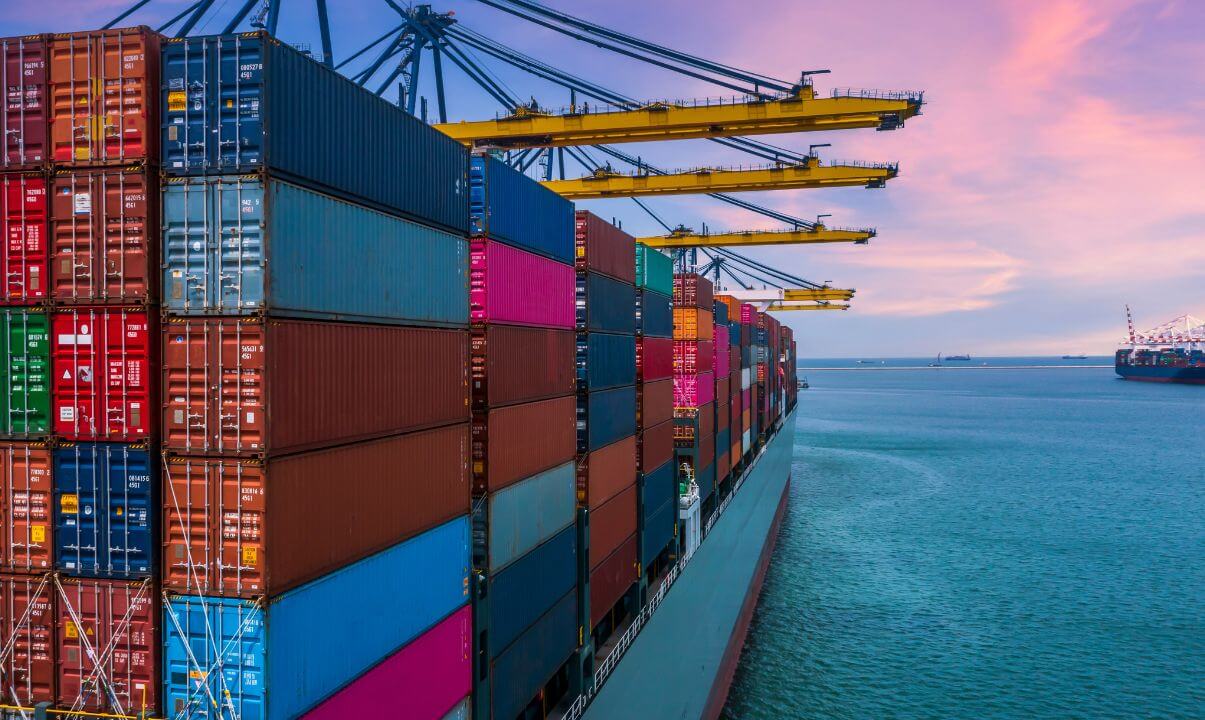
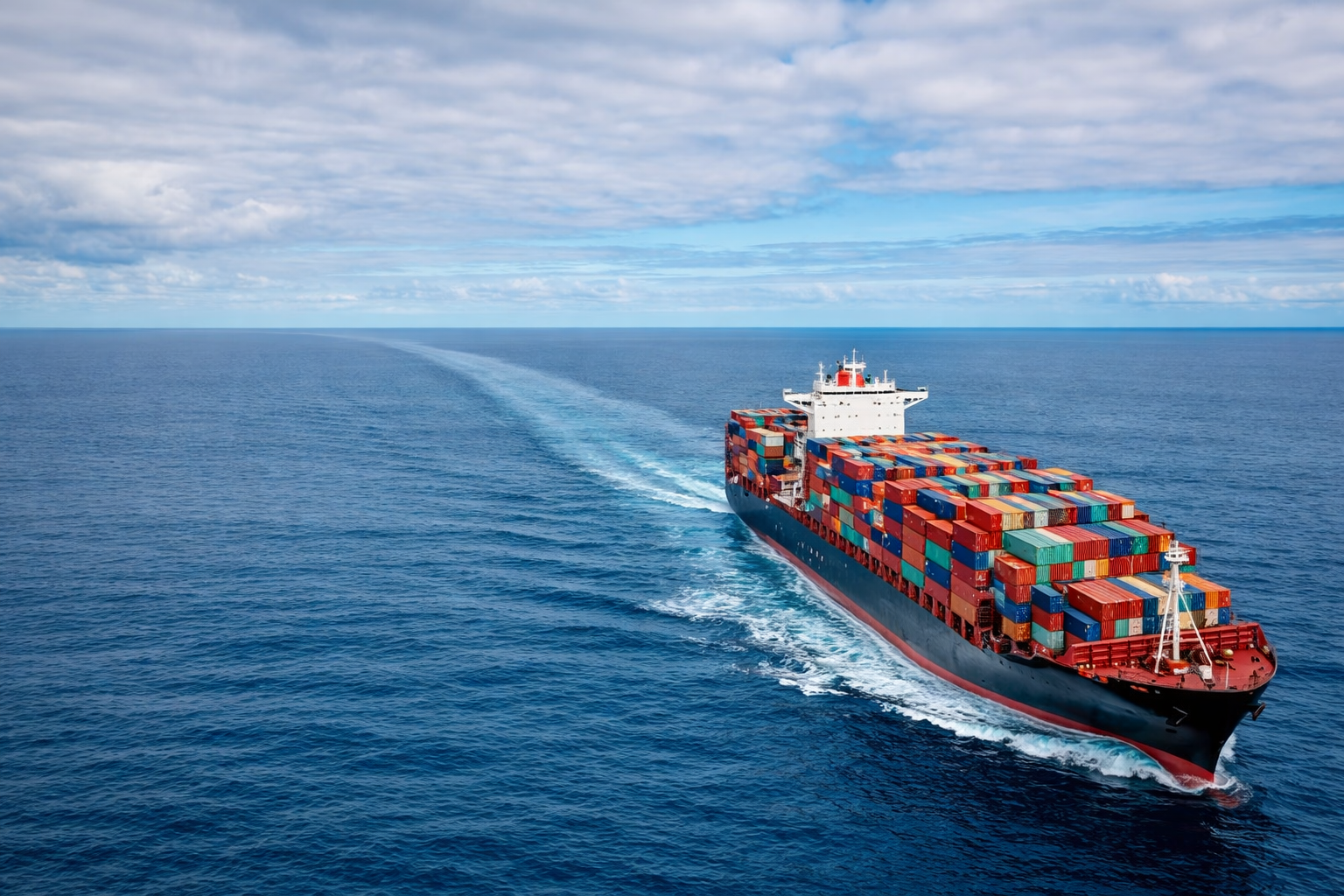
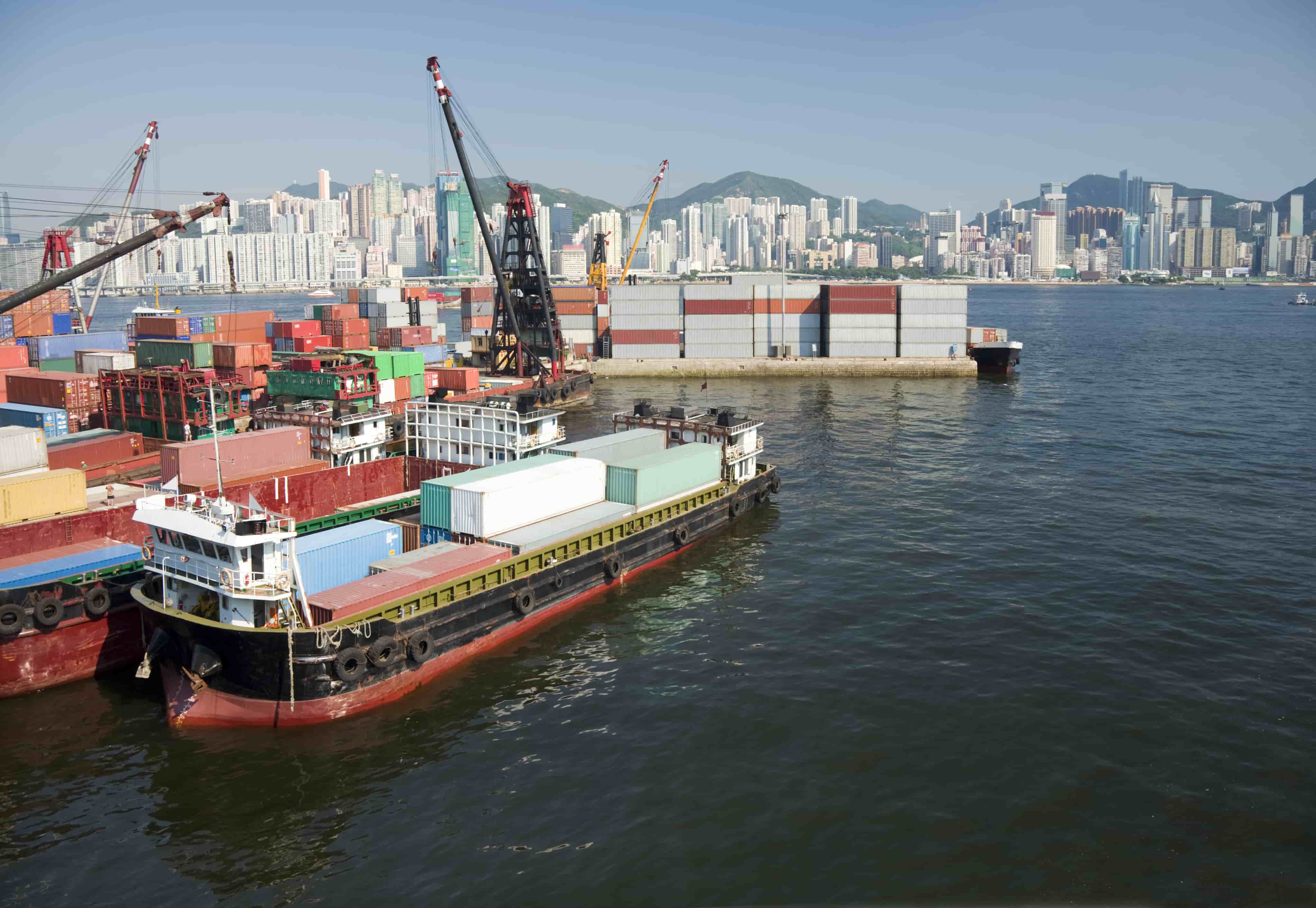
Make confident bunkering decisions with fast, independent fuel quality testing before and after delivery. Our pre-bunker analysis identifies off-spec fuels before they reach your vessel, while post-bunkering checks ensure compliance with industry standards and environmental regulations. With rapid turnaround times, advanced testing methods, and global port coverage, you can reduce operational risk, protect engine performance, and avoid costly disputes.

Expand_img

The challenge

Short turnaround times are the main challenges of pre and post-bunkering analysis. This analysis is required to avoid the off-specification of fuel on board a vessel and as such to reduce the risk of costly engine damage and expensive debunkering. A pre-bunker analysis provides an independent assessment of the quality of fuel before it arrives at the vessel.

How it works

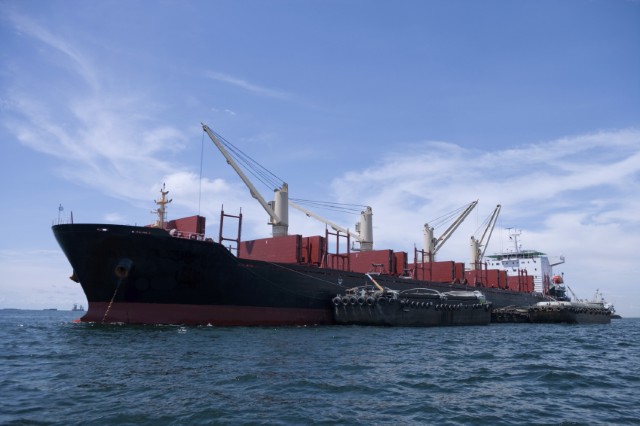
A pre-bunker analysis involves collecting representative samples from barge tanks and analysing them. This analysis is completed before the barge delivers the fuel to the vessel. This enables ship-owner or managers to make informed decisions about accepting fuel deliveries.

Key benefits

  • 24 hours turnaround time guaranteed.
  • Prevention of the delivery of a poor-quality fuel.
  • Local facilities in key ports facilitating fast turnaround of analysis. 
  • Eurofins Environment Testing personnel remain in contact with the fuel supplier to avoid or minimize potential delays.
  • Samples are transported to bunker fuel laboratory, where a volumetric composite of all tanks sampled is prepared.
  • Composite samples are tested by Eurofins Environment Testing to selected modified test methods for screening of problematic fuels.
  • Testing is prompt, between 6-12 hours. If fuel parameters fail to meet fuel specifications, additional testing and time may be required.
  • Results are reported to the vessel and/or client before the barge commences pumping bunker fuel to the vessel, so that the fuel quality designated for that client vessel is confirmed prior to bunkering.
  • In most cases, barges are instructed by the supplier to wait for Eurofins Environment Testing results before fuel pumping operations.
  • Sampling of the barge is a critical part of the operation, as non-representative samples affect quality. The Eurofins Environment Testing surveyor is instructed to follow proper sampling procedures. Copies of the sampling procedure and pre-testing analysis protocol are provided to the client.

Common parameters tested for the chemical nature of fuels

  • Compatibility / stability assessment by spot test
  • Asphaltene
  • Xylene equivalence
  • Toluene equivalence
  • Toluene insolubles
  • Chemical contaminants analysis by GCMS – ASTM D7845 

Post Bunkering Routine Analysis

As well as comparing fuel quality testing results against the client’s fuel purchasing specification, fuel quality checks can also be performed to assess compliance with IMO and EU regulatory requirements.

Eurofins Environment Testing introduced the concept of bunker fuel quality testing at a time when deteriorating bunker quality and escalating fuel prices were creating huge problems for ship operators. As a result of increased secondary refining, blending activities as well as potential contamination from sources within the supply chain, bunker quality still remains problematic and must be continuously monitored to ensure fuel meets specifications. In addition, stricter environmental regulations and the introduction of more Emission Control Areas (ECA) have necessitated increased use of low sulphur fuels and also distillates which possess their own unique quality issues.

cargo-container-ship

Lubricant oil condition monitoring

Comprehensive lubricant testing and oil condition monitoring that detects wear, contamination, and lubricant degradation before they become costly failures. Gain actionable insights to reduce unplanned downtime, optimise maintenance, and extend the life of your equipment.

Expand_img

Lubricant testing and oil condition monitoring provides quality and condition assessment of lubricants and oils used in engines and other expensive machinery and systems. Lubricant quality control testing includes lubricant analysis programmes for large, high-value engines and drive-trains, turbines, ships, trains, generators, offshore platforms, and other valuable machinery. 

Eurofins Maritime Services lubricant quality testing helps clients minimise costly down-time and repairs by alerting the customer to early, developing problems before they become big, expensive, and costly failures. Eurofins Maritime Services laboratories help lubricant manufacturers with quality control, formulation, R&D, and qualification testing.

Tests we offer

  • Viscosity – ASTM D445, ISO 3104
  • Insoluble – ASTM D893
  • Flashpoint – ASTM D92, D93, D3828, ISO 2592, ISO 2719, ISO 3680
  • TBN / TAN – ASTM D664, D974, D2896, ISO 6619, ISO 6618, ISO 3771
  • Water content – ASTM D6304
  • Wear metal tests:PQ index
  • Fibre count
  • Contamination – Glycol by FTIR
  • Oil cleanliness
  • Wear metals testing – ASTM D5185
cargo-ship-at-sea_1698x1131px_jpg

Bunker fuel testing and inspection services

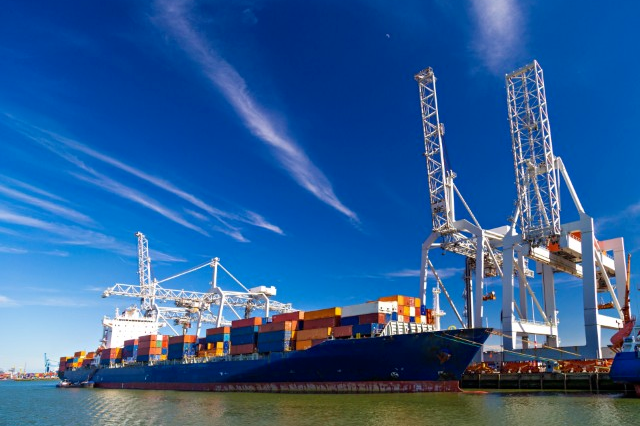
We provide ship bunker fuel inspection analysis and inspection services to help ensure the quality and quantity of delivered fuels during bunkering. Our testing protocols are in full conformity with ISO 8217 specifications.

Expand_img

ISO 8217 Bunker fuel testing and inspection services 

  • Bulk fuel oil cargo custody transfer
  • Inspection and testing
  • We are partnering with surveyors with strong presence locally and globally to carry out inspection jobs:
    • Vessel bunker quantity survey (BQS) in accordance with ISO 13739 & SS 600
    • Sampling documentation photographs, as requested or permitted
  • Bunker fuel quality testing to ISO 8217, MARPOL Annex VI
  • Fuel compatibility analysis
  • Forensic fuel oil Investigations of issues that arise 
lucion-ihm

Inventory of Hazardous Materials (IHM) services

Ensure compliance with international ship recycling regulations through professional Inventory of Hazardous Materials (IHM) testing and inspection services.

Eurofins Environment Testing provides reliable hazardous materials testing, inspection, and documentation services to support ship owners, shipbuilders, and recycling facilities in meeting global regulatory requirements.

Compliant with EU Ship Recycling Regulation (EU SRR) and the Hong Kong Convention.

Expand_img

Why IHM is important
Ships may contain hazardous substances such as asbestos, heavy metals, ozone-depleting substances, and other chemicals that can pose risks to human health and the environment.

The Inventory of Hazardous Materials (IHM) provides a detailed record of these materials throughout the lifecycle of a vessel—from construction and operation to final recycling.

A properly maintained IHM helps organisations:

  • Ensure regulatory compliance
  • Protect crew health and safety
  • Minimise environmental risks
  • Enable safe and responsible ship recycling
  • Reduce potential legal and operational liabilities 

Regulatory requirements
EU ship recycling regulation (EU SRR)
The EU Ship Recycling Regulation requires ship owners and operators to maintain documentation of hazardous materials onboard ships.

Since 31 December 2018, all new ships of 500 GT and above flying an EU member state flag must:

  • Carry a valid Inventory of Hazardous Materials (IHM) certificate
  • Maintain records of hazardous substances onboard
  • Be recycled only at EU-approved ship recycling facilities

The regulation applies to:

  • Newly built vessels
  • Ships currently in operation
  • Ships preparing for recycling 

Our IHM testing & inspection services
Eurofins Environment Testing provides comprehensive laboratory testing and inspection services to support IHM preparation and compliance.

Our laboratory utilises advanced analytical instrumentation to detect and quantify hazardous substances in ship materials, equipment, and components.

We are also approved by the China Classification Society (CCS) for hazardous materials testing.

 
Hazardous materials we test
Part A – Hazardous materials (mandatory)

  • Asbestos
  • Polychlorinated biphenyls (PCBs)
  • Ozone depleting substances (CFCs, HCFCs, Halons, etc.)
  • Organotin compounds in anti-fouling systems
  • Perfluorooctane sulfonic acid (PFOS) 

Part B – Additional hazardous materials

  • Cadmium and compounds
  • Hexavalent chromium and compounds
  • Lead and compounds
  • Mercury and compounds
  • Polybrominated biphenyls (PBBs)
  • Polybrominated diphenyl ethers (PBDEs)
  • Polychlorinated naphthalenes
  • Radioactive substances
  • Short-chain chlorinated paraffins
  • Brominated flame retardants (HBCDD) 

Supporting safe & sustainable ship recycling
Accurate identification and documentation of hazardous materials help ship owners and operators:

  • Improve operational safety
  • Reduce environmental impact
  • Ensure compliance with international maritime regulations
  • Enable safer ship dismantling and recycling processes

Eurofins Environment Testing supports the maritime industry with reliable hazardous material testing and IHM compliance services. Eurofins Environment Testing is also approved by China Classification Society for testing of hazardous materials. Please refer to the certificate of approval by clicking here.
 

2

Cargo inspection services

Eurofins Environment Testing offers a wide range of inspection, testing, control, calibration and other special services to the trade of commodities – Oil & Gas and Agriculture & Food Industry.

Expand_img

Comprehensive inspection services

We provide oversight during critical operational phases to ensure your interests are protected at every stage of the supply chain:

  • Loading & discharge: Monitoring during transportation to prevent contamination or loss.
  • Custody transfer: Accurate verification during the handover of goods.
  • Storage operations: Periodic quality checks and inventory monitoring.

Accuracy you can trust

Our surveyors utilise industry-leading sampling techniques to provide independent measurements and objective assurance. We ensure your product meets exact specifications, backed by rigorous adherence to global standards:

  • ASTM (American Society for Testing and Materials)
  • EN (European Standards)
  • IP (Energy Institute)
  • ISO and other relevant national/international certifications.

Technical excellence & laboratory capabilities

Our laboratories are the backbone of our quality assurance promise. Staffed by master chemists, expert technicians, and seasoned laboratory managers, we bring a wealth of cross-industry knowledge to every analysis.

We leverage advanced analytical instrumentation to provide a full suite of testing for vegetable oils and biofuels, including:

  • Fatty acid methyl esters (FAME)
  • Used cooking oils (UCO)
  • Oleo chemicals
  • Diverse feedstock materials

Comprehensive testing services

From routine quality control to complex forensic analysis, we offer scalable solutions tailored to your specific operational requirements. Whether you require a full-scale laboratory programme or individual sample testing, our services include:

  • Fuel oil testing
  • Distillate testing
  • Crude oil & feedstock testing
  • Vegetable oil & biofuel feedstock
  • Environmental testing
  • Consultancy engagement with our highly trained analytical service manager
closeup-business-woman-hand-typing-laptop-keyboard-with-m

Have a question about our services or need technical support?

Submit your enquiry using the form link above and our specialists will respond as soon as possible.

Our capabilities

Find the right test for your needs below

chemical-contaminant3
other-contaminants3
contamination-screening3
microbiological3
dispersants3