Environmental Distribution
Microplastics are now found across virtually all environmental compartments:
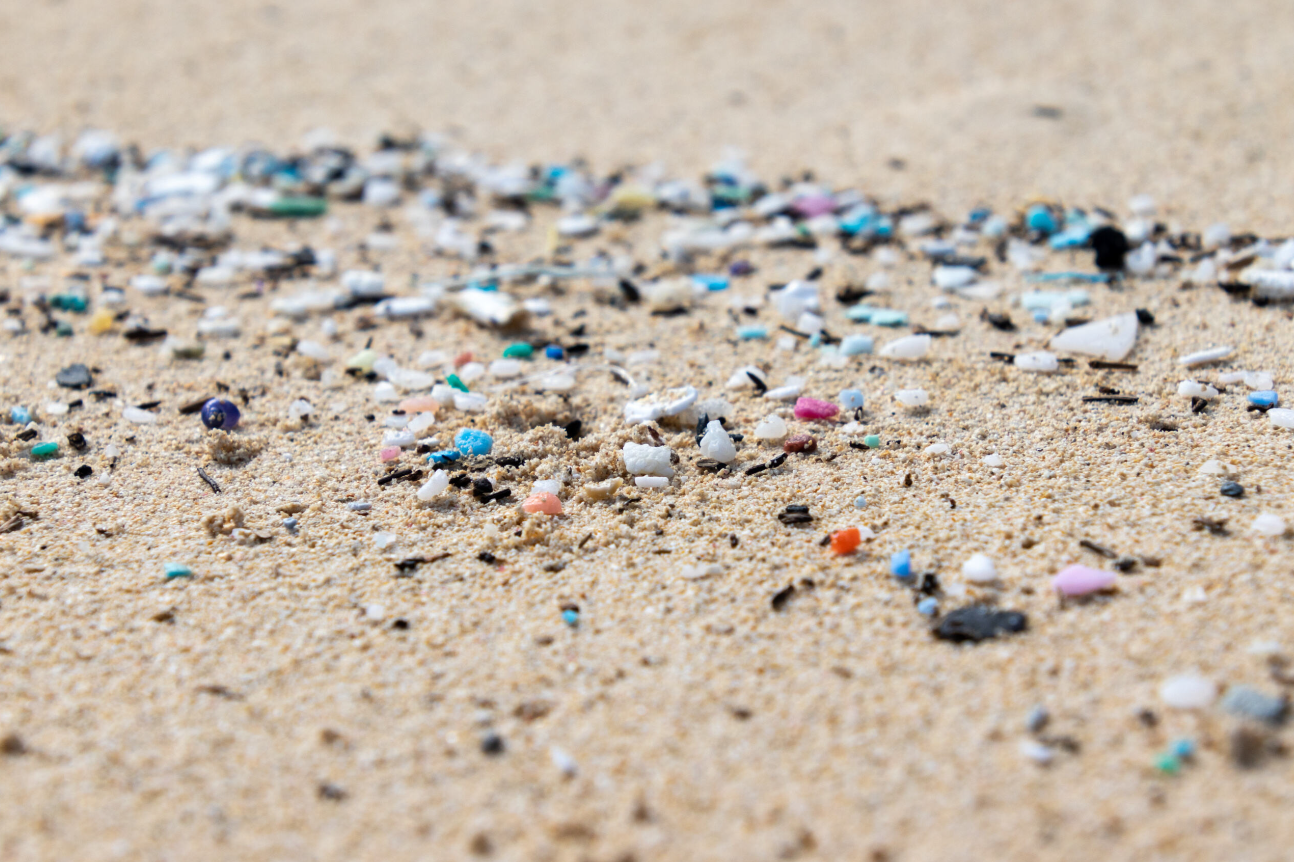
Microplastics, plastic particles typically smaller than 5 millimeters, have emerged as a pervasive and persistent pollutant in the environment. While plastics themselves have transformed modern life through their versatility, durability, and low cost, these same properties have created long-term environmental challenges.
As larger plastic items degrade, they fragment into smaller pieces, eventually forming microplastics. In addition, some microplastics are manufactured intentionally for use in products such as cosmetics and synthetic textiles.
Microplastics are now found across virtually all environmental compartments:
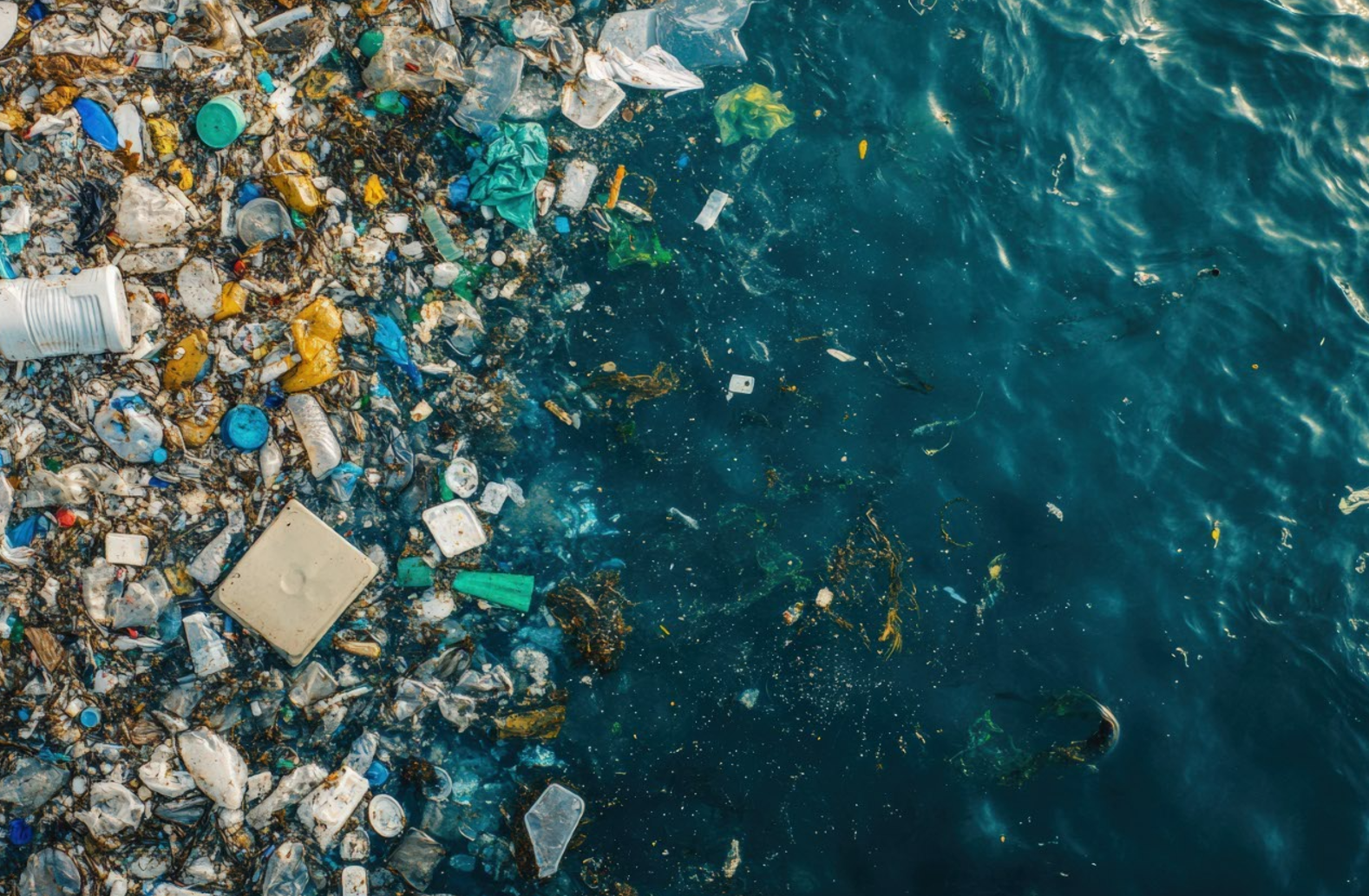
Oceans and sediments act as major sinks for plastic waste. They have even been found to accumulate in deep-sea environments.
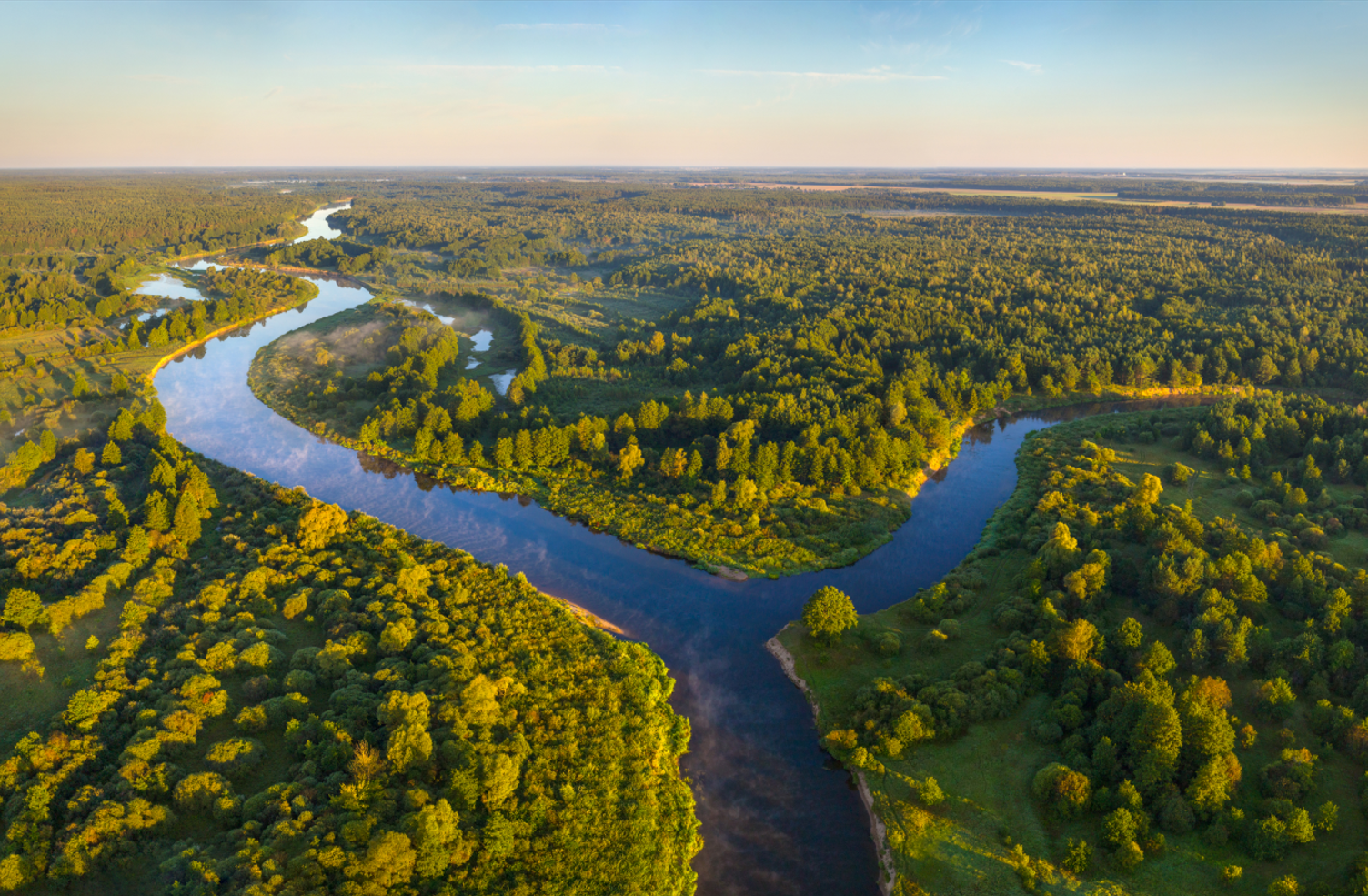
Rivers and lakes serve both as transport pathways and reservoirs. Especially in industrial areas, increasing amounts of microplastics are being found.
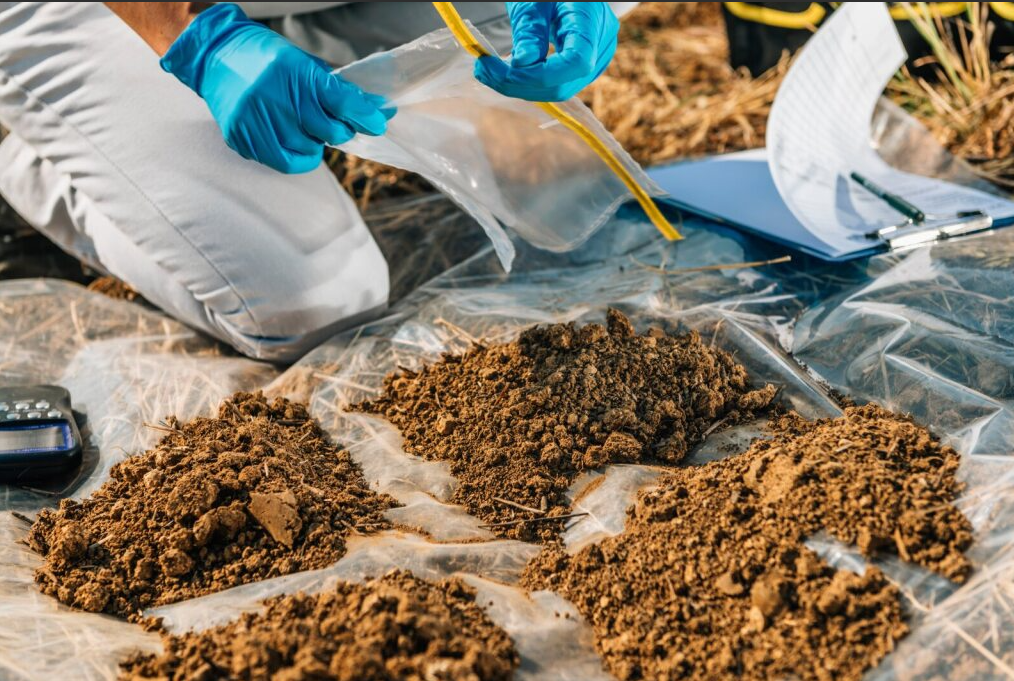
Agricultural application of sewage sludge and degradation of plastic mulch contribute to soil contamination.
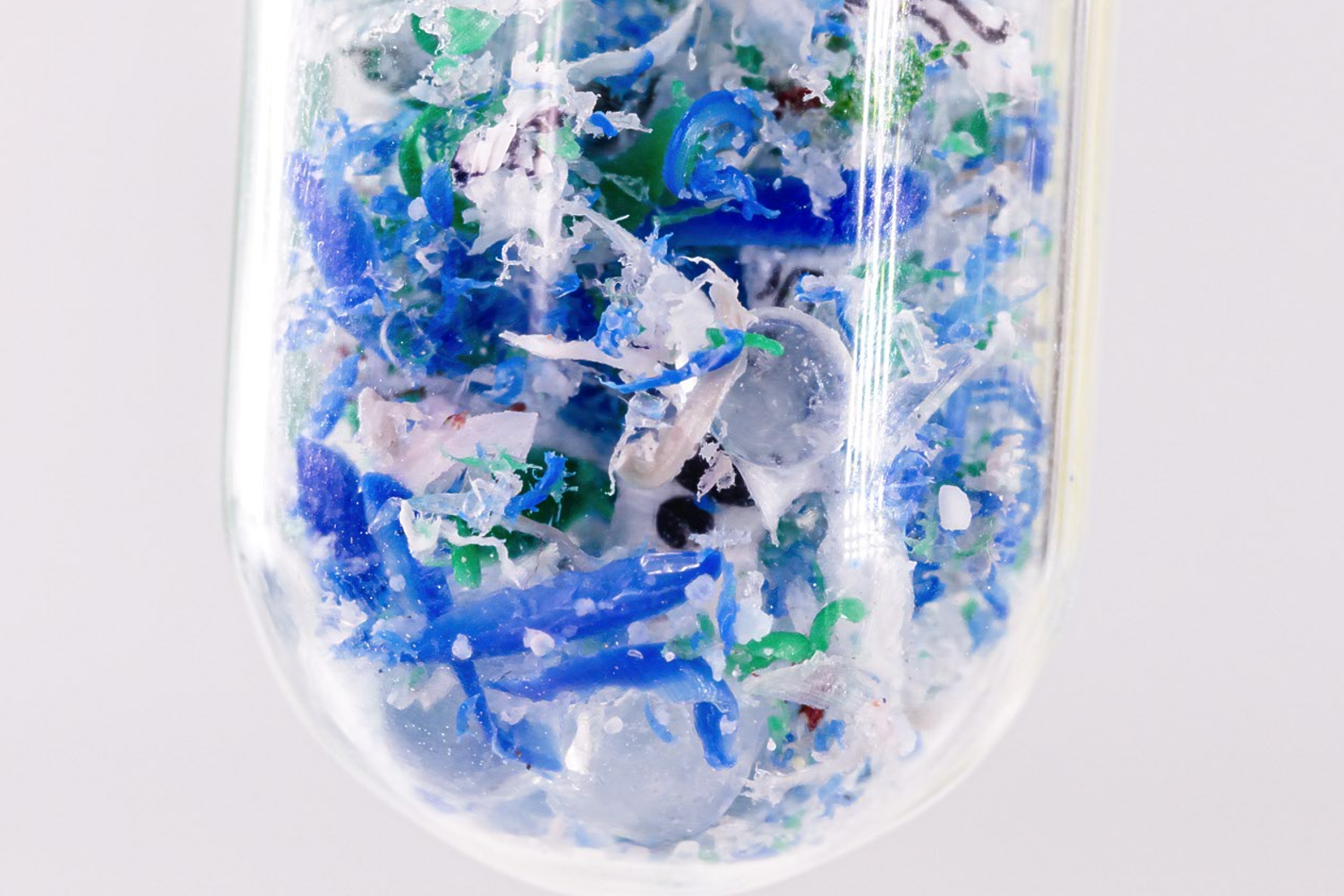
Lightweight particles can become airborne and travel long distances, depositing even in remote regions such as polar ice and high-altitude ecosystems.
Their wide distribution reflects both the scale of plastic production and the mobility of these particles once formed.
Policy on microplastics focuses on reducing plastic use, promoting recycling, and preventing their release into the environment. The European Chemicals Agency proposes banning intentionally added microplastics in certain products. The European Union has prohibited specific plastic products to encourage environmentally friendly alternatives.
Legislation on microplastics is constantly evolving. More recently, regulation has moved toward broad, preventive strategies targeting microplastics across multiple sectors:
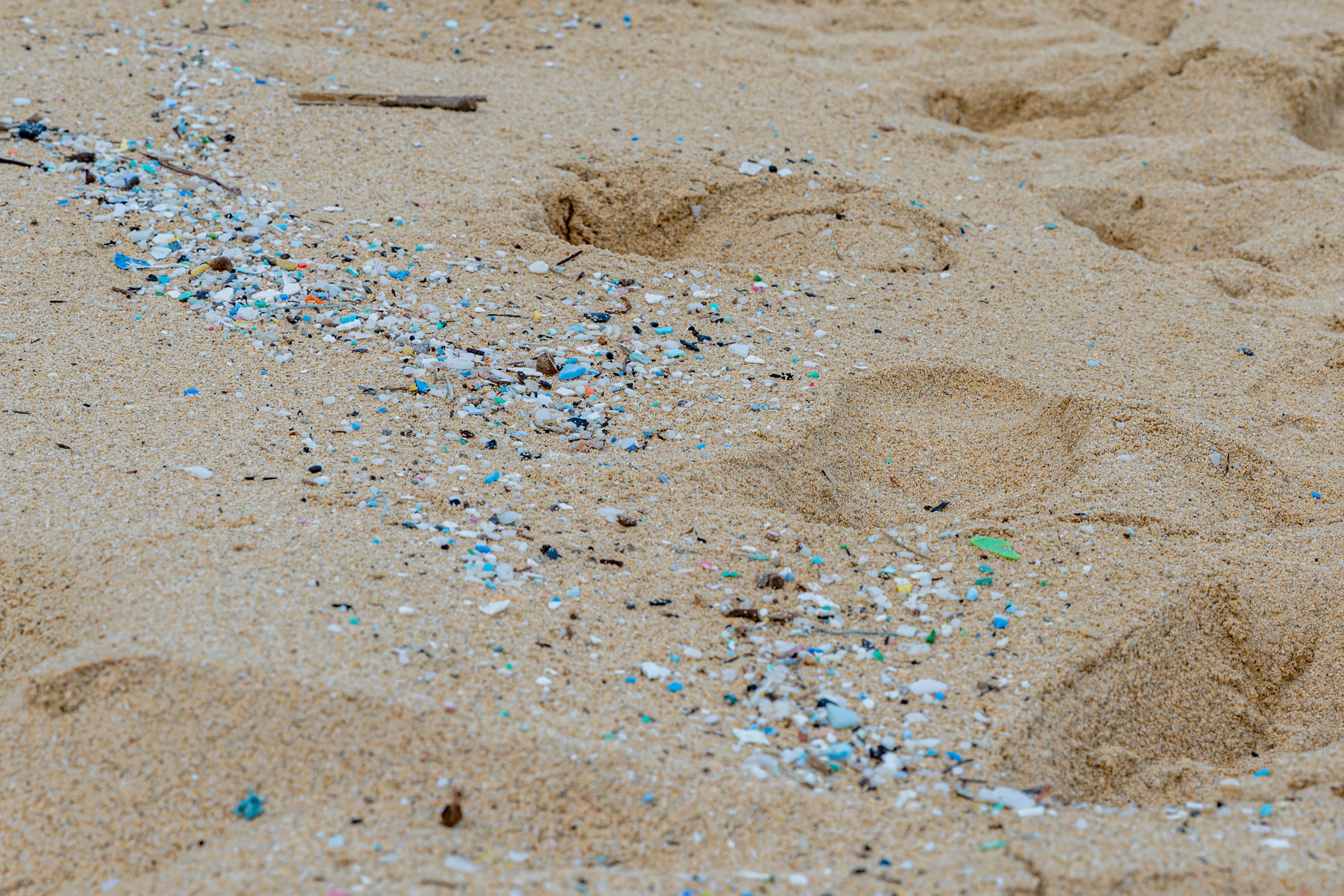
Eurofins offers accredited microplastics analyses in various matrices like soil, groundwater and compost. With these tests, we can offer information on particle size, amount, polymer type and total mass. More information can be found in our leaflet. For questions, please contact your contact person or info-milieu@etbnl.eurofins.com.
Our experts will be happy to assist you.
We hold the recognitions and accreditations required to perform these analyses. You can find our recognitions, accreditations, and more information about our analysis capabilities on our download page.

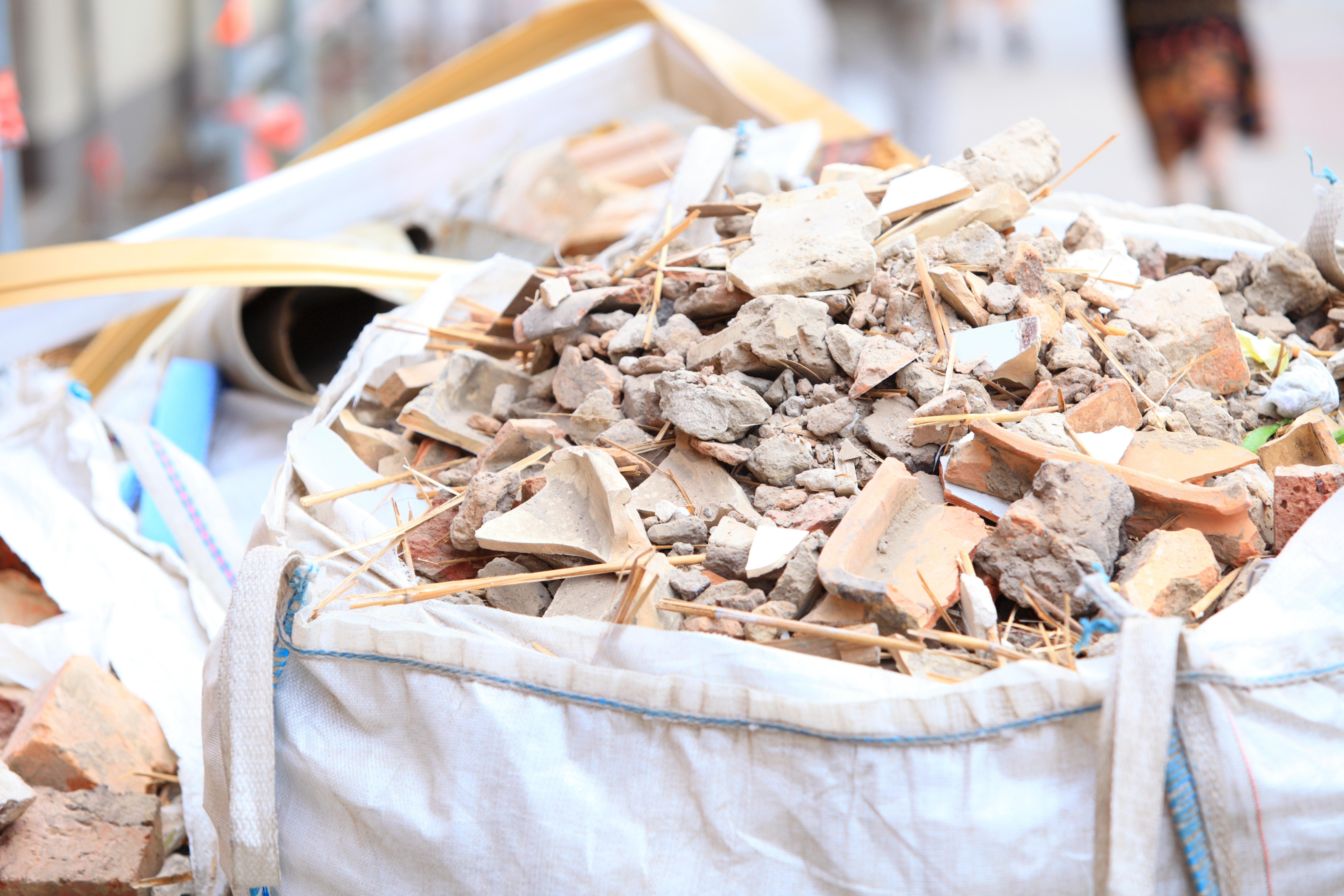
Advanced soil and groundwater analyses for accurate, compliant and reliable environmental insights.

Reliable, accredited analysis of wastewater, groundwater and surface water to ensure safety.


One-stop testing solution for all maritime compliance, safety and performance needs.

Quickly determine whether bats are present in cavity walls before insulation work begins.



Understand and protect aquatic ecosystems with expert analysis and insight.

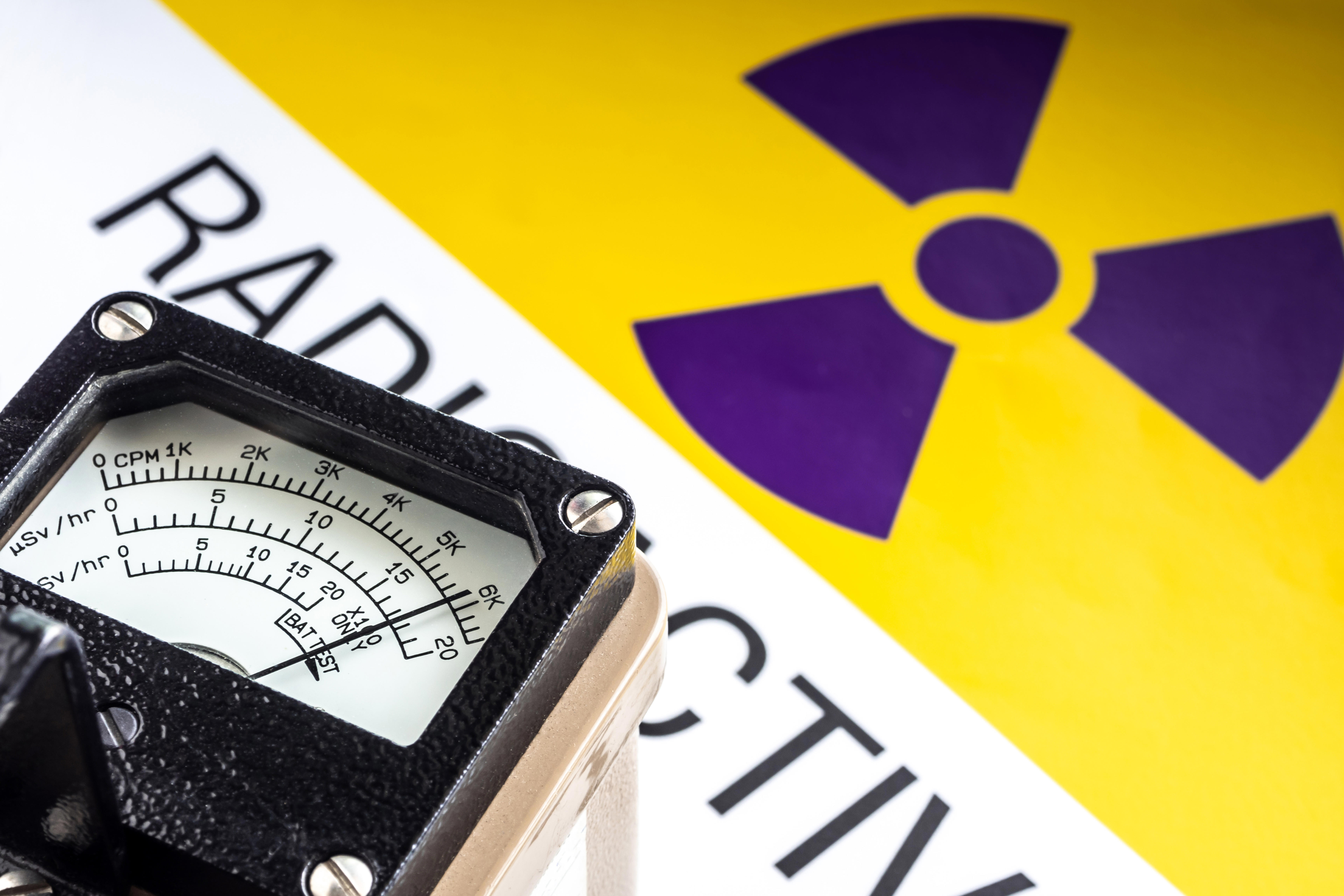
Advanced, accredited radioactivity testing for air, water, soil, and environmental matrices.
