Crop Protection
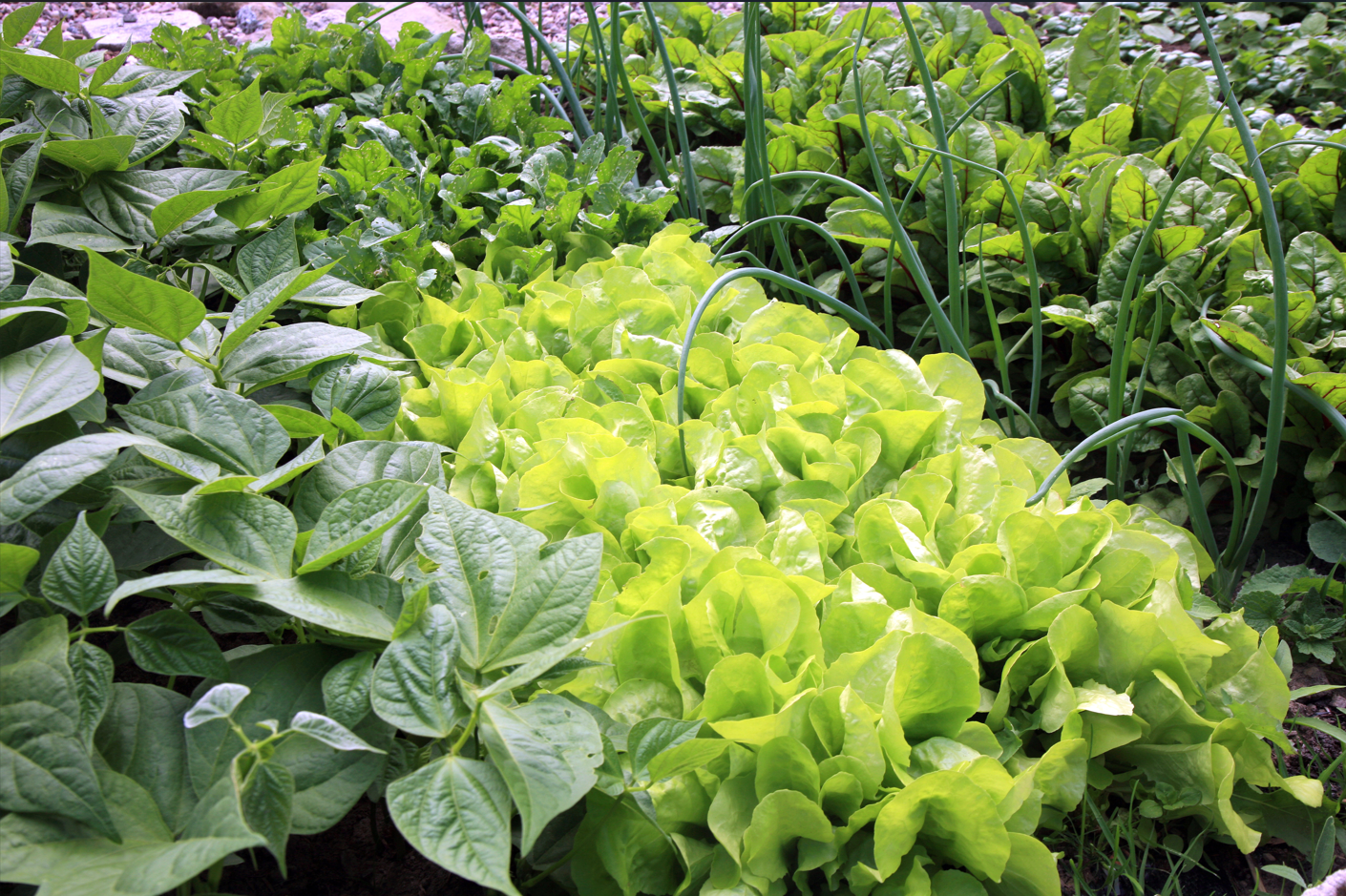
Eurofins Environment offers a comprehensive and up-to-date analytical portfolio covering more than 450 compounds for the determination of pesticides and biocides in water and soil. Using advanced techniques such as LC-MS/MS and GC-MS/MS, very low concentrations (ng/L) can be measured reliably. Many of these analyses are accredited by the Dutch Accreditation Council (RvA).
Research into Crop Protection Products & Biocides
Crop protection products, both biological and synthetic, are formulations containing one or more active substances that are used to combat harmful organisms such as insects, fungi, bacteria, and viruses. They are deliberately applied in agriculture and horticulture to protect crops. There are various types, including insecticides, fungicides, herbicides, nematicides, acaricides, rodenticides, molluscicides, and bactericides.
Biocides, on the other hand, are chemical or biological substances aimed at controlling or minimizing unwanted organisms in households, public spaces, or industrial environments. These include preservatives, insecticides, embalming fluids, and anti-fouling coatings for ships.
Crop protection products and biocides enter the environment through wind, rainfall, surface runoff, and leaching. Because many of these substances are poorly biodegradable, they can accumulate in organisms and cause damage to ecosystems and human health. Particularly in organisms at the top of the food chain, high concentrations are measured as a result of bioaccumulation. The active substances are often not fully specific, meaning they can also be harmful to non-target organisms.
Legislation and Regulations
The production and marketing of Crop protection products are governed by European Directive 91/414/EEC, and such products must be registered before they may be used in an EU Member State. In the Netherlands, this is regulated through the Crop Protection Products and Biocides Act (Wet gewasbeschermingsmiddelen en biociden (Wgb)). For biocides, European Directive 98/8/EC applies.
Nevertheless, elevated concentrations in surface waters, such as those from the Rhine and Meuse rivers, may lead to contamination of drinking water. European cooperation is essential for the protection of our drinking water sources. Crop protection products are subject to various regulations, including international environmental agreements and the European Water Framework Directive (Europese Kaderrichtlijn Water (KRW)). Within Europe, an environmental quality standard of 0.1 µg/L applies to all pesticides. In the Netherlands, RWS Waterdienst regularly carries out monitoring and screening of pesticides.
In 2025, the Omgevingsdienst West-Holland introduced a new assessment framework for soil investigations into non-standardized crop protection products. This framework is being rapidly adopted by other environmental services and includes a prioritized list of 20 substances, including glyphosate, metamitron, difenoconazole, mancozeb (SVHC), and thiacloprid (SVHC). It also recommends a sampling strategy that takes leaching, soil variability, and human health risks into account.
Eurofins Services
Eurofins has a broad and up-to-date analytical portfolio covering more than 450 components, enabling the determination of crop protection products and biocides in water and soil. Thanks to advanced techniques such as LC‑MS/MS and GC‑MS/MS, very low concentrations (ng/L) can be reliably measured. Many of these analyses are accredited by the Dutch Accreditation Council (RvA).
Related Services


Advanced soil and groundwater analyses for accurate, compliant and reliable environmental insights.

Reliable, accredited analysis of wastewater, groundwater and surface water to ensure safety.


One-stop testing solution for all maritime compliance, safety and performance needs.
Quickly determine whether bats are present in cavity walls before insulation work begins.
Understand and protect aquatic ecosystems with expert analysis and insight.
Advanced, accredited radioactivity testing for air, water, soil, and environmental matrices.