Freshwater and marine ecosystems
Freshwater ecosystems
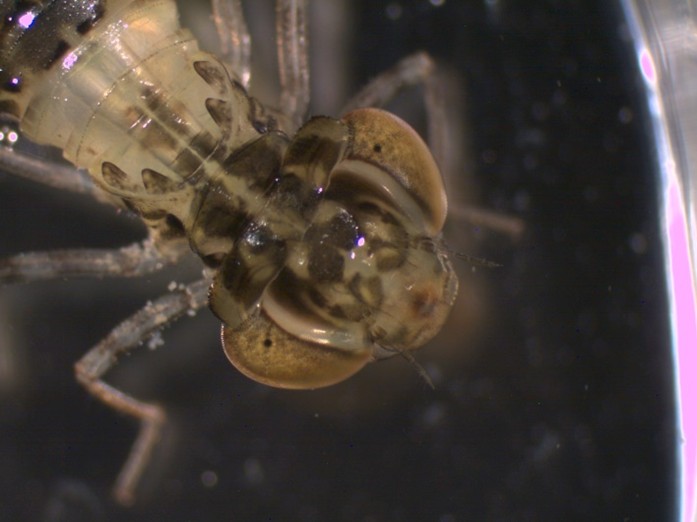
• Macroinvertebrates
• Phytoplankton and zooplankton
• Aquatic and riparian vegetation
• Escherichia coli and Enterococcus
Marine and estuarine ecosystems
• Macrozoobenthos
• Seagrass

Eurofins AquaSense provides ecological and hydrobiological research for both freshwater and marine habitats. We combine fieldwork, specialist sampling in aquatic environments, laboratory analysis and ecological consultancy to deliver clear insight into ecological status, water quality and the effects of management measures.
Our key areas of expertise are:
Freshwater ecosystems
• Macroinvertebrates
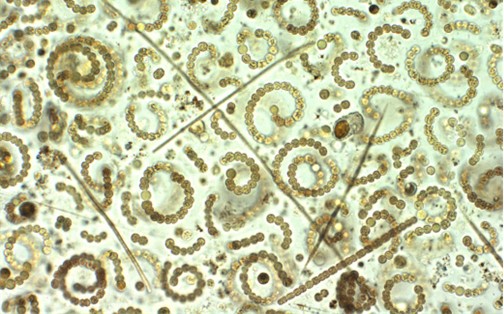
• Phytoplankton and zooplankton
• Aquatic and riparian vegetation
• Escherichia coli and Enterococcus
Marine and estuarine ecosystems
• Macrozoobenthos
• Seagrass

Freshwater and marine ecosystems
Eurofins AquaSense specialises in ecological monitoring of freshwater, marine and estuarine ecosystems, both in aquatic environments and along their shorelines. We support monitoring projects from initial study design to data delivery and reporting, providing valuable insights into the quality of the ecosystems and the effects of human activities. We are also able to provide before and after impact analyses and monitoring for specific projects, such as within the scope of wind park construction or dredging.
Our multidisciplinary team combines field surveys, laboratory analyses, project coordination and data analysis, offering a single point of contact throughout the project. This ensures efficient project execution, consistent quality and results that support management and policy objectives.
Macroinvertebrates
In all aquatic habitats, small invertebrates, or macro-invertebrates, are a vital part of the living environment. The composition of macro-invertebrates communities demonstrates
valuable insights into the health and stability of an ecosystem, making this group a key indicator in the assessment of surface water quality.
Eurofins AquaSense collects and identifies macro‑invertebrates to species level and quantifies their abundance, diversity and biomass within the study area. These parameters provide reliable insight into the condition and quality of an ecosystem. Since 2009, we have been accredited in accordance with NEN-EN-ISO/IEC 17025 for the sampling and analysis of freshwater macro-invertebrates, and since 2010 for marine macro-invertebrates. Eurofins AquaSense has one of the largest teams of taxonomic specialists and ecologists in the field of seabed research in salt and brackish water in the Netherlands.
In addition to monitoring and reporting, we also provide training courses in species identification for various ecological groups in collaboration with renowned European expects.
For more information on courses and general enquiries, please contact Aquasense.info@etbnl.eurofins.com
Our services include
• MPN (Most Probable Number) analyses for Escherichia (E.) coli and Enterococci
• Biovolume assessments of potentially toxic cyanobacteria
Swimming water quality and safety
Clean and safe swimming water is essential for public health and recreational use. Eurofins AquaSense supports authorities and site managers by assessing whether swimming waters are free from harmful cyanobacteria (blue‑green algae) and fecal indicator bacteria.
Swimming water samples are analysed promptly to ensure the results are as up to date with current water conditions as possible, and to therefore ensure the most accurate reporting. This provides reliable insight into swimming water safety, supporting compliance with swimming water regulations, as well as timely management decisions during the swimming season, such as potential safety measures and public communication.
For more information, please contact us at Aquasense.info@etbnl.eurofins.com
Using environmental DNA (eDNA), Eurofins AquaSense offers advanced molecular techniques for the detection and identification of species in a wide range of environmental samples. Depending on the research question and scale, we apply either species‑specific analyses (qPCR) or species group analyses (metabarcoding).
Species‑specific analysis (qPCR)
Species‑specific qPCR targets a single species using a unique DNA marker. This highly sensitive method is particularly suitable when the target species is known and reliable detection is essential, even at low abundances.
Examples:
Species group analysis (metabarcoding)
Metabarcoding uses DNA markers located in conserved genes shared by many organisms, allowing the simultaneous detection of multiple species within a taxonomic group. This approach is well suited for biodiversity assessments and large‑scale monitoring. Examples of species groups are amphibians, bats, macrozoobenthos and marine fish communities.
An accredited laboratory equipped to perform both qPCR and metabarcoding analyses is available to ensure robust and high quality eDNA results for ecological research and monitoring.
For more information, please contact Aquasense.info@etbnl.eurofins.com
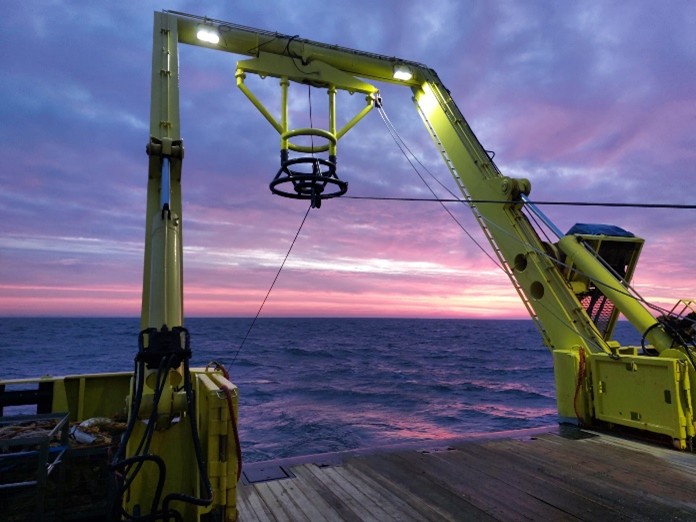
Examples of specialist services we provide
• Offshore chemical sampling
• Video monitoring of the water column or seabed using ROV systems
• Sediment sampling using a bottom dredge
• Benthic sampling using a boxcore and Hamon grab
Specialist sampling in aquatic environments
The specialists at Eurofins AquaSense are experienced in carrying out advanced and specialist ecological surveys and chemical sampling. We collaborate with our clients to develop new and innovative approaches to monitoring, research and ecological consultancy.
By combining specialist sampling techniques with other field activities wherever possible, Eurofins AquaSense supports efficient and cost‑effective project execution.
For more information, please contact Aquasense.info@etbnl.eurofins.com.
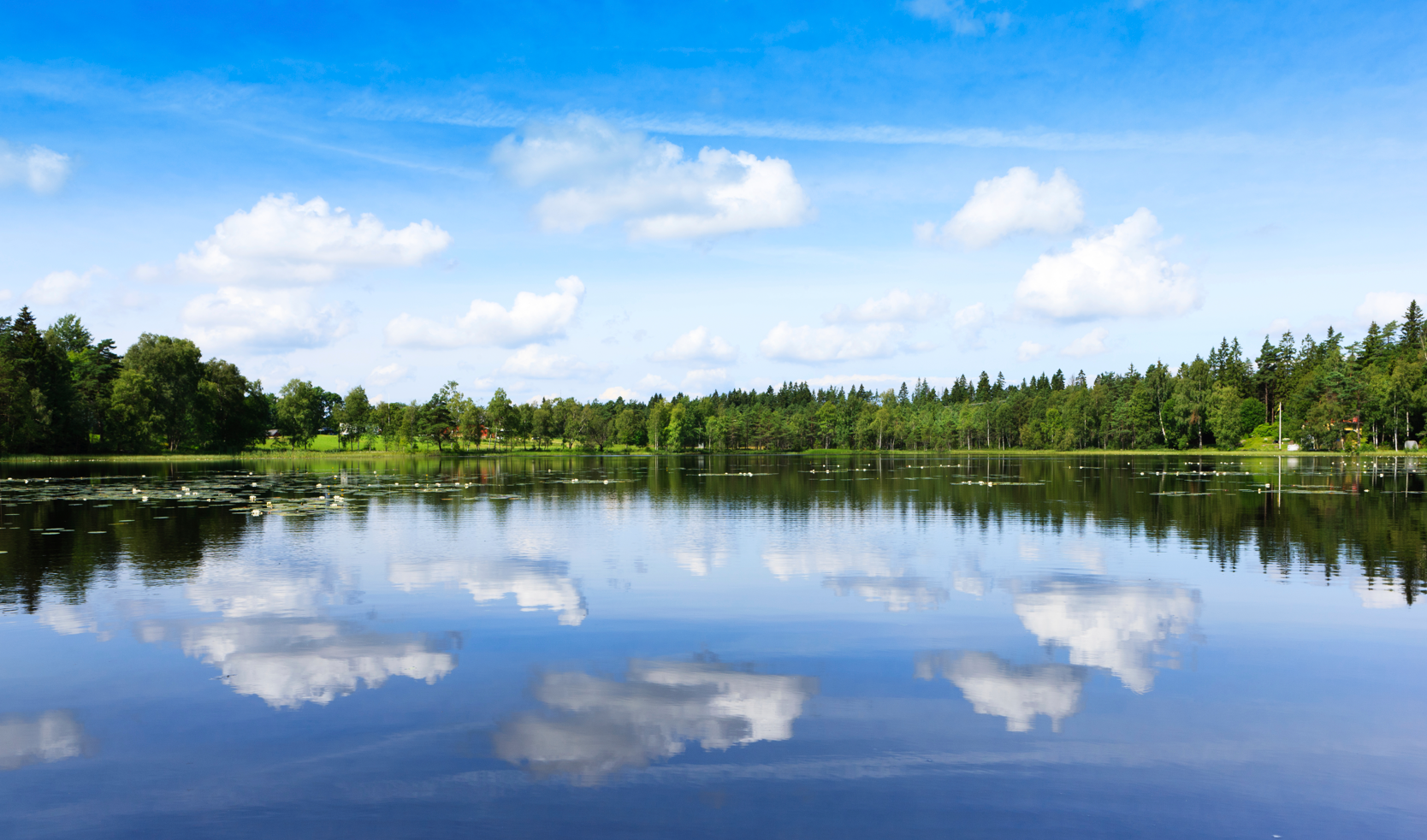
We support our clients with
• Monitoring strategies and study design
• Impact and trend analyses
• Data analysis, GIS and statistics
• WFD and MSFD‑related questions
We assist clients in complying with European frameworks such as the Water Framework Directive (WFD), the Marine Strategy Framework Directive (MSFD) and Natura 2000.
If your question is not listed but has an ecological component, we are happy to explore a suitable approach together. By combining fieldwork and sampling activities wherever possible, we help ensure efficient and cost‑effective monitoring programmes.
For more information about our consultancy services, please contact
Aquasense.info@etbnl.eurofins.com
Reliable hydrobiological knowledge for the management and protection of Dutch waters.
Consortium WATER
The WATER Consortium (Waardenburg AquaSense Taxonomy, Ecology & Reporting) is a partnership between Eurofins AquaSense and Waardenburg Ecology in the field of hydrobiological research. By combining specialized expertise in sampling, taxonomy, data analysis and reporting within a single partnership, we are able to provide the full range of hydrobiological research services: from collecting samples in the field and identifying the organisms found to analyzing, interpreting and reporting the results. As a result, we provide high-quality data and reliable insights for monitoring, understanding and protecting Dutch water systems.
The work carried out by the WATER consortium focuses on both freshwater and marine water systems and includes research on macrofauna, phytobenthos, phytoplankton and zooplankton. This work is conducted for Rijkswaterstaat as part of the Monitoring of the Hydrological Condition of the Country (MWTL) program.
With the combined expertise of Eurofins AquaSense and Waardenburg Ecology, we contribute to reliable knowledge that serves as the foundation for sustainable water management and healthy, resilient waters.
Our laboratory facilities in Amsterdam‑Duivendrecht and Yerseke are fully equipped for the analysis of ecological samples. Eurofins AquaSense operates in accordance with the required recognitions and accreditations (NEN-EN-ISO/IEC 17025 and 9001), and within the scope of all relevant environmental laws and regulations. An overview of our certifications, accreditations, and analytical capabilities is available on our download page.
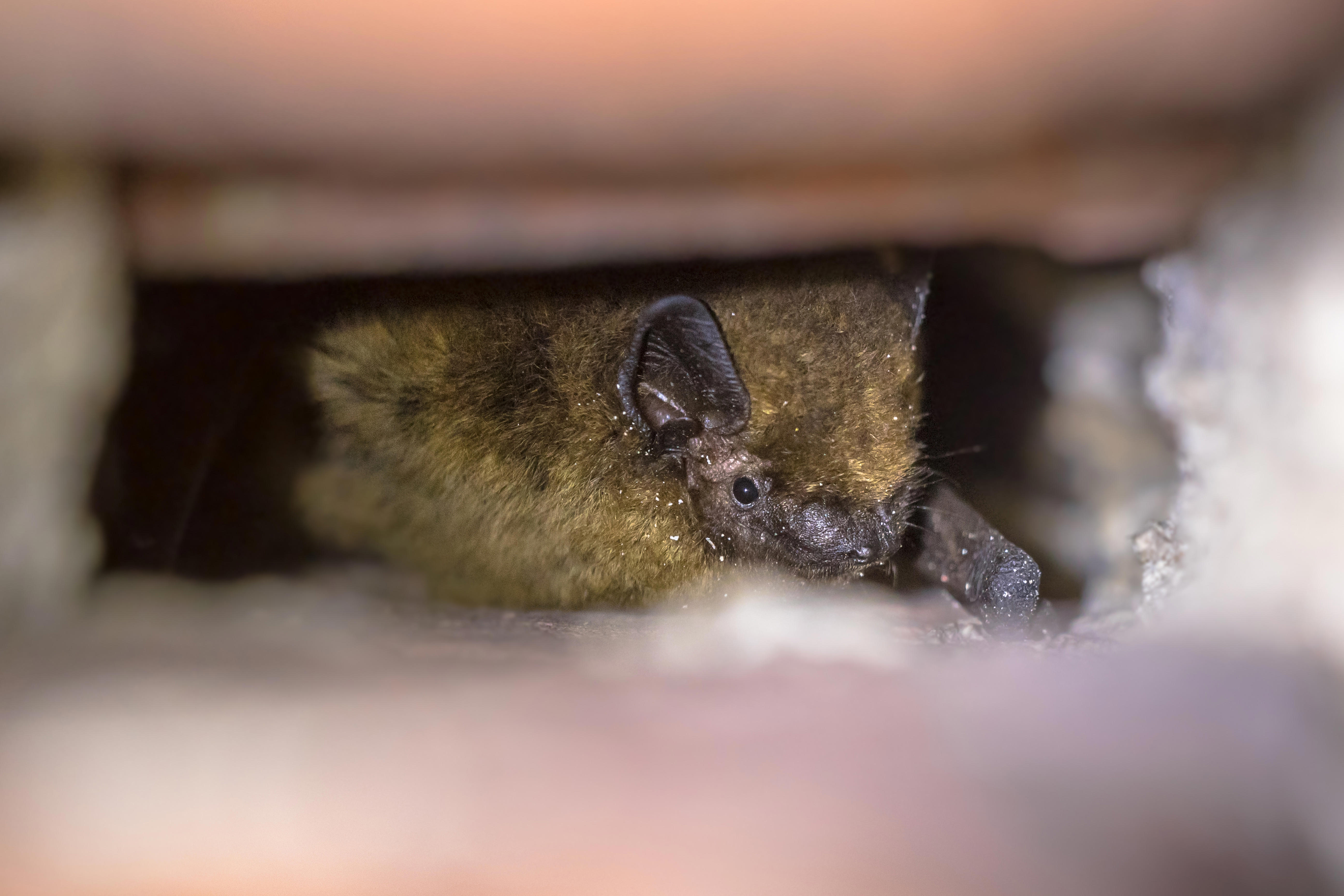
Quickly determine whether bats are present in cavity walls before insulation work begins.
Reliable, accredited analysis of wastewater, groundwater and surface water to ensure safety.

Advanced soil and groundwater analyses for accurate, compliant and reliable environmental insights.


One-stop testing solution for all maritime compliance, safety and performance needs.
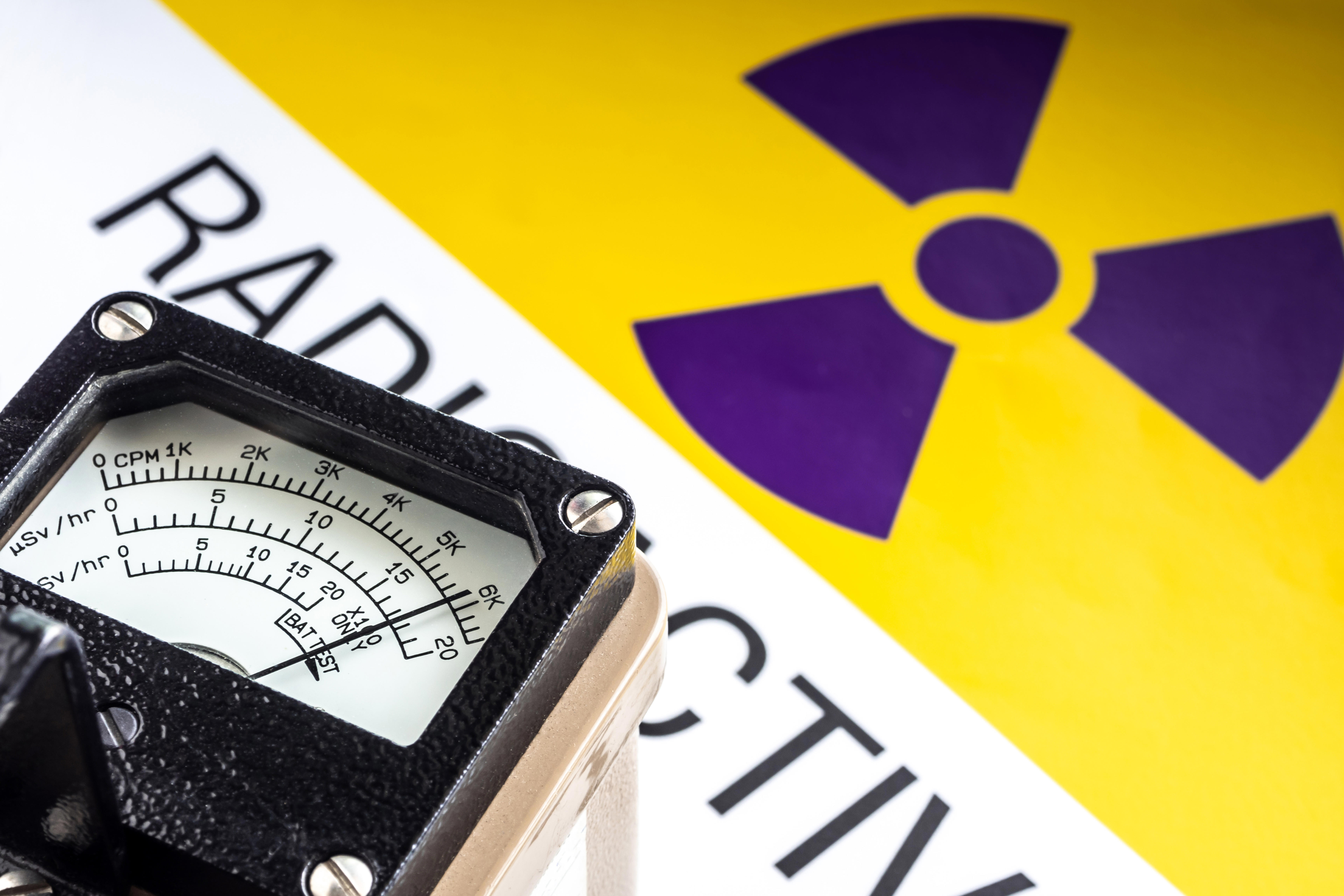
Advanced, accredited radioactivity testing for air, water, soil, and environmental matrices.
