Microplastics testing
Taking the lead in microplastics testing
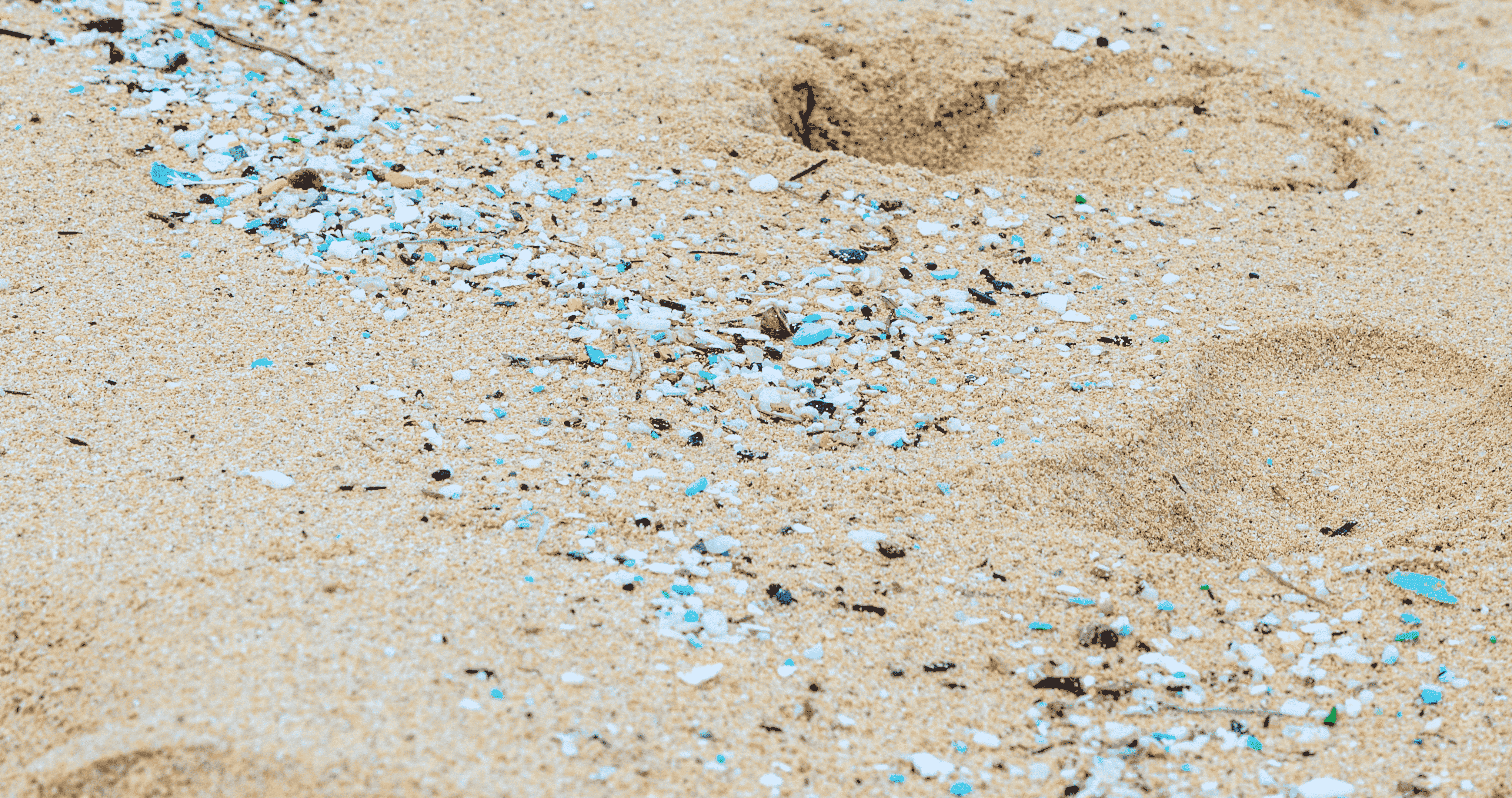
Plastic is a highly versatile material that has become indispensable in daily life. However, disposal and recycling pathways have often been overlooked, resulting in a significant proportion of plastic waste being released into the environment, where it fragments into microplastics.
Microplastics are defined as solid plastic or synthetic polymer particles that are insoluble in water.
They have a largest dimension between 1 µm and 5 mm (ISO 16094-2:2025).
Eurofins Environment Testing New Zealand laboratories are committed to staying at the forefront of the development of new methods, in order to assist our customers to monitor all “compounds” of concern, including microplastics, for the benefit of our societies.
Microplastics do not biodegrade in the environment and are an emerging topic of concern.
Eurofins Environment Testing New Zealand tests for microplastics and carries out data collection to support stakeholders to make informed decisions related to these potentially harmful contaminants.
Microplastics have been found both in marine and freshwater as well as in the terrestrial ecosystem. Unfortunately, once microplastics enter the environment, they accumulate in animals, ultimately finding their way back to humans through food and drinking water.
The effects of microplastics are still being researched, but it is known that they negatively impact our ecosystem, water quality and even human health, not only because of their physical properties, but through related chemical and biological risks, such as accumulation of toxic chemicals and the transport of pathogens.
Microplastics are now ubiquitous across all environmental matrices. Recent toxicological studies indicate that microplastics may pose risks to human health and the environment, driving increasing global concern.
Measurement techniques
Eurofins Environment Testing New Zealand laboratories use state-of-the-art microplastic analysis methods to provide qualitative results to identify the different polymer types in the samples. Furthermore, the number of microplastics is quantified using spectroscopy (Raman, FTIR and LDIR), and total mass of particles reported, using thermoanalytical methods (TD-GC/MS and Pyrolysis-GC/MS).
Using methodologies aligned with current international standards, we analyse for the most common polymers, including polyethylene (PE), polypropylene (PP), polystyrene (PS), polyvinyl chloride (PVC), polyethylene terephthalate (PET), polycarbonate (PC), polymethyl methacrylate (PMMA), polyurethane (PU), polytetrafluoroethylene (PTFE) and polyamide (PA).
We support a wide range of sample types, including:

Environmental samples/monitoring
Water monitoring
Drinking water/bottled water/other drinks
Surface water
Wastewater
Groundwater
Sand & sediment
Soil, sludge, compost/biosolids and biodegradation residues
FOGO (food and garden organics)
Air monitoring (indoor and ambient)

Food and beverage
Aquaculture, wild fish, oysters, mussels (e.g., tissue, oil)
Raw and processed milk
Tea, matcha and coffee
Infant formula
Salt

Agriculture
Soil
Compost
Product testing
Cosmetics
Turf
Eye drops
Who we support
- Water boards
- Councils
- Environmental consultancies
- Government programmes
- Academic sector
- Industry and plastic recycling
- Agriculture
- NGOs
Get in touch
Would you like to find out more about our testing solutions, or do you need tailored analytical support? Contact us today to get in touch with our experts.
Find a site near you!
 Clear Filters
 Reset Filters