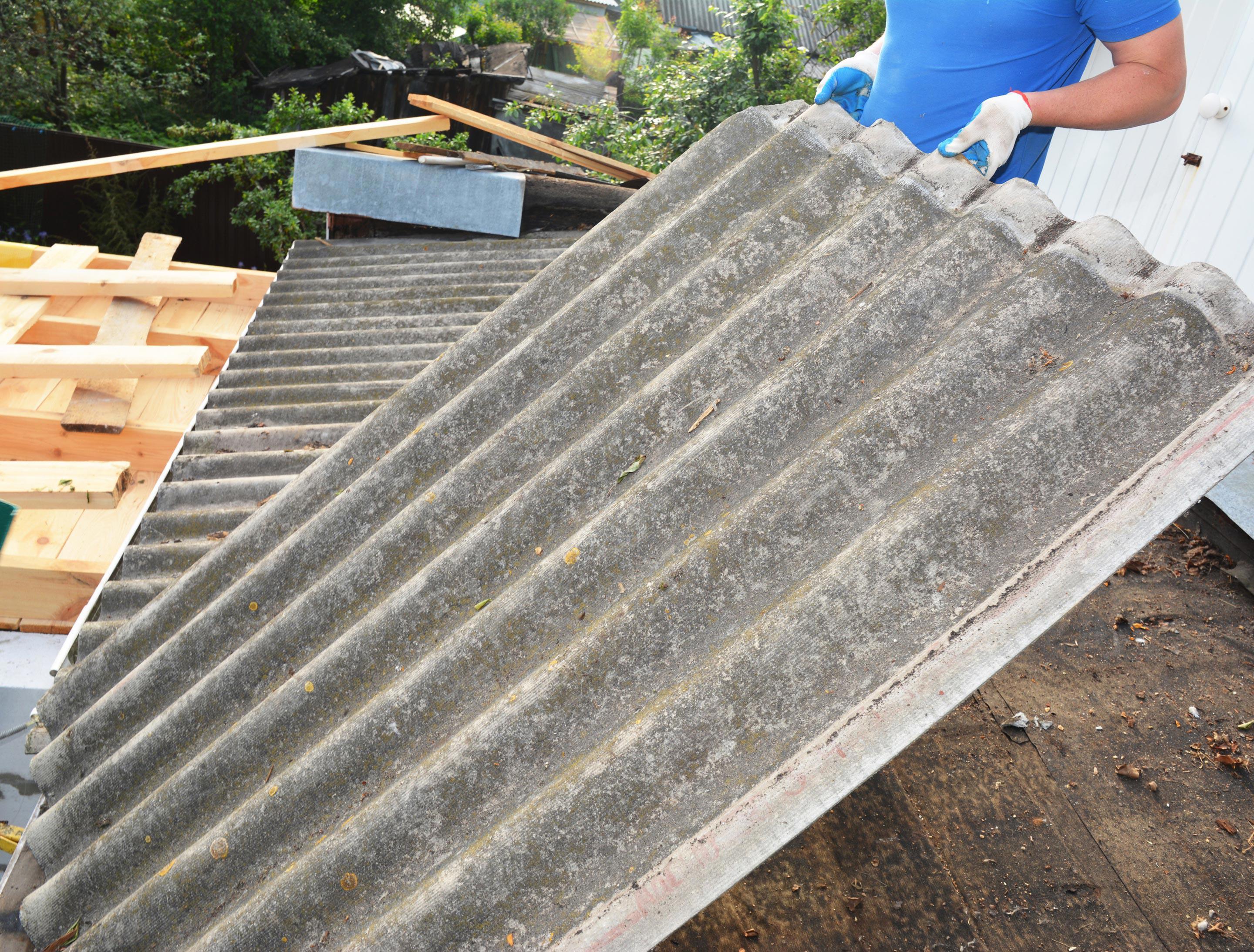
Asbestos identification and quantification services to support safe handling and regulatory compliance. Asbestos identification helps prevent exposure risks in buildings and construction materials, protecting health and the environment.
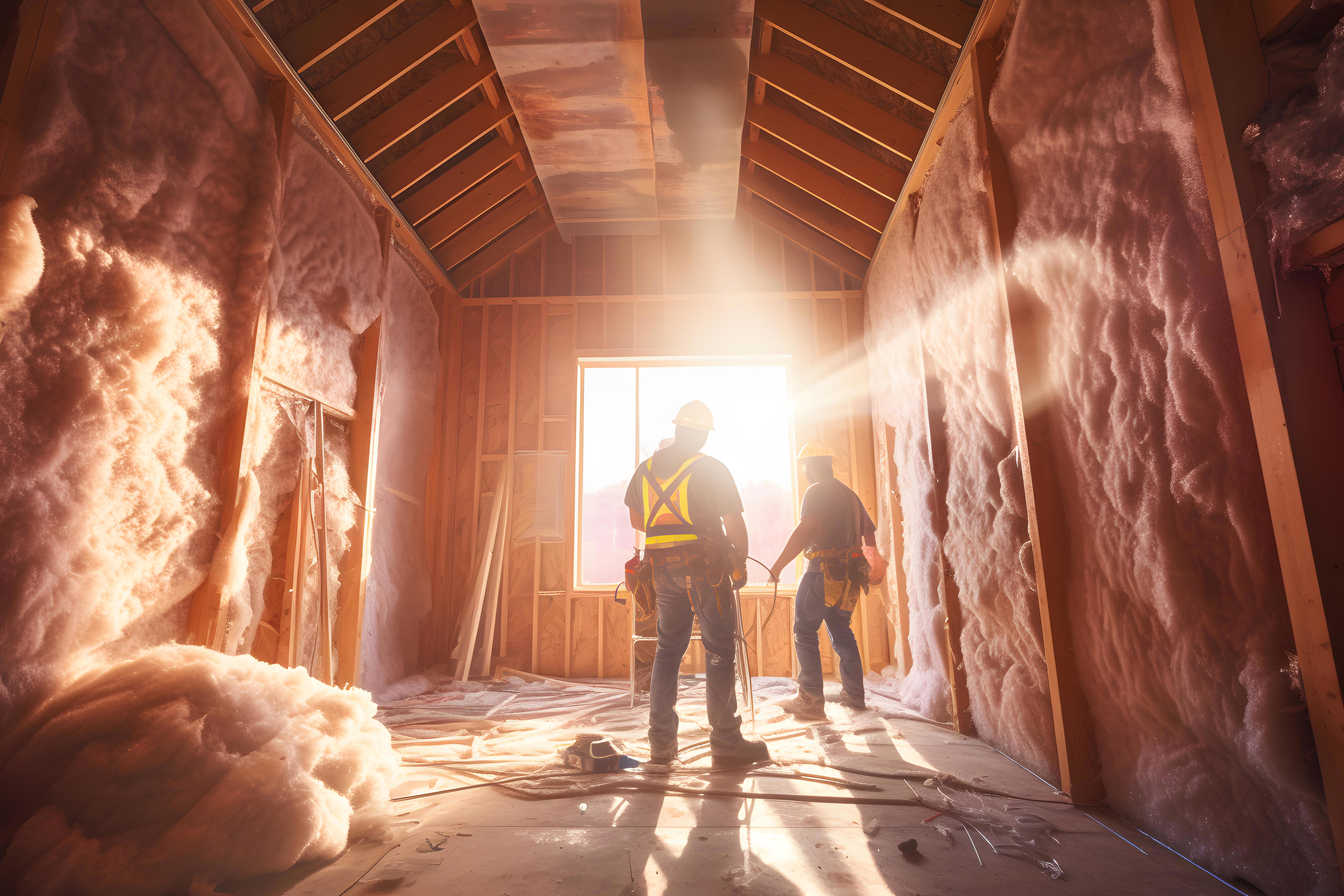
Reliable testing solutions for healthier indoor environments.
The network of Eurofins Environment Testing New Zealand laboratories provides built environment testing services for materials, industrial hygiene (IH) monitoring and indoor air quality (IAQ), to protect the health of people in built structures from a range of potentially hazardous environmental conditions.
Eurofins Environment Testing New Zealand's comprehensive range of built environment testing services is tailored to support safety and health for day-to-day workplace use, as well as to builders, demolition contractors and workplace safety specialists.
Asbestos identification and quantification services to support safe handling and regulatory compliance. Asbestos identification helps prevent exposure risks in buildings and construction materials, protecting health and the environment.

Testing housing materials, such as cladding, for the presence of asbestos to ensure compliance and protect residents.
Conducting analyses to detect asbestos fibres in the air, ensuring safe and healthy environments.
Analysing asphalt for asbestos content to ensure safe construction and maintenance practices.
Evaluating dust samples for the presence of asbestos to prevent exposure.
Testing soil to detect and quantify asbestos presence.
Analysing concrete for asbestos content to support safe building practices.
Detecting and quantifying asbestos fibres in drinking water.
Assessing various materials for presence/absence and quantification of asbestos.
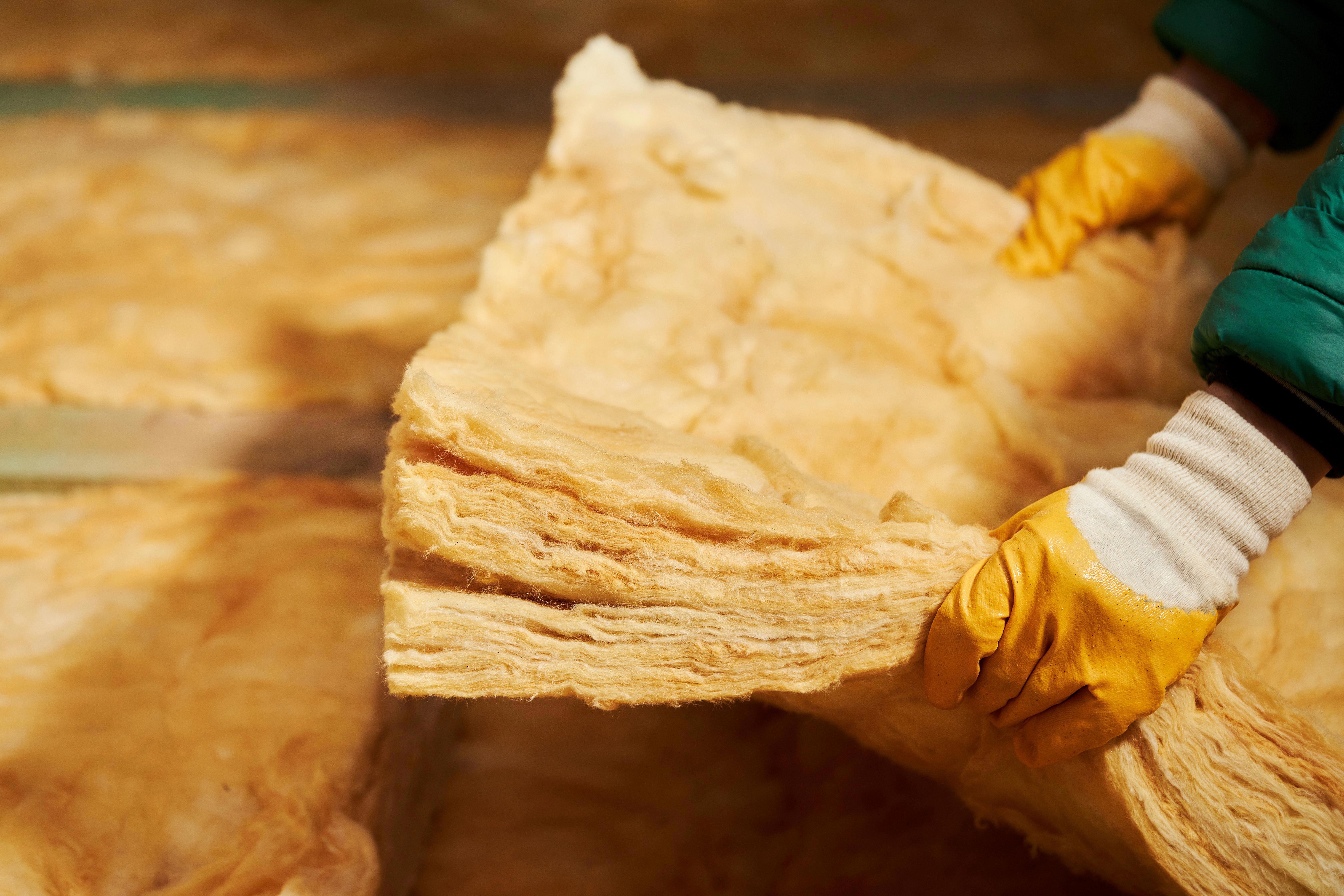
Testing to detect the presence of inorganic fibres, including artificial mineral fibres (AMF) which are used across multiple applications.
Testing fibres in rocks to support quality and safety in construction and industrial uses.
Conducting analyses of glass fibre to ensure suitability and safety for various applications.

Comprehensive mould testing to identify contamination and assess indoor air quality. Mould testing helps manage mould related health risks and supports effective remediation strategies in homes and workplaces.
Mould and microbial testing services include culture testing, direct microscopy, biochemistry and molecular biology methods such as spore trap and air tape methodology for mould investigations.
Microscopy of film contact samples, evaluation of impression plates, and swab samples.
Testing of nutrient media and filters from air germ collections, and slides from total spore collections.
Microscopy and cultivation of material samples, and activity and total cell count determinations.

Detection and measurement of lead concentrations in various matrices, including air, dust, and leachable lead waste.
Analysis of paint chip samples for lead content (particularly from older buildings). This testing is essential for renovation planning and compliance with health and safety regulations.
Analysis of surface and settled dust samples to assess lead contamination, often resulting from deteriorating paint or construction activities.
Testing of drinking water and other water sources for lead contamination, typically originating from plumbing components such as pipes, solder, or fixtures.

Specialised services to detect and analyse Legionella species, ensuring the highest standards of water safety and public health.
Conducting analyses to identify Legionella species in various water systems.
Detecting and quantifying Legionella bacteria in hot water systems and cooling towers to prevent outbreaks.
Performing comprehensive physical and chemical analyses to assess water quality and detect Legionella.

Industrial hygiene assessments to evaluate workplace exposures to chemical, physical, and biological hazards. Services provided help maintain safe working environments and comply with occupational health regulations.
Conducting determinations to identify and quantify hazardous substances in various environments.
Comprehensive testing of the work environment – identification, chemical and/or microbiological - to ensure compliance with relevant regulations.
Air quality testing to identify pollutants, allergens, and microbial contaminants to improve indoor environments from a health and comfort perspective and support regulatory compliance.
Assessing climate factors and testing for volatile organic compounds (VOCs) to maintain a healthy indoor environment.
Identifying and quantifying chemical and microbiological pollutants to ensure a safe indoor environment.
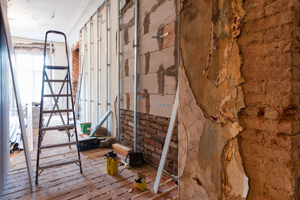
Testing of building and construction materials for hazardous substances and compliance with environmental standards. Determinations and identifications ensure material safety and support sustainable construction practices.
Preparing samples and investigating their composition to provide detailed insights.
Performing leaching tests, including column tests, shaking tests, and diffusion tests, to assess the release of contaminants.
Analysing compounds known to cause adverse health and environmental effects.
Detecting and quantifying asbestos in debris and materials to ensure safety and regulatory compliance.
 Clear Filters
 Reset Filters
