Per- and poly-fluoroalkyl substances (PFAS)
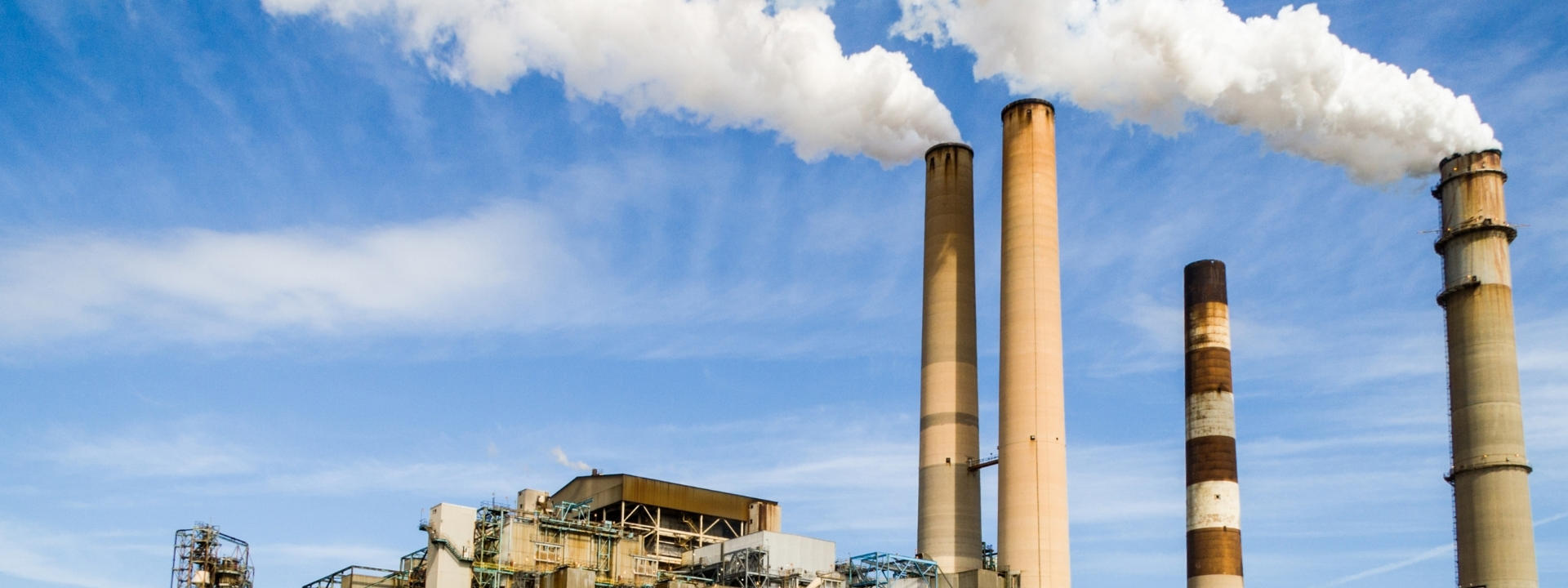
PFAS can be hazardous to human health because they do not break down naturally and persist in nature, hence their nickname ‘forever chemicals’. PFAS can build up in water, soil, and crops grown in contaminated soil, and can become airborne in household dust and industry emissions. Repeated exposure to PFAS over time can lead to bioaccumulation in people and animals. PFAS can also be transferred from a pregnant mother to a foetus during gestation.
PFAS - a hazard to health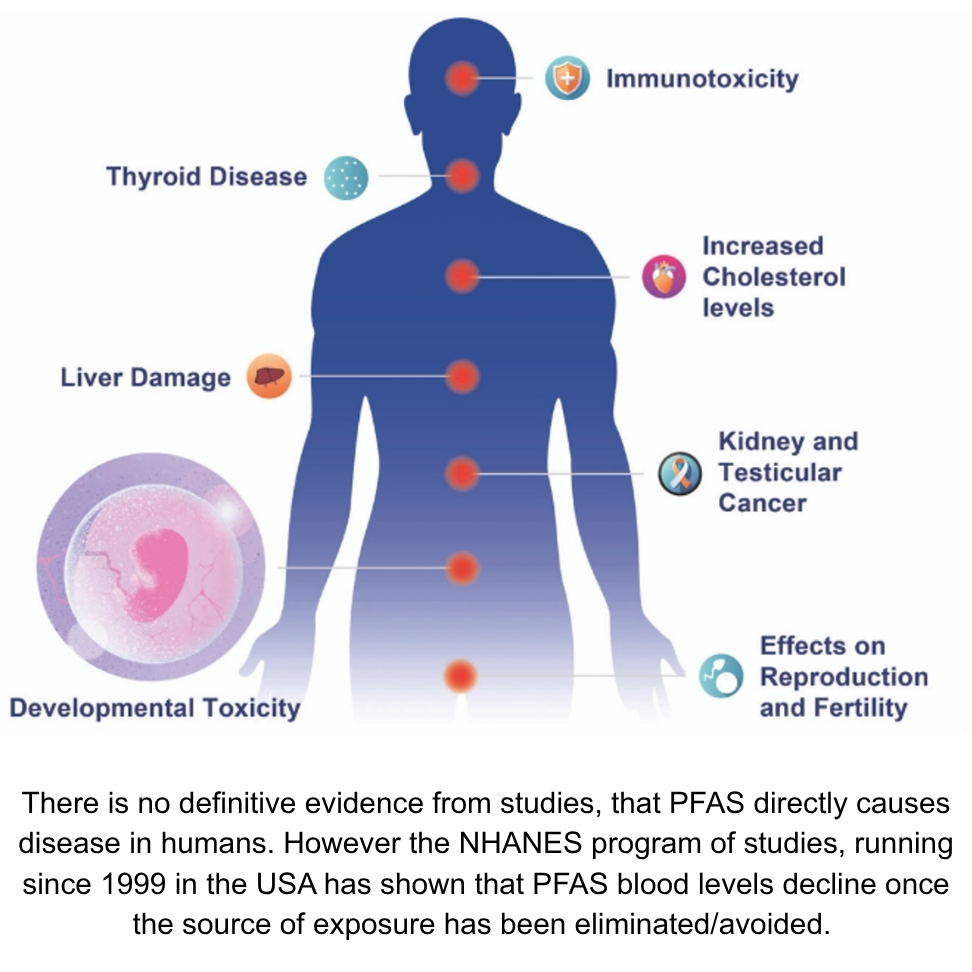
PFAS properties make them hazardous to human health. They do not breakdown after use, persisting in nature, hence their name ‘Forever Chemicals’.
PFAS have the potential to build up in water, soil, crops grown in contaminated soil and to become airborne in household dust and industry emissions. Some PFAS can build up in people and animals when they are repeatedly exposed to PFAS over time.
PFAS are transferred in the womb from mother to child and unless exposure decreases with age, the PFAS body burden increases due to bioaccumulation.
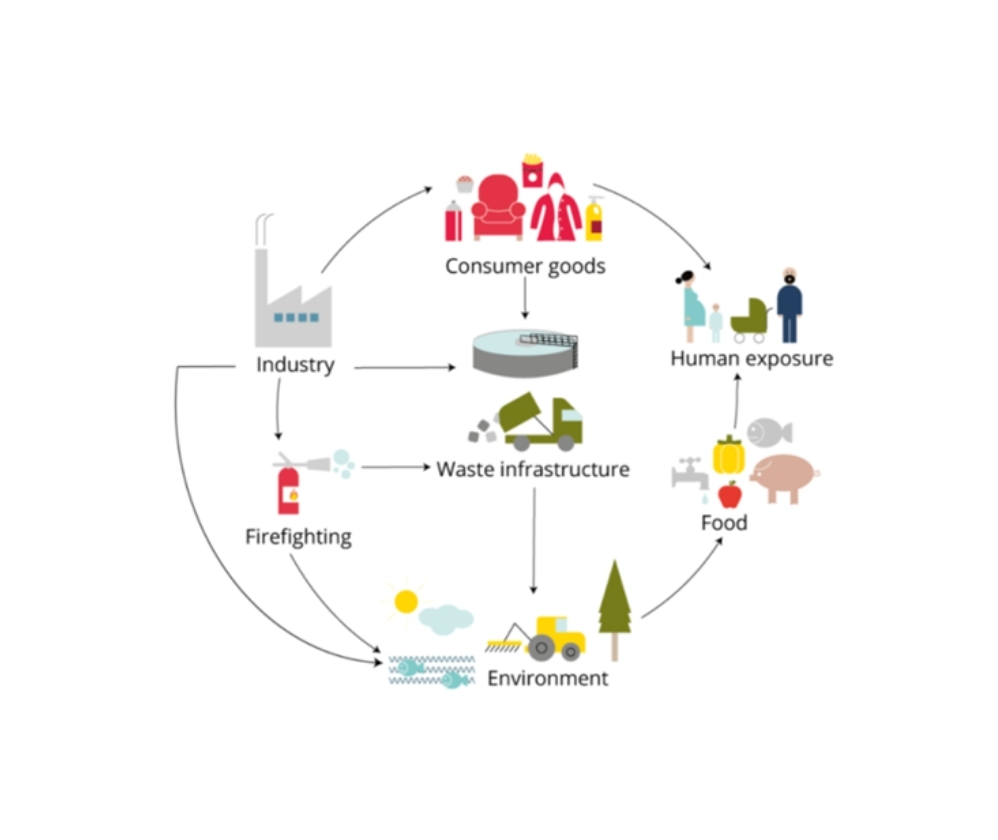
Sources of exposure from industry
Those working in or near facilities that have manufactured, used or handled PFAS are at a higher risk of exposure. These facilities include:
- Chemical factories
- Airports
- Fire-fighting training grounds
- Military bases
- Wastewater treatment plants
- Landfill
- Incinerators
- Farms - contaminated sewage sludge/biosolids
Industries: construction, aviation, automotive, chemical, ski waxes, pesticides, semi-conductor, paper & packaging, textile mills, leather tanning & finishing, electronic, metal finishing, car washes, mining.
Sources of exposure at home
- Household dust
- Non-stick cookware
- Stain resistant carpets & upholstery
- Water resistant clothing & footwear
- Cleaning products
- Personal care products & cosmetics
- Paints, varnishes, sealants, switches, vacuum cleaners, coffee makers, keyboards, screens, printers, and TVs
- Lake-away coffee cups, fast food wrappers, pizza boxes
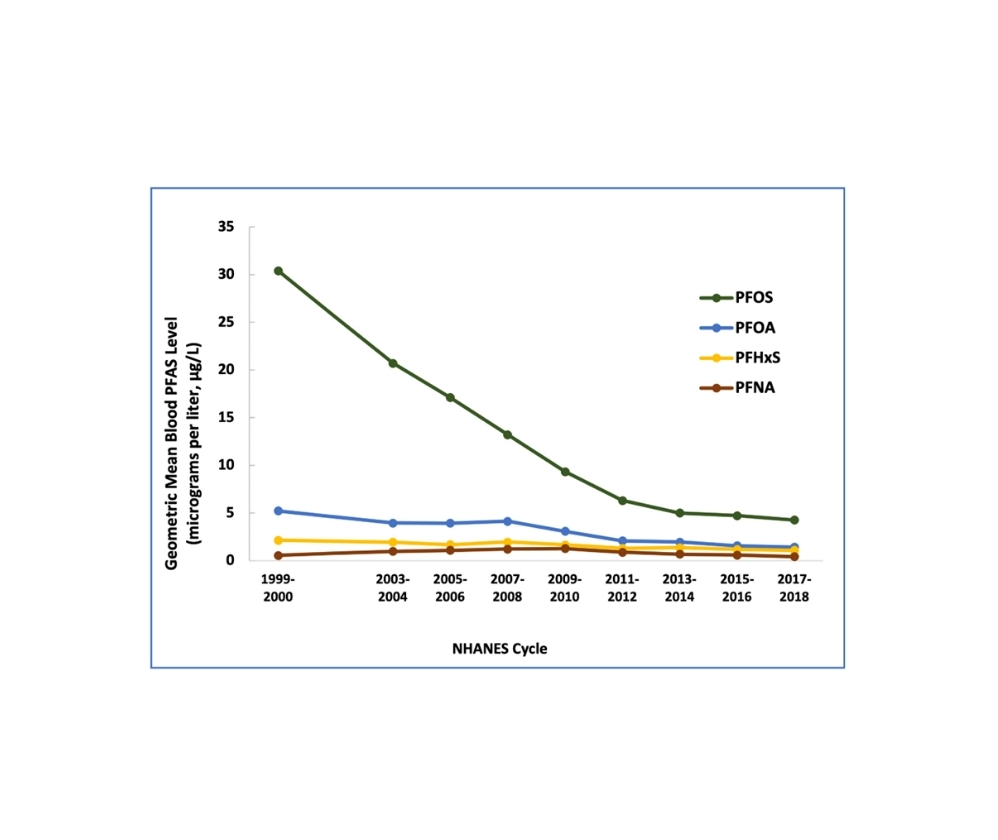
Why test now?
You may be unaware of your exposure to PFAS chemicals. Research conducted as part of the National Health and Nutrition Examination Survey (NHANES) programme shows that PFAS bioaccumulate over time, but if the exposure source is identified and eliminated, levels decline. This research underscores the importance of PFAS exposure testing.
Why should industry test for PFAS?
Compliance
- Monitor regulatory framework.
- Source & demand PFAS replacement products.
Reputation
- Protect employees and shareholders.
- Help to educate employees on PFAS & avoidance.
PFAS is an uninsurable liability
- Conduct baseline testing at commencement of employment.
Protect
- Test the workplace environment.
- Offer voluntary, confidential blood testing.
- If present in blood, find the root-cause. Ensure PPE protocols are working.
PFAS protection strategies
To protect yourself, your family and employees, following are some helpful tips to consider:
Water & air filtration
- Reverse osmosis removes 98% of PFAS
- Ventilate the house well
Cleaning
- Vacuum and dust often using a sealed HEPA filter
- Use PFAS-free cleaning products where possible
Purchases
- Check labels and ingredient lists for PFAS
- Ask for PFAS-free products in shops
- Engage with local authorities
- Avoid stain and water-resistant coatings
Food
- Avoid fast food wrappings
- Use glass or ceramic storage containers and dishes instead of plastic
- Use cast-iron, stainless steel pots & pans – if scratched, stop using
- Limit fish intake if local seawaters are known to be contaminated
Find a local laboratory

Three Rock Road, Sandyford Industrial Estate, Dublin,D18 A4C0, Ireland