









Laboratory testing represents a critical component of the assessment, diagnosis, and management of fertility disorders and pregnancy. We work with fertility clinics and GPs to provide access to accurate and timely information, supporting informed decision-making throughout the fertility pathway.
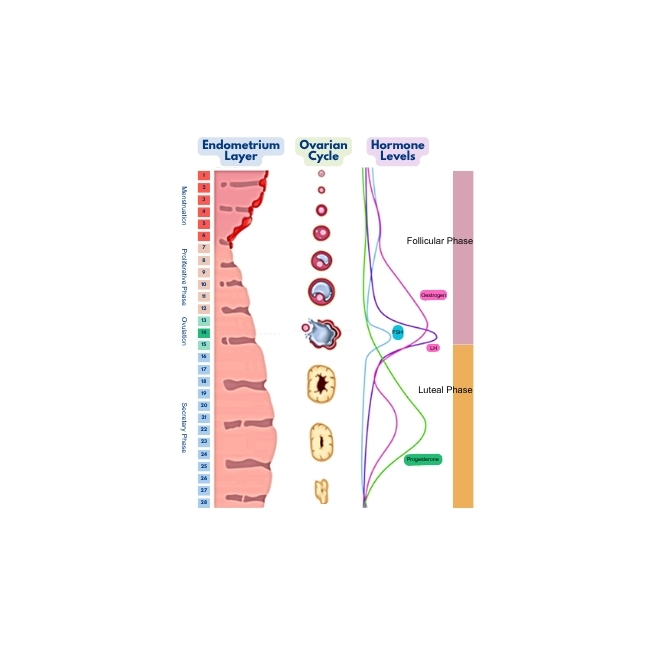
Follicle stimulating hormone (FSH) and luteinising hormone (LH) provide insight into the cycle of egg production and release
A progesterone test on day 21 of your menstrual cycle will tell you if ovulation (egg release) has taken place. An egg can be fertilised between 12 and 24 hours after ovulation
High levels of the stress hormone prolactin can prevent the release of FSH and LH
Anti mullerian hormone (AMH) is the most reliable indicator of whether a woman is still fertile and how many eggs she has left in her ovaries.
An undiagnosed thyroid condition can make it difficult to conceive. It can also cause problems during pregnancy itself. Once detected, measures can be taken to provide hormonal balance.
Poorly controlled blood sugar can lead to irregular menstrual cycles, anovulation, and poor quality of oocytes. To determine blood sugar levels, we offer a glucose and HbA1c test.
The hormone estradiol is produced by follicles in the ovaries. An elevated level on the third day of your cycle could indicate a compromised ovarian reserve despite a normal FSH level.
Sex hormone-binding globulin (SHBG) binds to your sex hormones and acts as a transport vehicle. Lower SHBG levels increase the likelihood of obesity and PCOS, thereby affecting fertility.
Small amounts of testosterone are produced by the ovaries and adrenal glands. Slight increases in testosterone production can disrupt the balance of hormones and cause infertility.
When you enter the care of a fertility clinic, they will offer you a range of tests to ensure they have all the information they require before commencing a reproductive cycle. These tests include screening for autoimmune conditions and viral or bacterial infections.
Autoimmune diseases cause your immune system to mistake your own healthy cells and tissues for foreign invaders. These conditions mainly affect women and tend to peak during reproductive years. The most common autoimmune responses affect the thyroid gland, phospholipids (a type of fat), gliadin/gluten, and various cells.
| Autoimmune conditions | Viral screens & antivirals |
| Beta 2 Glycoprotein | Protection against Rubella, Measles |
| Lupus Anticoagulant | Hepatitis B virus (HBV) Antibodies |
| Cardiolipin Antibodies | Hepatitis C virus (HCV) Antibodies |
| Thyroid Peroxidase Antibodies | Hepatitis B Surface Antigen |
| Hepatitis C Surface Antigen | |
| HIV |
| Bacterial infections |
| Chlamydia, Gonorrhoeae, Syphilis |
In both women and men, the (micro)nutrients of a varied diet are one of the key factors in optimising fertility. A healthy diet is also essential for the healthy development of the unborn child. The FertiCheck panel is a preliminary exploration of the future mother's biological status and gives insight on how to improve it in order to increase the chances of pregnancy.
| CRP Ultrasensitive | Vitamin A |
| Magnesium | Vitamin D |
| Zinc | Homocysteine |
| Selenium | Coenzyme Q10 |
| Copper | Ferritin |
| Vitamin B9 (erythrocyte) | Free T3 |
| Vitamin E | Erythrocyte fatty acids |
In men and in women alike, (micro)nutrients of a varied diet are key factors in optimising fertility. The FertiCheck panel can contribute to establishing optimum conditions for the creation of high-quality sperm, thus optimising fertility.
| CRP Ultrasensitive | Vitamin A |
| Magnesium | Vitamin E |
| Zinc | Homocysteine |
| Selenium | Coenzyme Q10 |
| Copper | Erythrocyte fatty acids |

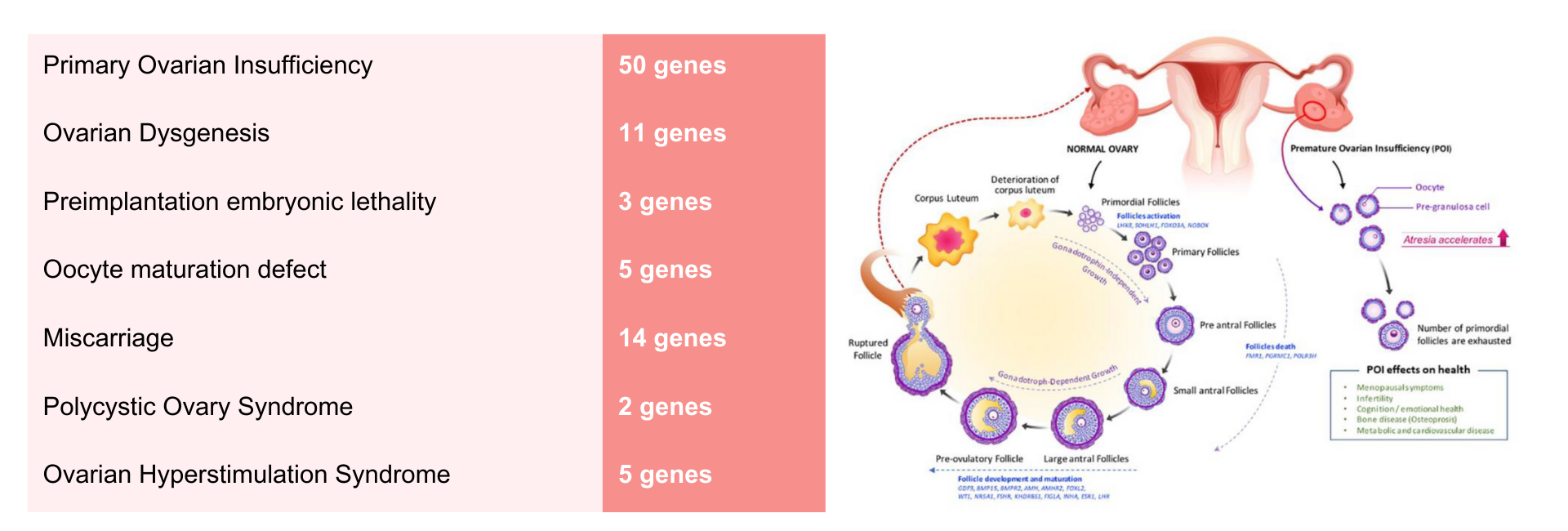
Fertiscan is an innovative test designed to identify genetic causes of infertility and recurrent miscarriages in females and infertility in males. The male test panel analyses 50 genes to detect potential sperm-related causes of infertility issues such as size, shape, mobility or quantity. The female test panel analyses 70 genes, however, we can offer targeted test versions to females as outlined below:

Figure 1: Image from Front. Cell Dev. Biol., 10 May 2021 Sec. Molecular and Cellular Reproduction Volume 9 2021 | https://doi.org/10.3389/fcel l.2021.672890
What is involved? This test involves a simple blood collection. It has >99% specificity and sensitivity.
Test Method: Next Generation Sequencing (NGS).

When combined with lifestyle choices, diet and environmental factors, inherited traits can make us more susceptible to developing metabolic, hormonal and inflammatory imbalances, which can in turn impact fertility. Nutrifert™ is a predictive genetic test suitable for women who want to optimise their lifestyle prior to trying to conceive or are having difficulty conceiving without a specific diagnosis. Figure 2

Figure 2: Genetic Predisposition
Nutrifert™ analyses 11 genes and identifies traits that can make a person more susceptible to obesity, diabetes, Polycystic Ovary Syndrome (PCOS), and endometriosis. Nutrifert™ also assessed how efficiently you digest, absorb and metabolise certain dietary nutrients. Research indicates that adhering to a personalised food plan on the advice of a professional nutritionist can improve ovulation, increase the chances of successful embryo implantation, decrease inflammation, and minimise the risk of miscarriage.
What is Involved? Buccal swab.
Test Method: Next Generation Sequencing.
Three Rock Road, Sandyford Industrial Estate, Dublin,D18 A4C0, Ireland

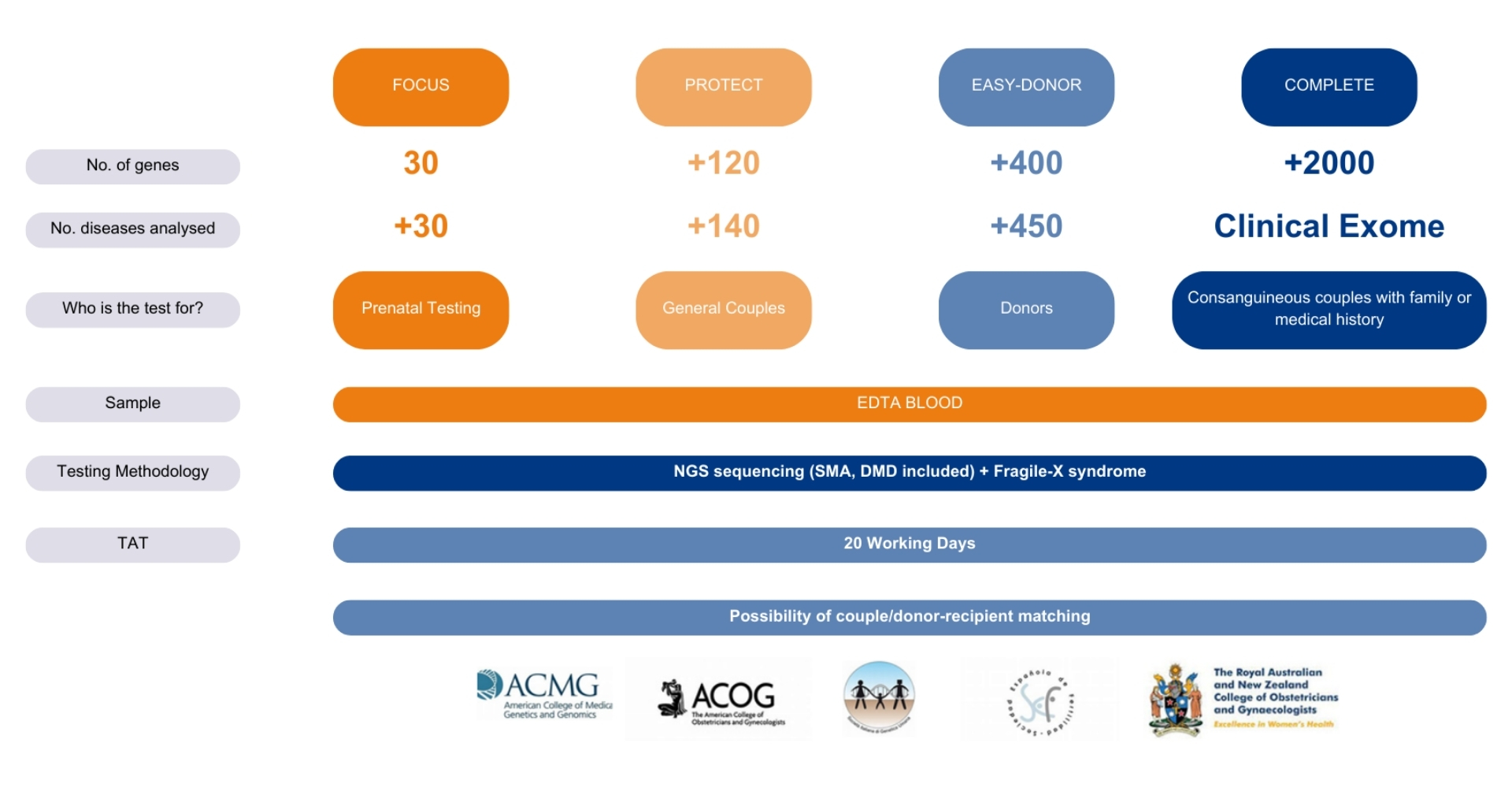
Your healthcare professional is the best person to advise you on the type of test best suited to you. The GeneScreen® test comprises four packages distinguished by the number of genes and genetic conditions analysed; Focus, Protect, Easy-Donor and Complete.

What is Involved? A simple blood test or a buccal Swab.
Test Method: Next Generation Sequencing (NGS).
Gene List:
Three Rock Road, Sandyford Industrial Estate, Dublin,D18 A4C0, Ireland
Although the gut microbiome and its implications for human health are widely discussed, many people may not be aware of its counterparts in the womb and vagina, or of the steps that can be taken to positively alter these microbiomes. Eurofins Clinical Diagnostics Ireland offers a number of tests to assess the endometrial and vaginal microbiome:
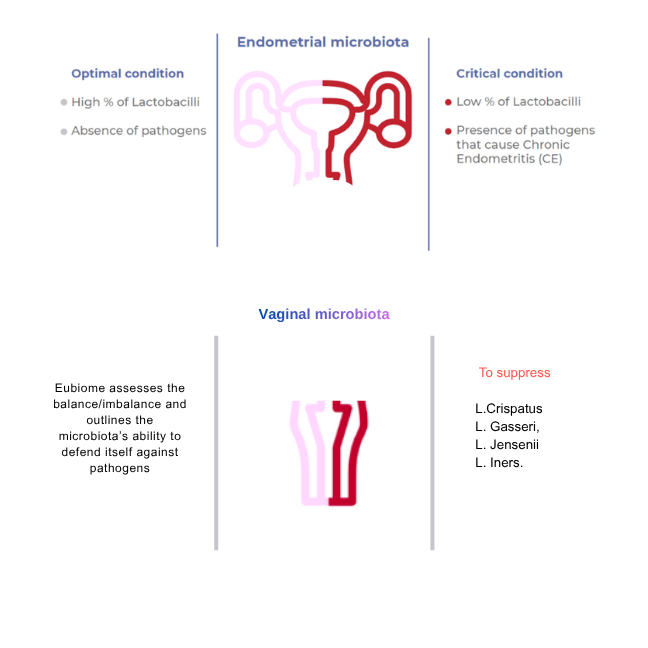
Endometriome is a screening test that analyses the composition of the bacteria in the lining of the womb. A healthy endometrial microbiome can improve reproductive outcomes for people trying to conceive.
What is Involved?
A sample of endometrial tissue or endometrial fluid taken between day 15 and 25 of the natural menstrual cycle or during the uterine secretory phase in a HRT cycle.
Eubiome is a screening test of the microbiome that live in the vagina. These bacteria have been studied for over 40 years. The lactobacilli bacteria produce Hydrogen Peroxide, (H₂O₂ ) to suppress the growth of unfavourable bacteria such as L.Crispatus, L. Gasseri, L. Jensenii and L. Iners. A healthy microbiome protects against these microbes by producing anti-microbical substances and help to maintain an intact, vaginal lining that secretes a protective pH mucus. Bacterial Vaginosis and Vaginal Candidiasis are common vaginal conditions. Additional screenings are available for other STI’s.
The Eubiome test identifies 4 main Lactobacilli and the report provides a bacterial balance score of lactobacilli to all other bacteria in an easy-to-read report, checking for 14 of the main pathogens that cause vaginitis and vaginosis
What is Involved?
A cervix-vaginal swab and a endocervical swab for HPV.
Affinity Map tests the ability of the mother’s immune system to tolerate the embryo. The embryo inherits half of its genetic material from the father and half from the mother, so maternal-fetal immunological compatibility can be predicted by studying the couple and, in the case of heterologous fertilization, the donor(s).
Immune cells located within the mother’s womb should recognize the proteins on the surface of the embryo and accept it. However, the immune system does not always do what we want it to do! This test is useful to those who have had multiple miscarriages, failed implantations, risk of / or prior preeclampsia and sperm/egg donors.
What is Involved?
A simple blood test.
Test Method: Genetic Test.
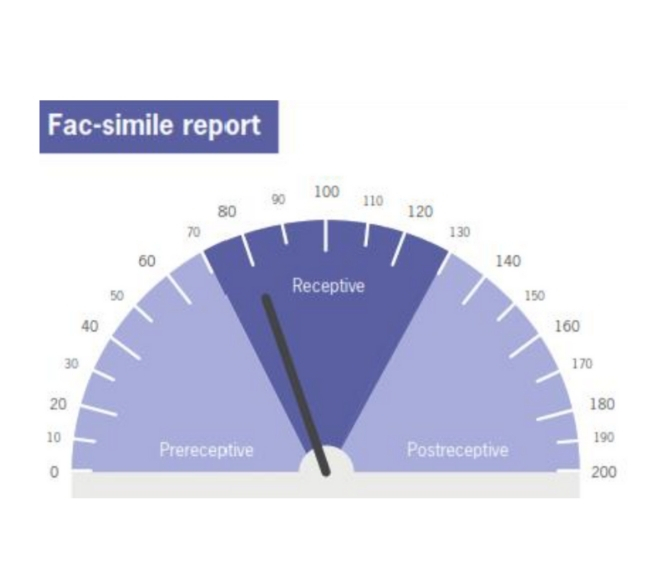
E-Ready is a test that assesses how receptive your womb is to receiving and implanting an embryo. The womb lining goes through significant changes to prepare itself for implantation. As cells morph and the immune system responds, our technology and genetic tests can track these changes to identify the optimal time for implantation. We analyse a small sample of endometrial tissue or endometrial fluid to identify the correct implantation window date, minimising the risk of implantation failure.

What is Involved?
A sample of endometrial tissue or endometrial fluid
Pre-eclampsia is defined as recent onset hypertension (arterial pressure ≥ 140/90 mmHg), and remains a leading cause of maternal and perinatal mortality and morbidity in Ireland. PE is defined as recent onset hypertension (arterial pressure ≥ 140/90 mmHg). Assays of pre-eclampsia biomarkers can be used for:
Placental growth factor (PIGF), together with pregnancy-associated plasma protein-A (PAPP-A), are biochemical markers for pre-eclampsia. Assays are performed during the first trimester of pregnancy to calculate the risk of early-onset (before 34 weeks of gestation) or late-onset pre-eclampsia (before 37 weeks of gestation). This calculation of risk includes data about the patient (BMI, smoker/non-smoker, geographic origin, etc.) their history (number of viable pregnancies, history of pre-eclampsia, hypertension) and about the pregnancy underway (dating, date of ultrasound, and craniocaudal length), in addition to blood pressure and a uterine artery Doppler.
The predictive assay is for patients between 20 and 37 weeks of gestation who are at risk of pre-eclampsia and exhibit at least one warning sign. A low sFlt-1/PlGF ratio (<38) facilitates the prediction of the likelihood of pre-eclampsia (and complications) at one week (NPV 99.3%).
Three Rock Road, Sandyford Industrial Estate, Dublin,D18 A4C0, Ireland

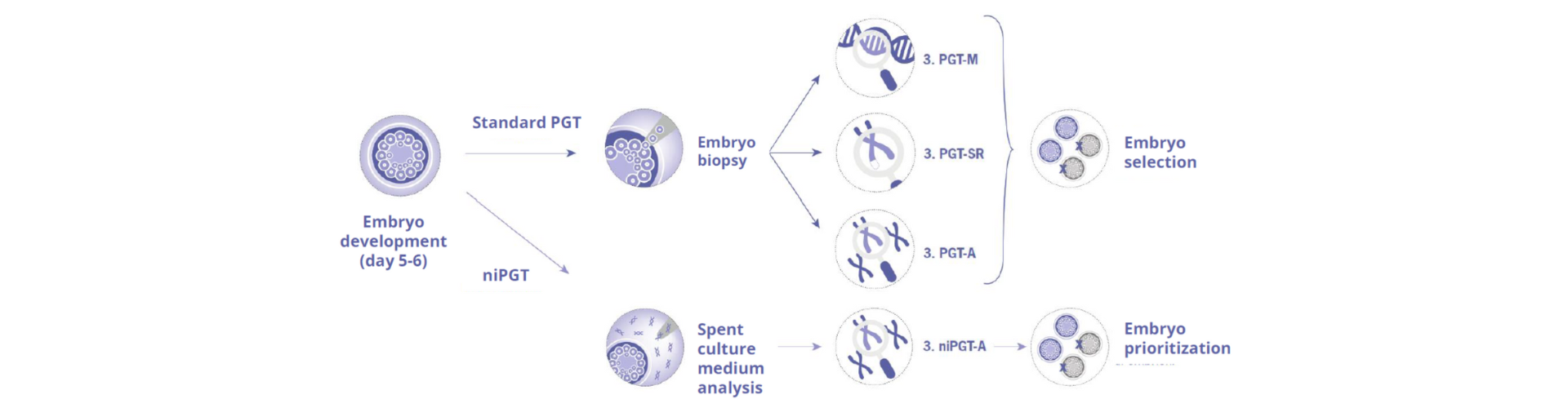
These tests are called PGT tests (Preimplantation Genetic Testing) and they help to select and check the health of the embyro’s before implantation into the womb. There are two types:
In use since 1998, this test checks the embyro on day 5/6 of pregnancy. It includes three tests:
What is Involved?
Trophectoderm Biopsy.
niPGT-A is an innovative procedure that allows the detection of chromosomal imbalance without manipulating the embryo. This test is based on the analysis of the embryo’s cell free DNA (cfDNA) that can be easily collected from the spent culture media where the embryo has rested for a few days. The use of the cfDNA avoids the need to biopsy the embryo.
What is Involved?
Spent culture medium.
Test Method: Next Generation Sequencing (NGS).
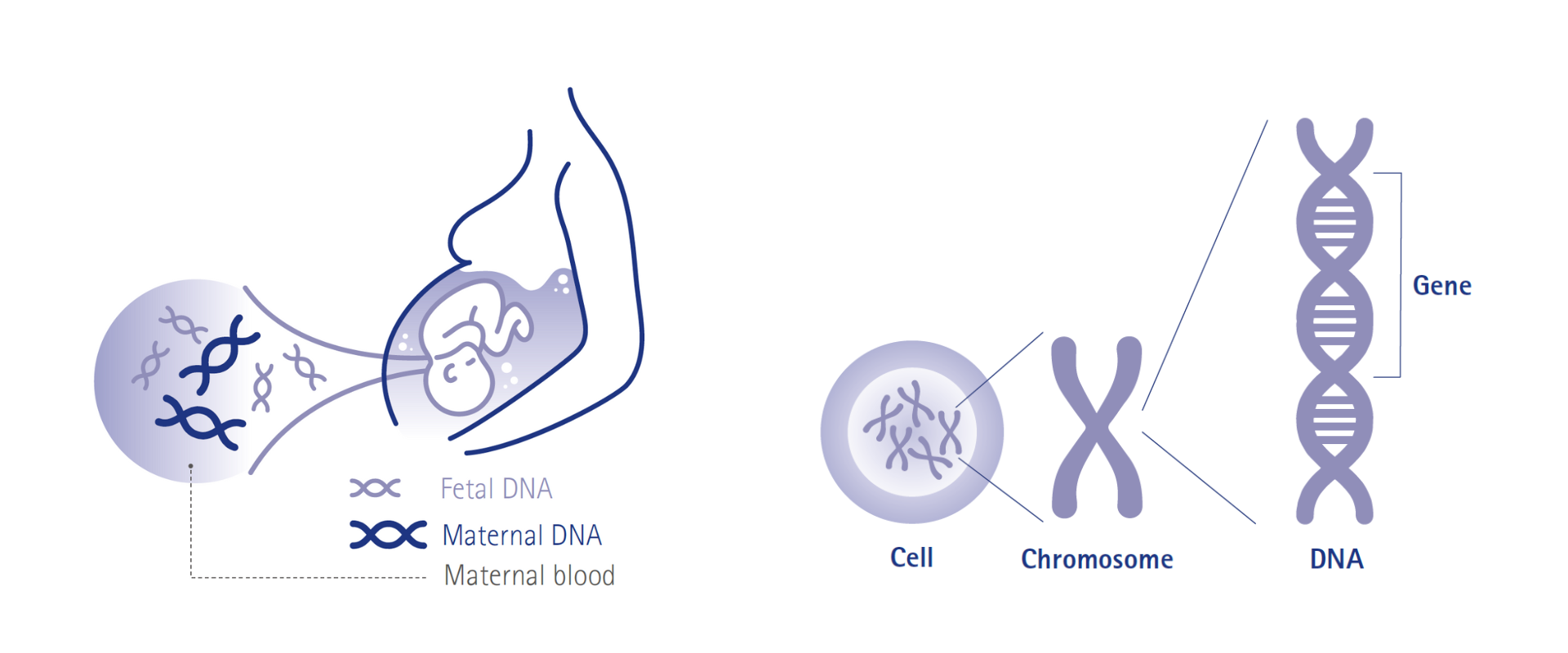
Non-invasive prenatal testing (NIPT) involves analysing the for cell-free foetal DNA (cffDNA) in a blood sample taken from the mother at the tenth week of gestation. This test is highly accurate with a sensitivity and specificity of >99% and poses no risk to the developing foetus. NIPT facilitates the identification of Trisomy 21 (Down Syndrome), 18 (Edward Syndrome) and 13 (Patau Syndrome), as well as aneuploidies of the sex chromosomes: Turner Syndrome (XO), Klinefelter Syndrome (XXY), Trisomy X (XXX), Jacobs Syndrome (XYY). In addition, NIPT can determine the sex of a foetus.

If the results of your NIPT are worrisome, an amniocentesis is conducted to confirm or rule out a diagnosis.

Genesafe is a complementary analysis to NIPT, and screens for conditions that are not covered by NIPT. There are four test options available:
Genesafe inherited – Screens for cystic fibrosis, deafness (autosomal recessive type 1A), beta thalassemia, and sickle cell anaemia in four genes
Genesafe de novo - Screens for 44 severe genetic disorders that not inherited from the parents in 25 genes, including:
GeneSafe Complete - Screens for a combination of inherited and de novo conditions.
Genesafe Paternal Age - As a man ages, the chance of mutations/errors occurring in sperm substantially increases. Disorders associated with advanced paternal (father) age typically are caused by DNA mutations arising during the development of the sperm cells.
What is Involved?
A blood sample collected from the mother on or after 10 weeks into the pregnancy.
Test Method: Next Generation Sequencing (NGS).
The genetic profile of an individual is comprised of half of the genetic profile from the mother and other half from the father. PaternitySafe facilitates verification of paternity in the earliest stages of pregnancy.
What is Involved?
PaternitySafe analyses a blood sample from the mother and a buccal swab from the father and can be performed from week 10 of gestation onwards.
Three Rock Road, Sandyford Industrial Estate, Dublin,D18 A4C0, Ireland