Eurofins Clinical Diagnostics Ireland is proud to be the HSE laboratory partner for BowelScreen, a public health initiative designed to combat colorectal cancer (CRC). Irish residents aged 57 to 71 years are eligible for a free home screening test. Those outside this age range can request the FIT privately from a clinic or GP.
Gastroenterology testing
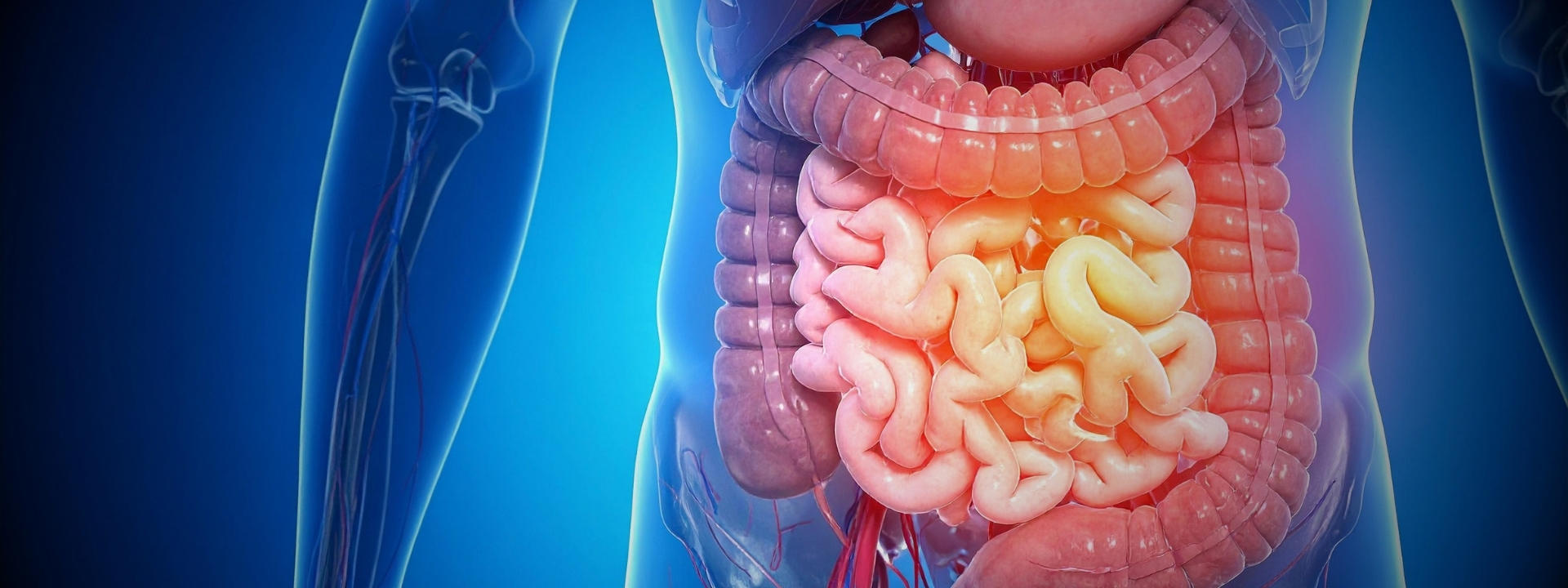
The gut - our second brain
In a lifetime, the average person consumes between 30 and 60 tonnes of food. The GI tract is a complex and finely tuned system, but it can malfunction. Eurofins Clinical Diagnostics Ireland provides targeted tests for various gastrointestinal concerns:
- Digestion and absorption health issues
- Protection from harmful external organisms and toxins
- Food allergies and intolerances
- Gut inflammation
- The gut microbiome
- Genetics and hereditary GI disorders
- Health screens to detect early stage bowel cancer
Digestion & Absorption Health Issues
Stomach acid not only helps to breakdown protein into amino acids but protects against pathogenic organisms and food antigens. Hypochlorhydria is associated with increased risk of Helicobacter pylori, Small Intestinal Bowel Overgrowth (SIBO), an increase in proximal small intestinal pH and decreased secretion of Intrinsic Factor, needed to absorb B12.
Helicobacter pylori is a public health issue affecting 25-30% of people in Ireland. It is associated with significant disease and is a cause of stomach ulcers and stomach cancer. We test for Helicobacter pylori.
Adequate amounts of specific digestive enzymes are required to digest food.
Pancreatic secretions can decrease with age and are adversely affected by Pancreatitis, Cystic Fibrosis, Diabetes, Gallstones and Inflammation.
Normal levels of pancreatic elastase in the stool indicate an optimally working pancreas. However, abnormal values of elastase point towards a pancreatic abnormality. Eurofins tests for Pancreatic Elastase Sufficiency.
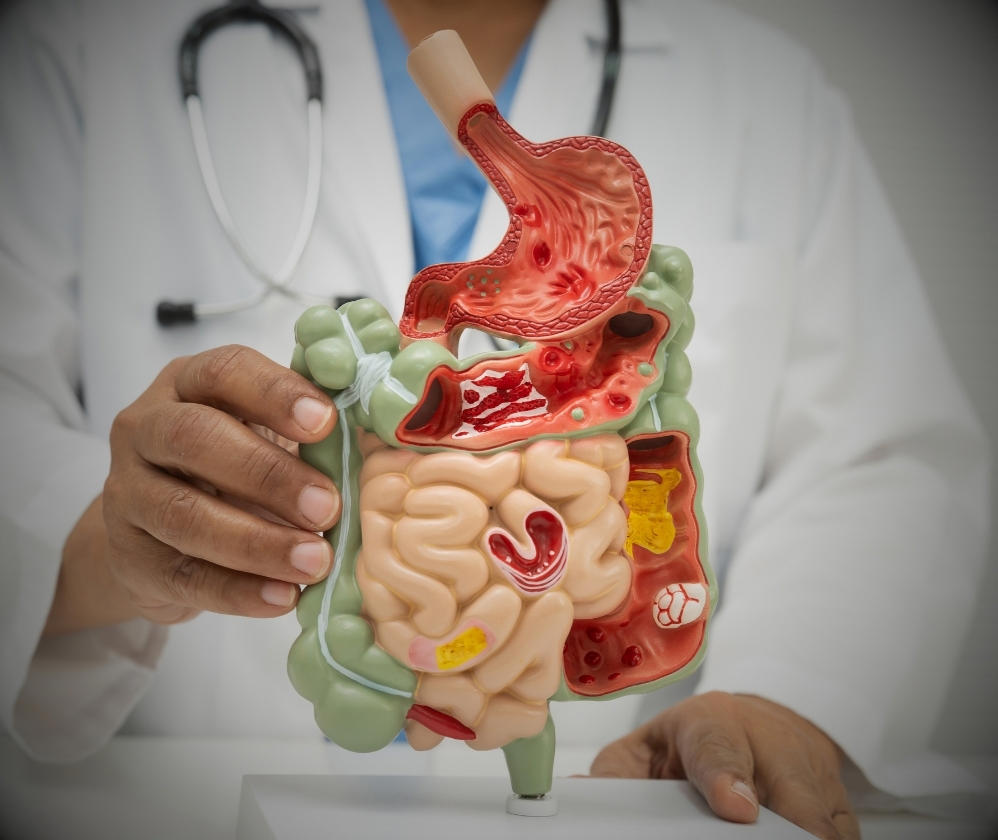
Gut dysbiosis has been identified as an important factor in the pathogenesis of liver disease.
Eurofins provide a range of Liver Function Tests. Adequate bile secretion is essential, we can measure conjugated (direct) bilirubin levels, which can indicate liver or bile duct problems.
DigestCheck
The gut is sometimes referred to as the body’s 2nd brain and plays a major part in maintaining our health. The balance between gut mucosa, flora and our immune system helps to compensate for the physiological or pathological variations caused by infection, inflammation or hyperpermeability.
This balance also plays a role in a variety of other chronic inflammatory or auto-immune diseases, regardless of whether or not there are digestive symptoms. DigestCheck will guide the specialist in selecting any additional examinations.
Profile tests performed:
| Physical/chemical examination | Faecal secretory IgA |
| Faecal beta-2 definsin | Faecal zonulin |
| Calprotectin | Faecal alpha-1 antitrypsin |
| Blood in stool |
Results within 3 weeks
VeggieCheck
Vegetarian and vegan diets are more and more popular among an increasingly environment and health conscious public. Associated dietary deficiencies can generally be easily managed if they are prevented by the appropriate supplements.
Regular monitoring of (micro)nutritional status, as provided by VeggieCheck, means that people on such diets can enjoy them safely and healthily.
Tests performed:
| Albumin | Vitamin B9 (erythrocyte) |
| Ferritin | Vitamin B12 |
| Zinc | Homocysteine |
| Vitamin A | Erythrocyte fatty acids |
| Vitamin D | Iodine |
Results within 4 weeks
Diagnostic solutions to test digestion, absorption and sufficiency
| The test | More information |
| Helicobacter pylori in stool | Learn more |
| Helicobacter pylori antibodies in serum | Learn more |
| Faecal pancreatic elastase | Learn more |
| Small Intestinal bowel overgrowth (SIBO) test | In-clinic test |
| Lactose intolerance test (self-test kit genetic) | Contact local laboratory |
| Vitamin B12 | Learn more |
| Anti-intrinsic factor antibodies | Learn more |
| Anti-parietal cell antibodies | Learn more |
| Liver function profile |
Bilirubin, ALT, ALP, AST, GGT, total protein, albumin, globulin (contact local lab) |
| Intestinal permeability |
Mannitol:lactulose in-clinic test |
| Coeliac Disease |
tTG-IgA, EMA-IgA & Genetic Test |

Protection from harmful external organisms
Pathogens can enter the gastrointestinal tract via the air we breathe, the water we drink, and the food we eat. Viruses such as norovirus, rotavirus, adenovirus, astrovirus, and sapovirus can cause infection of the GI tract, while bacterial gastroenteritis is commonly caused by campylobacteriosis.
Eurofins Clinical Diagnostics Ireland provide bacteriology, mycology and parasitology-based diagnostic testing. Stool cultures assess the relative balance of beneficial vs. harmful microbes, while routine screening of faecal samples includes identify harmful salmonella, shigella, E.coli 0157 and campylobacter species. Eurofins Clinical Diagnostic Laboratories also have the capability to test for vibrio cholerae if required.
Diagnostic solutions - bacteriology-parasitology-mycology
Eurofins Clinical Diagnostics Ireland provide bacteriology, mycology and parasitology-based diagnostic testing. Stool cultures assess the relative balance of beneficial vs. harmful microbes, while routine screening of faecal samples includes identify harmful salmonella, shigella, E.coli 0157 and campylobacter species. Eurofins Clinical Diagnostics laboratories also have the capability to test for vibrio cholerae if required.
Protection from toxicity
Eurofins Clinical Diagnostics Ireland test for both essential and non-essential metals. Both essential and non-essential heavy metals can become toxic if their concentrations exceed certain thresholds.
Food allergies and intolerances

Food allergies and intolerances irritate the GI, cause inflammation and account for a diverse range of symptoms from migraines to skin problems to cardiovascular disease and gastrointestinal disorders.
Gut inflammation

Inflammation can be triggered by infections, trauma, autoimmunity or allergy. Eurofins Clinical Diagnostics Ireland offers a faecal calprotectin test, which measures a protein in the stool that indicates intestinal inflammation, helping to distinguish between inflammatory bowel diseases (IBD) like Crohn's and ulcerative colitis and functional disorders like irritable bowel syndrome (IBS).
In addition, we offer a fatty-acid analysis to assess omega 3:6, omega 3 and trans-fats status, which mediate the inflammatory response.
Diagnostic solutions for inflammation
| The test | More information |
|
Calprotectin |
|
|
Fatty-acid analysis |
|
|
Inflammation profile |
Bowel cancer screening in Ireland
Bowel cancer is one of the most common types of cancer in Ireland, with around 2,800 people diagnosed every year. When detected early, bowel cancer is very treatable.
Stage 1: 90%-95% survival at 5 years
Stage 4: 8%-16% survival at 5 years
Initial screening test
Advanced screening test
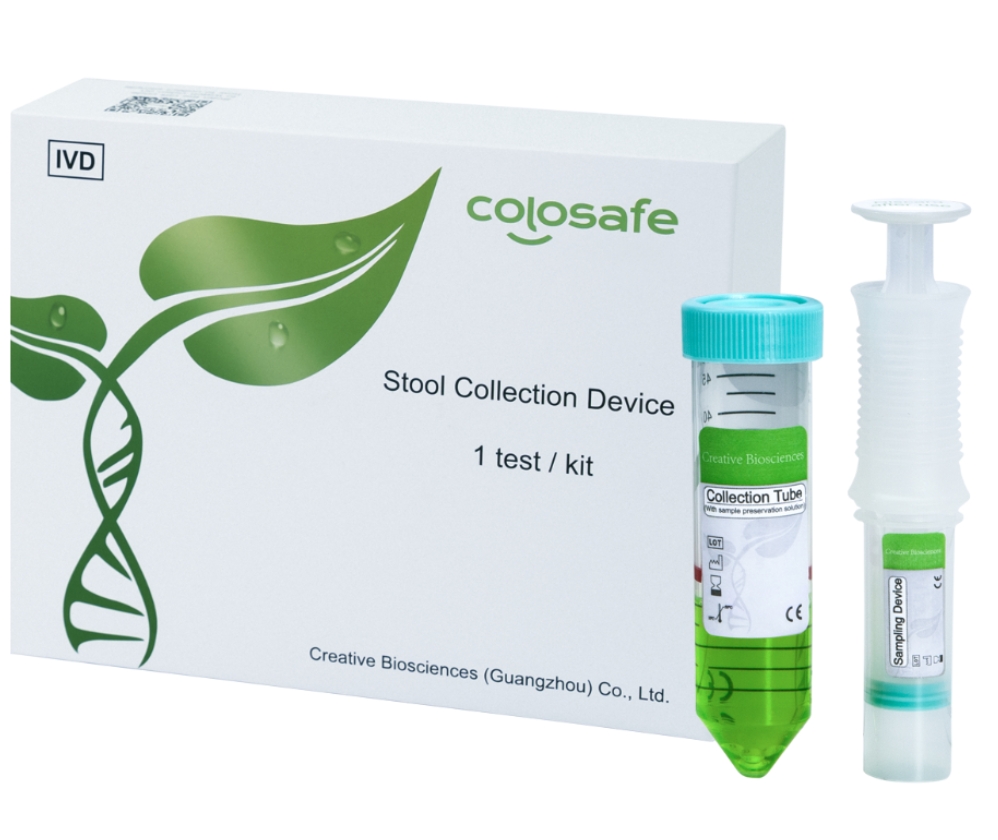
ColoSafe® is a next-generation stool DNA test that detects the methylated SDC2 gene, a biomarker that is always elevated in bowel cancer.
A retrospective study was completed by St Vincent's Hospital, Dublin,(2026) a prospective study is underway. An inter-laboratory comparison study between Eurofins molecular lab in Dublin and DHS – Diagnostic HealthCare Solutions GmbH, Germany was completed (2026).
With long waiting lists for colonoscopies, ColoSafe® will help to prioritise higher-risk cases.
The gut microbiome
The beneficial symbiotic microflora that reside in the large intestine work in tandem with the immune system to promote a healthy GI tract. Microbiomes vary among healthy people, change with age, and are affected by dietary changes, medications, ethnicity, geography and lifestyle. The challenge facing microbiome diagnostics is that there is no unified definition of a ‘healthy’ microbiome.
Diagnostic Solutions
Coming soon
Genetics and hereditary GI disorders
Haemochromatosis is an inherited condition that causes excessive iron absorption from food, and is more common in Ireland than anywhere else in the world. In excess, iron becomes a free radical and can cause serious health complications.
Diagnostic Solution
Haemochromatosis Test. Requires Whole blood EDTA. Requires genetic consent from the patient.
Coeliac disease (HLA-DQ2 and HLA-DQ8)
Coeliac disease is a lifelong auto-immune condition affecting approximately 1 in 100 people. Coeliac disease is caused by gluten, a protein found in wheat, rye, barley and oats, which causes an inflammatory response in the gut in affected individuals, damaging the villi in the small intestine. Symptoms can range from mild to severe and can come and go, complicating a quick diagnosis. Milder cases may go undiagnosed or misdiagnosed as other digestive conditions such as irritable bowel syndrome (IBS).
Diagnostic Solutions
A blood sample tests for tissue transglutaminase (tTG) and IgA antibodies against tTG. Both are highly sensitive markers for coeliac disease and dermatitis herpetiformis.
IgG antibodies against tTG are less specific but helpful in people with IgA deficiency.
Digestive cancer panel
5 to 10% of cancers are linked to inherited genetic mutations. If there is a strong family history of GI cancers, genetic testing can help enormously. Eurofins Clinical Diagnostics Ireland’s Digestive Tube Panel allows clinicians to identify individuals at high risk for hereditary digestive cancers and provide appropriate genetic counselling and personalised management strategies for patients and their families. The panel includes 14 genes associated with hereditary predisposition to digestive tract cancers:
APC (adenomatous polyposis coli)
BMPR1A (bone morphogenetic protein receptor type 1A)
CDH1 (cadherin 1)
EPCAM (epithelial cell adhesion molecule)
MLH1 (MutL homolog 1)
MSH2 (MutS homolog 2)
MSH6 (MutS homolog 6)
MUTYH (O-methylguanine-DNA methyltransferase)
PMS2 (postmeiotic segregation 2)
POLD1 (polymerase delta 1)
POLE (polymerase epsilon)
PTEN (phosphatase and tensin homolog)
SMAD4 (SMAD family member 4)
STK11 (serine/threonine kinase 11)
The digestive tract panel helps clinicians to:
Identify individuals at high risk for hereditary digestive cancers.
Provide appropriate genetic counselling and personalised management strategies for patients and their families.
Find a local laboratory

Three Rock Road, Sandyford Industrial Estate, Dublin,D18 A4C0, Ireland