Medical testing in microbiology
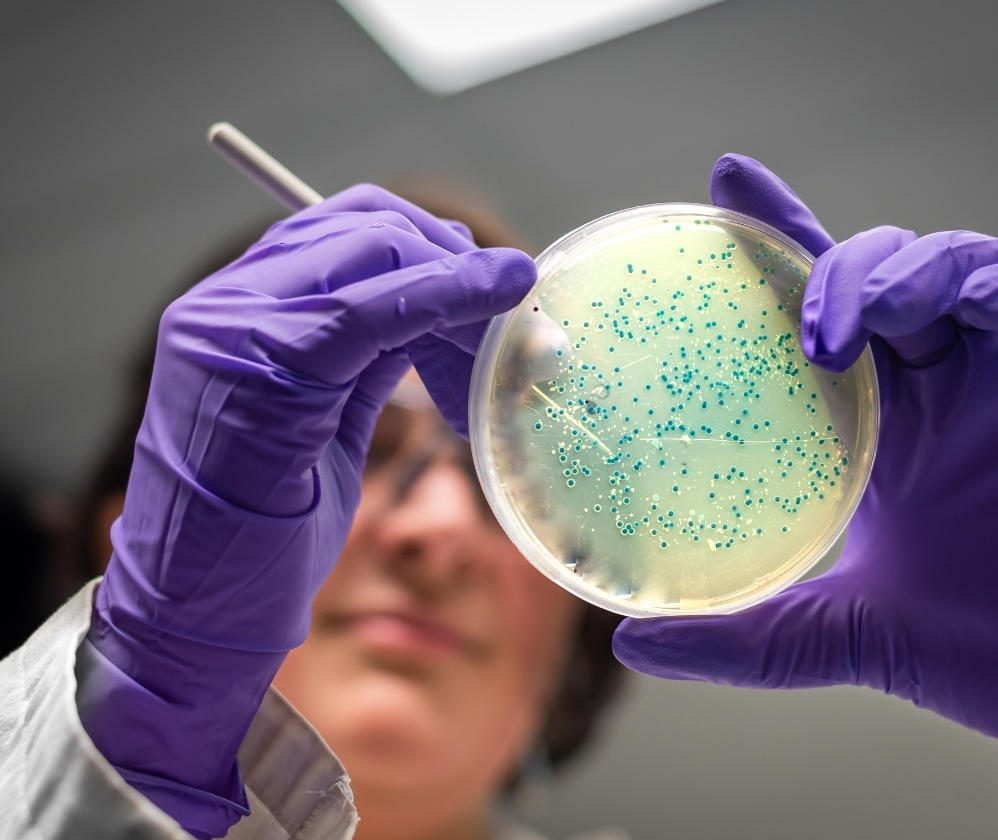
Testing helps fight antimicrobial resistance
The laboratory is home to a 25-strong team of Senior Medical Scientists, Medical Scientists, Clinical Scientists, Laboratory Technicians, and Laboratory Aides, led by Consultant Microbiologist Dr. Brian Carey and Chief Medical Scientist Des McNulty.
Microbiology laboratories in Ireland play a crucial role in public health, disease management and surveillance. Their importance has been underscored by the COVID-19 pandemic and the ongoing challenge of antimicrobial resistance (AMR).
Antibiotics have saved millions of lives. However, their over-use and misuse has led to antimicrobial resistance (AMR), enabling micro-organisms including bacteria, viruses, fungi, and parasites, to grow and thrive. Infections caused by antimicrobial-resistant organisms are difficult to treat, causing severe illness and even death. Antibiotic resistance can happen to anyone, irrespective of age, gender, and location.
Testing for antibiotic resistance is therefore of the utmost importance. Eurofins Clinical Diagnostics Ireland plays an important role in preserving the efficacy of antibiotics in the Irish population, conducting medical laboratory testing to determine whether antibiotics are necessary and ensure the most effective antibiotic and dosage is administered.
Eurofins Clinical Diagnostics Ireland’s microbiology services
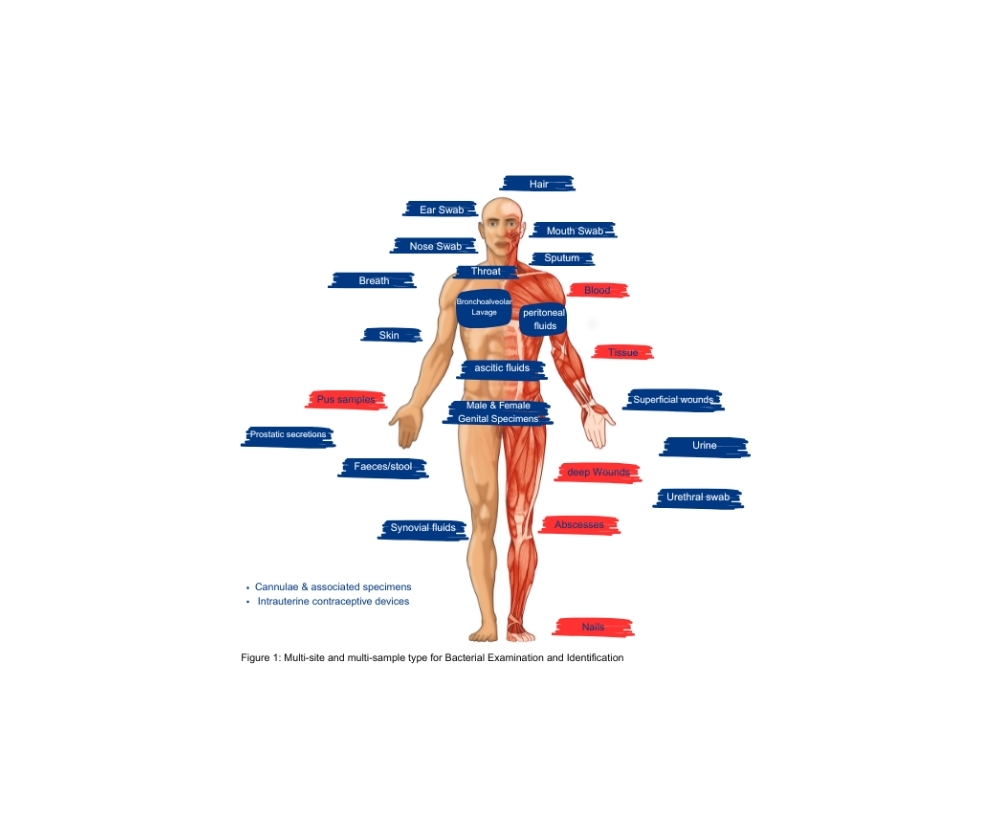
Bacteriology examinations start with the collection of samples, which can originate from multiple sites on the human body or from medical equipment (Figure 1).
Our team perform culture and sensitivity (C&S) tests, which involve growing bacteria in specialised media to allow for their identification and characterisation. Microbial identification is performed both manually using staining, spot tests and analytical profile indexes (API), and using automated methods.
The Sysmex UF-5000 is a fully automated urine particle analyser that uses fluorescent flow cytometry to analyse urine samples. The Sysmex UF-5000 is leveraged in tandem with our urine culture and microscopy capabilities to provide a complete urinalysis workflow for each patient.
Antimicrobial susceptibility is assessed according to European Committee on Antimicrobial Susceptibility Testing (EUCAST) standards using both Vitek platforms, MICs, Etests and disc diffusion tests to identify the real-time sensitivity or resistance of bacteria to different antibiotics. Screening for multi-drug-resistant bacteria including MRSA, CPE, VRE, ESBL and AmpC’s is conducted within rapid turnaround timelines.
We test for many species from multiple body areas
|
Abscesses & deep-seated wound infections Organisms most commonly isolated include:
|
Skin, superficial & non-surgical wounds Organisms most commonly isolated include:
|
|
Mouth infections
|
Ear infections
|
|
Female genital
|
Throat infections
|
|
Male genital
|
Faecal specimens
|
|
Nasal infections
|
Urinary infections
|
Figure 2: Examples of the species that Eurofins Microbiology laboratory identify through testing.
Three frequently requested tests in Ireland
Urinary tract infections (UTIs)
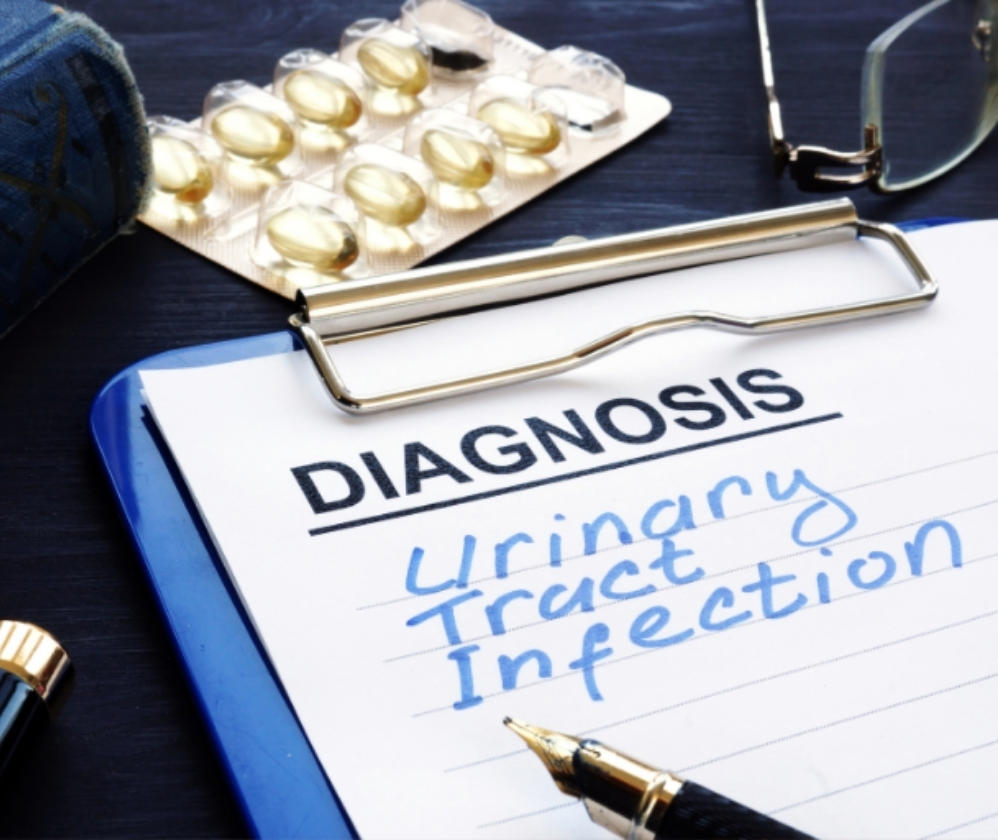
Urinary tract infections (UTI) result from the presence and multiplication of micro-organisms in one or more structures of the urinary tract. This can give rise to a wide variety of clinical syndromes, including acute and chronic pyelonephritis (kidney and renal pelvis), cystitis (bladder), urethritis (urethra), epididymitis (epididymis) and prostatitis (prostate gland). Infection may spread to surrounding tissues (e.g. perinephric abscess) or to the bloodstream.
E. coli remains the most common cause of complicated UTIs, although other frequent isolates include Klebsiella sp., Enterobacter sp., Proteus sp., Enterococcus sp. and Pseudomonas aeruginosa. Staphylococci and streptococci can also cause uncomplicated infections such as Staphylococcus saprophyticus and Group B Streptococcus.
Helicobacter pylori
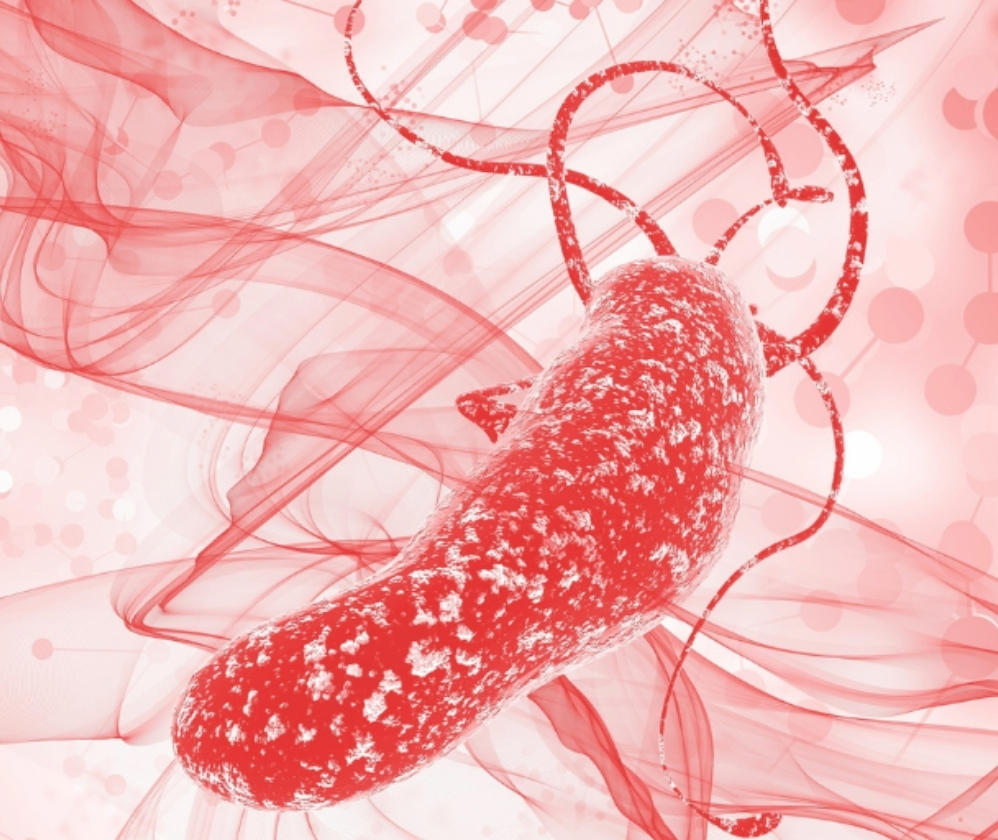
Helicobacter pylori (H. pylori) infection is a major public health issue and is one of the most common infections in adults in Ireland. It is the main cause of chronic gastritis, peptic ulcers, gastric adenocarcinoma and mucosa-associated lymphoid tissue lymphoma. Antibiotic resistance is one of the main reasons for H. pylori treatment failure.
Eurofins Clinical Diagnostics Ireland has conducted extensive research in the area and offers a range of analyses for Helicobacter pylori, including:
- Helicobacter pylori stool antigen
- Serology tests for H. pylori antibodies
Clostridium difficile
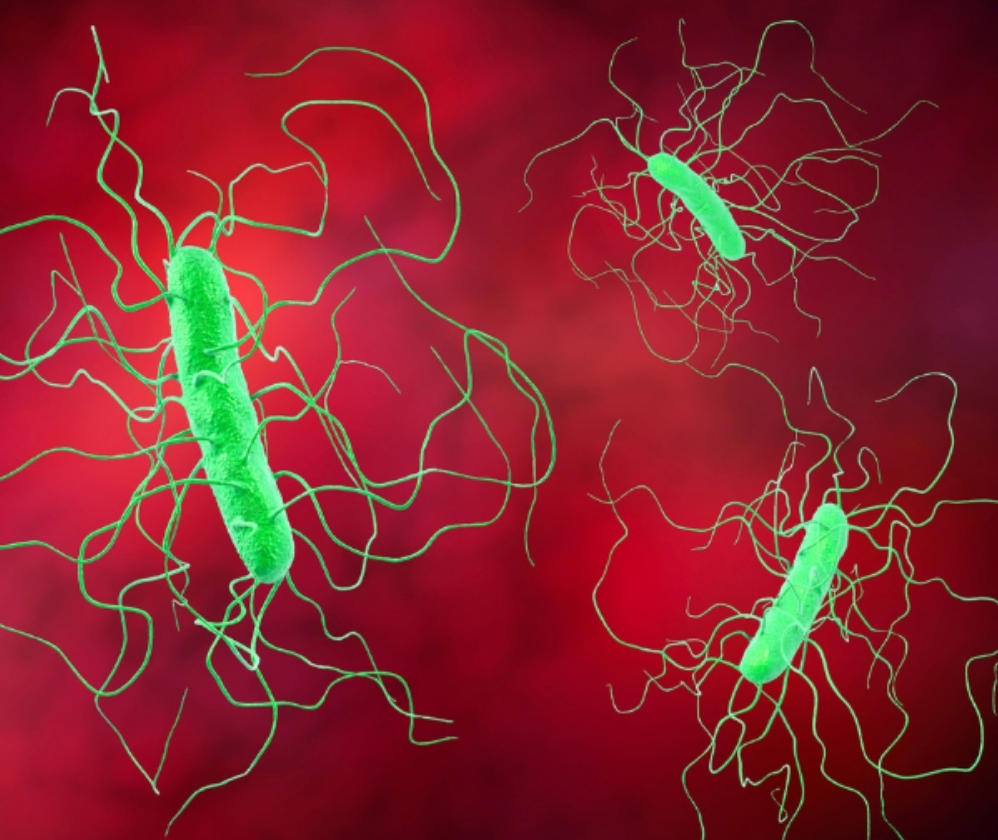
Clostridium difficile(C. diff) is a leading cause of nosocomial diarrhoea. The production of the enterotoxin, Toxin A (TcdA) and the cytotoxic Toxin B (TcDB) causes mucosal damage consisting of plaque-like lesions, which gives rise to the formation of a pseudo-membrane in the large intestine.
Test protocol
A GDH screening test is initially performed on a stool sample requesting C. difficile. If this is negative, C. difficile infection is highly unlikely, and no further testing is required.
If the GDH screen is positive, C. difficile toxin testing is performed. If this toxin test is positive, C. difficile infection is highly probable, and the sample is reported as positive.
If the C. difficile toxin testing is negative, we recommend testing samples for confirmatory PCR testing. Clinicians will be contacted before a sample is referred for PCR testing.
Find a local laboratory

Three Rock Road, Sandyford Industrial Estate, Dublin,D18 A4C0, Ireland
Mycology
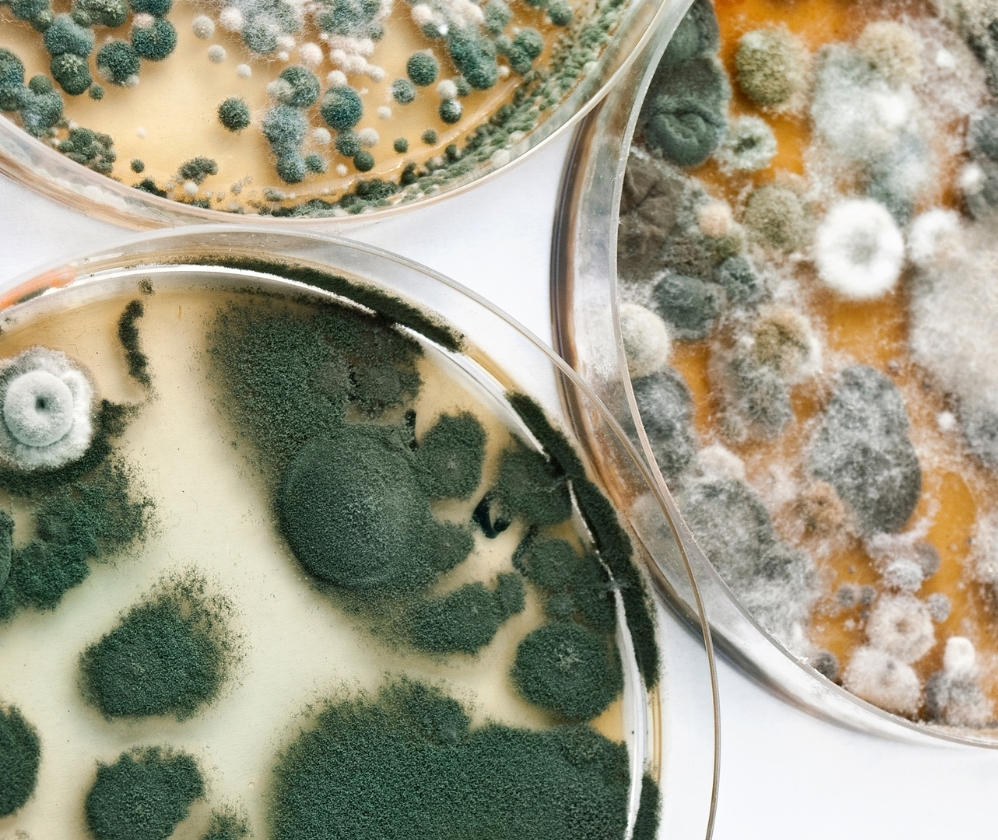
Mycology examinations utilise microscopy and culture techniques to aid in the identification of pathogenic moulds and yeast. Fungal infections due to Aspergillus, Candida, Pneumocystis, and Cryptococcus are among the leading causes of morbidity and mortality in individuals with a weakened immune system. Fungal organisms can be inhaled, ingested or acquired through trauma to the body. The most common fungal tests we perform are on ear swabs, hair and nails, and skin scrapings.
Parasitology
Most parasitic diseases occur after being abroad or following travel. The spread and distribution of many parasites throughout the world is largely due to human activities. Our parasitological examinations are performed using a formalin-ethyl acetate sedimentation concentration technique and microscopy to aid in the real-time identification of gastrointestinal parasites. Urine microscopy for Schistosoma spp. and Sellotape slides for Enterobius vermicularis are also available.
Investigation of stool and urine for ova, cysts and parasites
Figure 3: This table provides some examples of the parasites we identify in our laboratory.
Protozoa |
|
Giardia lamblia - The parasite attaches to epithelial cells, causing mucosal inflammation, villous atrophy, malabsorption Notifiable disease |
|
Blastocystis hominis - detected in IBS and IBD |
|
Entamoeba histolytica - local tissue damage - can affect other organs |
|
Cryptosporidium - atrophy of villi, malabsorption syndrome Notifiable disease |
|
Dientamoeba fragilis - associated with dev of Colitis, IBD, IBS |
|
|
Helminths |
|
Enterobius vermicularis (Oxyuren) - pinworm/threadworm, seat worm |
Find a local laboratory
Three Rock Road, Sandyford Industrial Estate, Dublin,D18 A4C0, Ireland