Pharmacogenomic Testing

PGx cannot identify the ‘perfect’ medication but can determine which medication is most likely to work, least likely to work, or likely to cause an adverse reaction. PGx allows for an individualised, patient-centric approach to pharmaceutical intervention and has been shown to reduce adverse drug reactions by 30%.
What medicines will benefit from PGx testing?
Pharmacogenomic testing is not yet available for every medication or every medical condition. Eurofins Clinical Diagnostics Ireland’s PGx report is based on international guidelines from CPIC, DPWG, SEFF, and recommendations from regulatory authorities such as EMA, FDA, and Swissmedic.
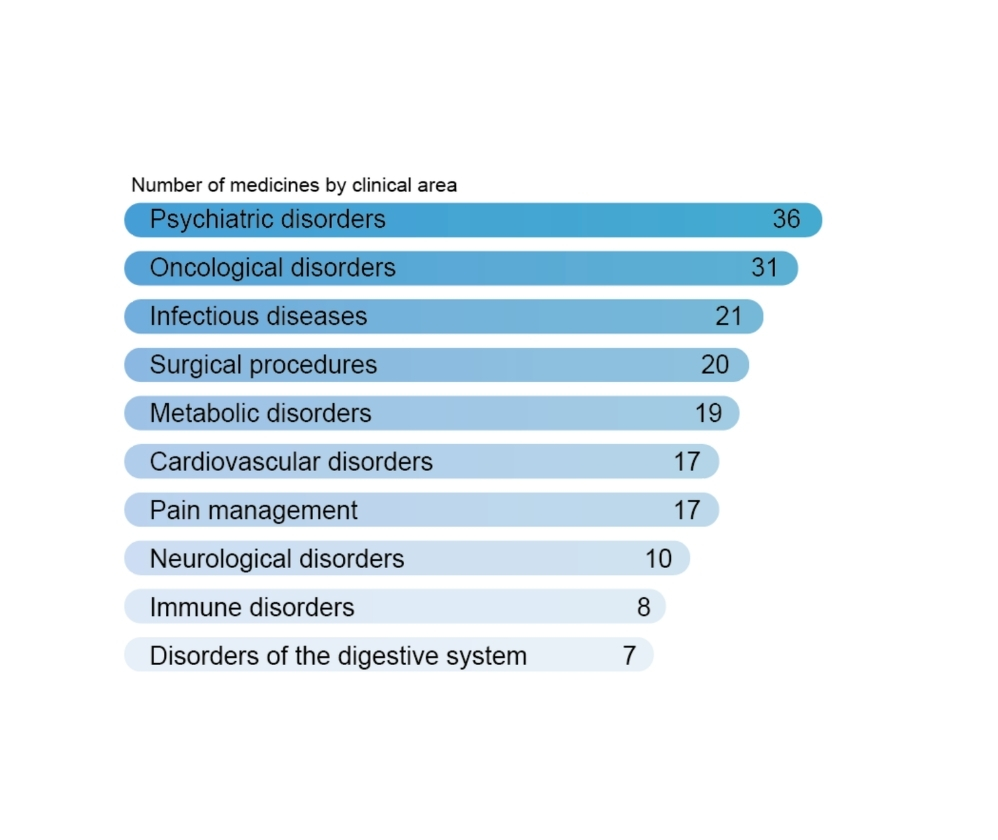
We only report on variants backed up by strong scientific evidence, which currently equates to over 100 medications in 10 clinical areas for which known genomic variants are sufficiently influential to inform the guidelines for prescribing those medications. As science evolves, we will update our drug list.
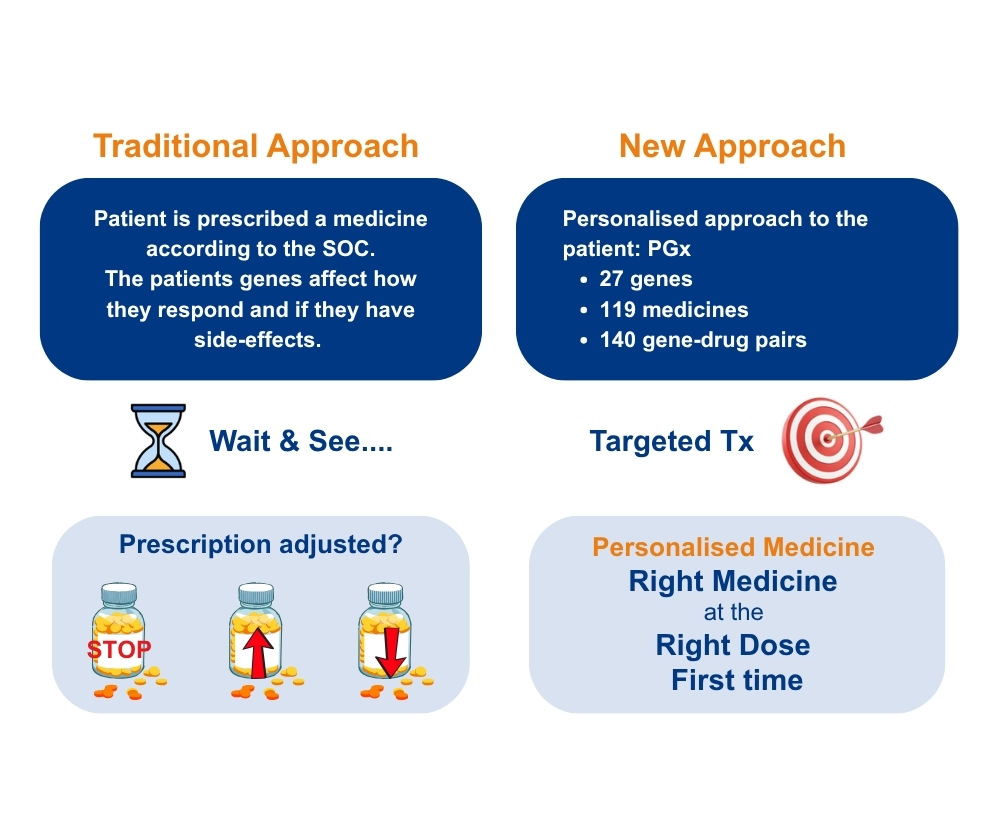
A new approach to prescribing drugs
PGx & psychiatric medicines
PGx is a particularly powerful tool for psychiatry. Up to 40% of patients endure weeks or months of ineffective treatment before trying another medication. Psychiatric medications include anti-depressants, anxiolytics, and anti-psychotics. 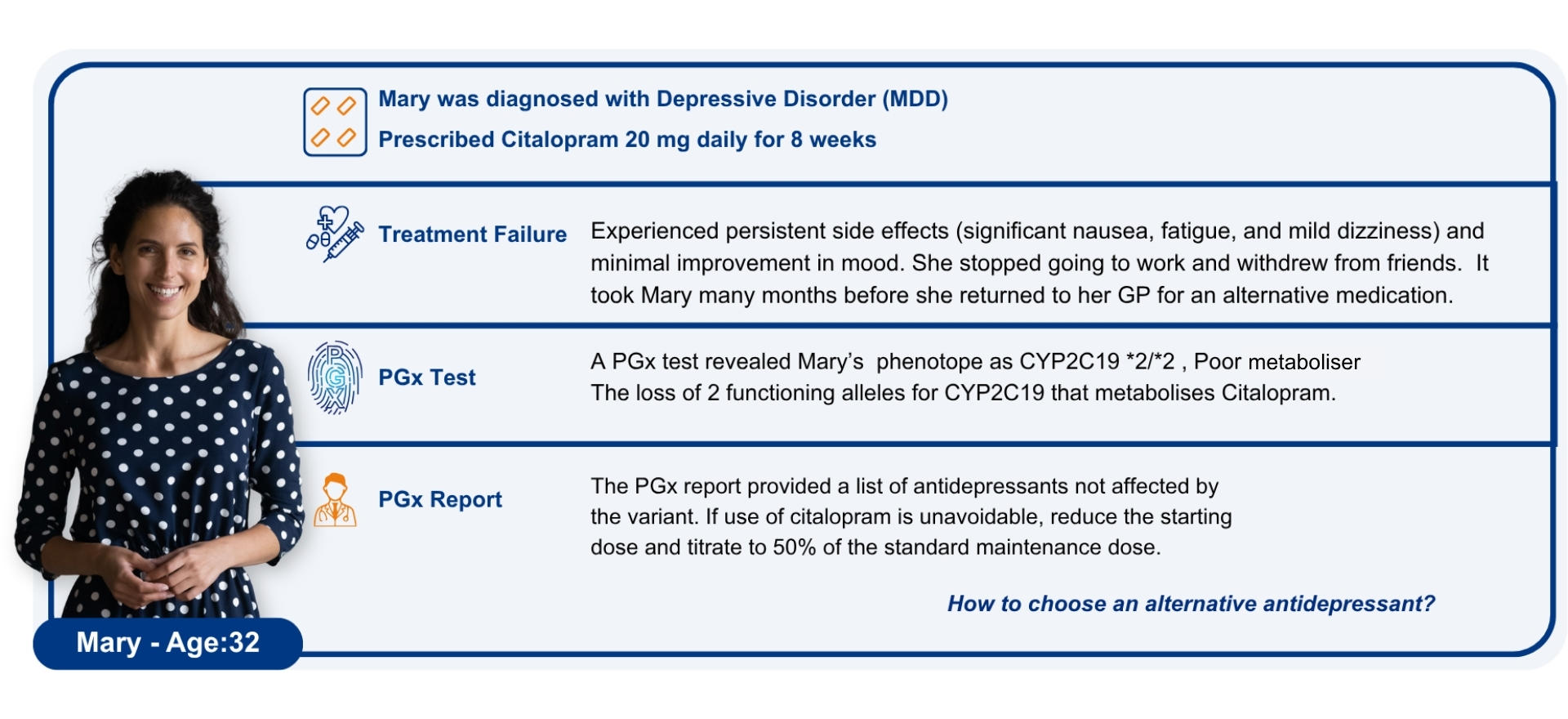
Moving away from trial & error
A PGx test report allows clinicians to avoid the trial-and-error prescription process and prescribe medications more safely and effectively.
Personalised prescription
The PGx report, which both the patient and clinician receive, reveals the genetic characteristics (we refer to these as variants) present and highlights their potential relevance to drug therapy safety and efficacy.
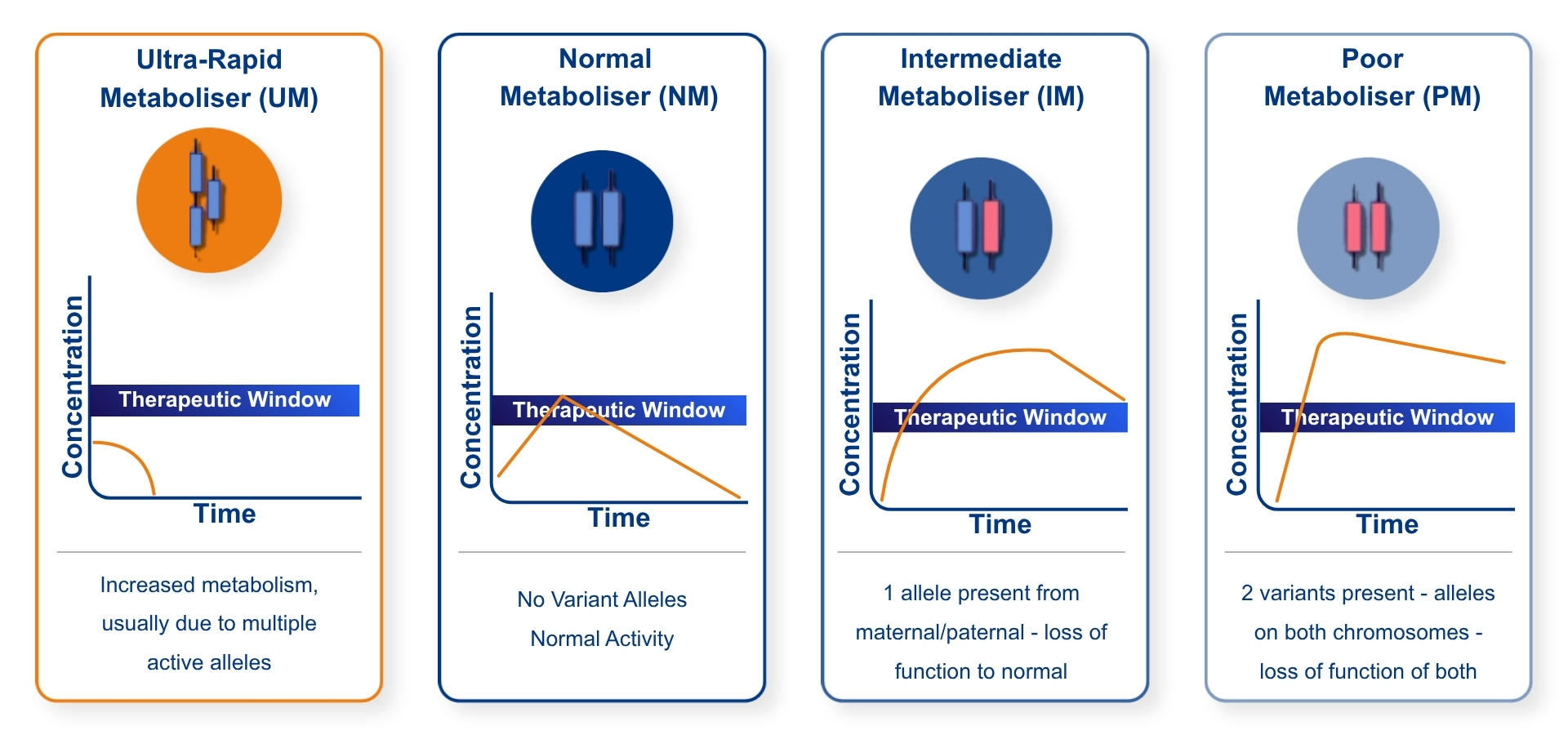
Depending on the variants found, some active drug ingredients can be metabolised or excreted more quickly or more slowly and thus have a weaker or stronger effect. This could lead to side effects, hypersensitivity reactions or a lack of effect when taking the drug.
View Sample Report.
Download Test Request Form
Drug metabolism
PGx testing will become a routine companion diagnostic
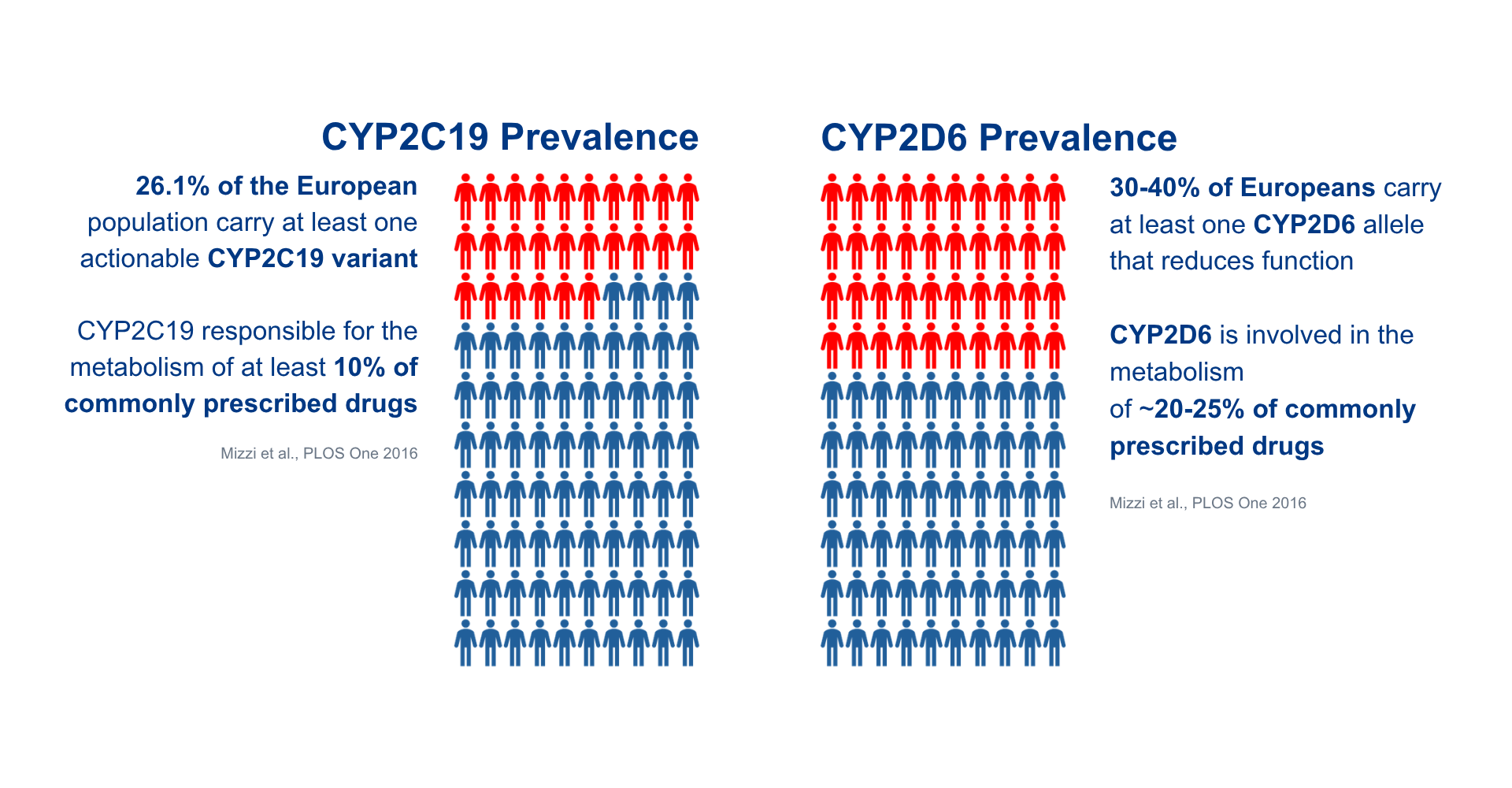
Pharmacogenomics (PGx) is a diagnostic tool that identifies the presence of genetic variants in patients which affect the efficacy and safety of pharmaceutical drugs. For example, the CYP2D6 gene is involved in the metabolism of up to 25% of commonly prescribed drugs.
Learn more about PGx
Drug-drug interactions, weight, age, lifestyle and other external environmental factors will impact how a patient responds to medicines. This test is not suited to patients who have had a bone marrow, stem cell, liver or kidney transplant in their lifetime, or received a blood transfusion in the previous four weeks.
Find a local laboratory

Three Rock Road, Sandyford Industrial Estate, Dublin,D18 A4C0, Ireland



Find a local laboratory
Three Rock Road, Sandyford Industrial Estate, Dublin,D18 A4C0, Ireland