Respirable crystalline silica

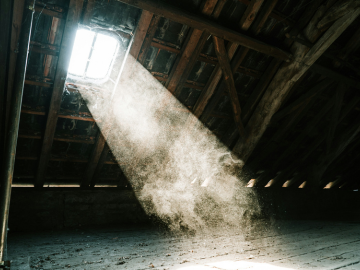
About two million construction workers are exposed to respirable crystalline silica (RCS) in over thousands of workplace settings. OSHA estimates that out of the over 2 Million workers exposed to RCS, more than 840,000 of these workers are exposed to silica levels that exceed the new permissible exposure limit (PEL) from 2017. Exposure to respirable crystalline silica can cause silicosis, lung cancer, other respiratory diseases, and kidney disease. Exposure can occur during common construction tasks such as using masonry saws, grinders, drills, jackhammers and handheld powered chipping tools; operating vehicle-mounted drilling rigs; milling; operating crushing machines; and using heavy equipment for demolition or certain other tasks.
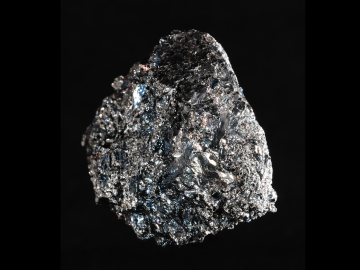
Crystalline silica is one of the most common mineral components found in the earth’s crust. Crystalline silica is found in numerous materials including sand, stone, rock, concrete, brick, glass, ceramics, block and mortar. Crystalline silica may become respirable size particles, and hazardous to respiratory health when workers chip, cut, drill or grind objects that contain crystalline silica. OSHA significantly lowered the PEL and Action Levels for Respirable Crystalline Silica in 2017. Select Eurofins Built Environmental Testing (EBET) laboratories perform X-Ray Diffraction analysis of air, bulk and other material samples (talc). EBET employs PANalytical CubiX³ HR X-Ray Diffractometer (XRD). The XRD was custom-manufactured in the Netherlands specifically for the detection and identification of Respirable Crystalline Silica as low as 1 µg. With the new patented technology, samples that used to take hours can now be completed within minutes.
OSHA ID-142/NIOSH 7500 (mod) –Crystalline Silica by XRD (Quartz, Cristobalite, and Tridymite)
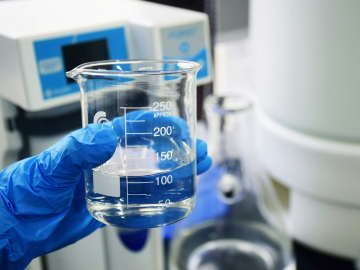
Using the OSHA-mandated NIOSH 7500 analytical method, samples are collected by drawing workplace air through 5-μm pore size, 37-mm diameter low ash polyvinyl chloride (PVC) filters preceded by 10-mm nylon Dorr Oliver or PPI unit. The PVC filters are dissolved and the samples are suspended in tetrahydrofuran (THF) or reduced using Plasma Etcher Asher (Low Temperature Asher) technology. The samples are then deposited on silver membranes and analyzed by X-ray diffraction (XRD). Although no longer required by the new OSHA standard for determination of the PEL, the Total Respirable Dust can be provided if the client employs pre-weighed filters prior to collecting the samples. The NIOSH method identifies silica as quartz, cristobalite and tridymite. The OSHA method excludes tridymite, stating the polymorph “is less common” and a “standard reference material is not readily available”. In 2025, the Mining Safety and Health Administration (MSHA) revised their RCS Ruling. It is similar to OSHA’s PEL and Action Levels at 25ug/M3. The MSHA Revised Silica Ruling has a number of other features concerning a host of requirements for monitoring, training, and site management. Our EBET CIH and laboratory professionals can provide updates on these regulatory requirements.
Have questions about our capabilities? Contact Eurofins Built Environment Testing today for your testing needs. An expert is only a click away.