Chromium VI and berylium

Chronium
Hexavalent chromium [Cr(VI)] is one of the valence states (+6) of the element chromium. It is usually produced by an industrial process. Cr(VI) is known to cause cancer. In addition, it targets the respiratory system, kidneys, liver, skin and eyes. OSHA requires employers to determine Cr(VI) exposures to employees. Options for exposure determinations include initial and periodic air and surface dust monitoring.
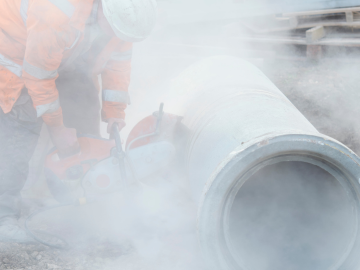
Chromium metal is added to alloy steel to increase hardenability and corrosion resistance. A major source of worker exposure to Cr(VI) occurs during “hot work” such as welding on stainless steel and other alloy steels containing chromium metal. Cr(VI) compounds may be used as pigments in dyes, paints, inks, and plastics. It also may be used as an anticorrosive agent added to paints, primers, and other surface coatings. The Cr(VI) compound chromic acid is used to electroplate chromium onto metal parts to provide a decorative or protective coating. In 2006 it was estimated that 558,000 workers were exposed to Cr(VI) in the United States. Workers in a variety of occupations are potentially exposed to Cr(VI). Workplace exposures occur when welding/cutting stainless steel and other metals that contain chromium, when applying spray applying chromium containing paints and coatings, or when operating chrome plating baths.
Beryllium
The element beryllium is a metal which is a strong and yet light weight primarily used as a hardening agent in metal alloys, as an additive in electronics, and in defense applications. The world’s beryllium production is manufactured by the extraction primarily from the mineral beryl and bertrandite
Beryllium is highly sought after due to its ability to increase hardness and resistance to corrosion when combined with other metals such as aluminum, cobalt, copper, iron, and nickel to make alloys. These metal alloys have added increased thermal conductivity, thermal stability, and low density which makes them used extensively in aerospace industries for aircraft, missiles, spacecraft, and satellites. Other industries such as telecommunications, information technology, defense, medical, and nuclear industries make use of beryllium and as such it has been classified as “a strategic and critical material” by the U.S. Department of Defense.
Other industries utilize beryllium’s unique properties that include transparency to X-rays and ionizing radiation making it the most common window material for X-ray equipment and in particle physics experiments. And finally, its high thermal conductivity has made it utilized extensively in heat transport and heat sinking applications.
Unfortunately, inhalation of beryllium particulates may cause a potential health risks for workers in industries where beryllium is present. Inhalation of beryllium can cause acute berylliosis and result in lung inflammation, breathlessness, and sometimes skin or eye irritation. Symptoms develop more slowly due to chronic exposure. The inhalation of beryllium in the air or contacting beryllium on work surfaces can cause an immune response that results in an individual becoming sensitized to beryllium. Once sensitized, individuals are at risk for developing a debilitating disease of the lungs called chronic beryllium disease (CBD) if they inhale airborne beryllium.
Additionally, exposed workers are found to have an increased risk of lung cancer. The International Agency for Research on Cancer (IARC) lists beryllium and beryllium compounds as Category 1 carcinogens. Both OSHA and NIOSH have set exposure limits for beryllium which are on par with other toxic metals such as mercury and arsenic.
Have questions about our capabilities? Contact Eurofins Built Environment Testing today for your testing needs. An expert is only a click away.