Respirable and Total Dust
NIOSH 0500/0600
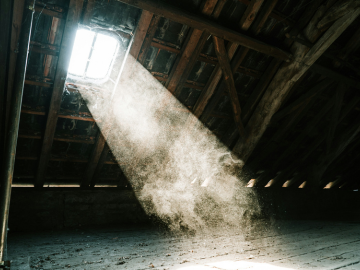
Dusts are fine solid particles, ranging in size from below 1 µm up to at least 100 µm, which may be or become airborne, depending on their origin, physical characteristics, and ambient conditions.
While airborne dusts are ubiquitous in many environments, some may be of particular concern because they are well known to be associated with classical widespread occupational lung diseases such as the pneumoconiosis, as well as with systemic toxicity from airborne hazards such as lead poisoning, especially at higher levels of exposure. But, in the modern era, there is also increasing interest in other dust-related diseases, such as cancer, asthma, allergic alveolitis, and irritation, as well as a whole range of non-respiratory illnesses, which may occur at much lower exposure levels.
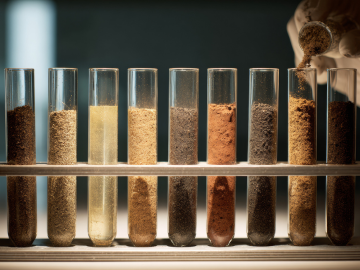
Types of dust found in the work environment include:
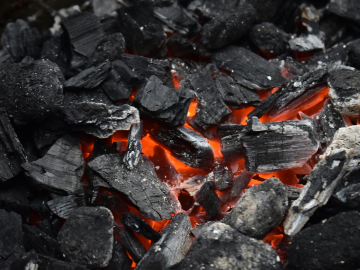
- mineral dusts, e.g., crystalline silica, asbestos, coal, and cement.
- Metal oxide dusts, such as lead, cadmium, nickel, and beryllium.
- other chemical dusts, e.g., bulk chemicals and pesticides.
- organic and vegetable dusts, flour, wood, cotton and tea dusts, pollens.
- biohazards, such as viable particles, molds, and fungal spores.
NIOSH 0500 gravimetrically calculates the total dust concentration while NIOSH 0600 samples only the respirable portion of solid particles present with use of specific sampling devices such as cyclones or parallel particle impactors (PPI’s). Respirable particulate fraction is that fraction of airborne particles that can penetrate beyond the terminal bronchioles into the gas-exchange region of the lungs (< 10 micrometers).
Have questions about our capabilities? Contact Eurofins Built Environment Testing today for your testing needs. An expert is only a click away.


Start your testing now
Contact us to discuss your project goals and learn how our testing solutions can support your data and regulatory needs.