Omega-3 index test

Diet is not the only thing that determines your blood fatty acid levels - metabolism, genetics, gender, weight, age and other lifestyle factors all can play a role.
The essential fatty acid test examines red blood cells (RBC’s), calculating the percentage and ratio of the different types of dietary fats that have been integrated into the cell wall of the RBC over its lifetime (4 months). The balance of fats in your body affects your inflammatory response impacting many health conditions.
The equivalent test for sugar is the HbA1c test, which assesses the damage caused by poorly controlled blood glucose on RBCs. By combining these 2 tests, you can measure the effectiveness of changes you have made to your diet.
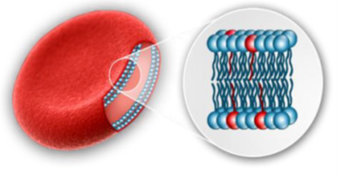
Figure 1: Red blood cell fatty acid membrane wall
Your first test will establish your baseline omega-3 status. Follow-up testing (typically 4 months later) will confirm if your dietary or supplemental changes have achieved the desired effects.
The report provides target results as follows:
Omega-3 index
High risk = <4%
Intermediate risk = 4-8%
Low risk = >8%
Omega-6:3 ratio
Desirable 3:1 up to 5:1
AA:EPA
Desirable 2.5:1 to 11:1
Trans-fats
Desirable range is <1%
How does fat affect inflammation?
Compounds called eicosanoids and prostaglandins are made from fatty acids. They are involved in inflammation, fever promotion, blood pressure regulation, and blood clotting. Some fatty acids promote inflammation while others dampen inflammation. Omega-3 fatty acids, specifically EPA and DHA, help reduce inflammation by altering cell membranes, lowering inflammatory proteins, and creating anti-inflammatory molecules called resolvins.
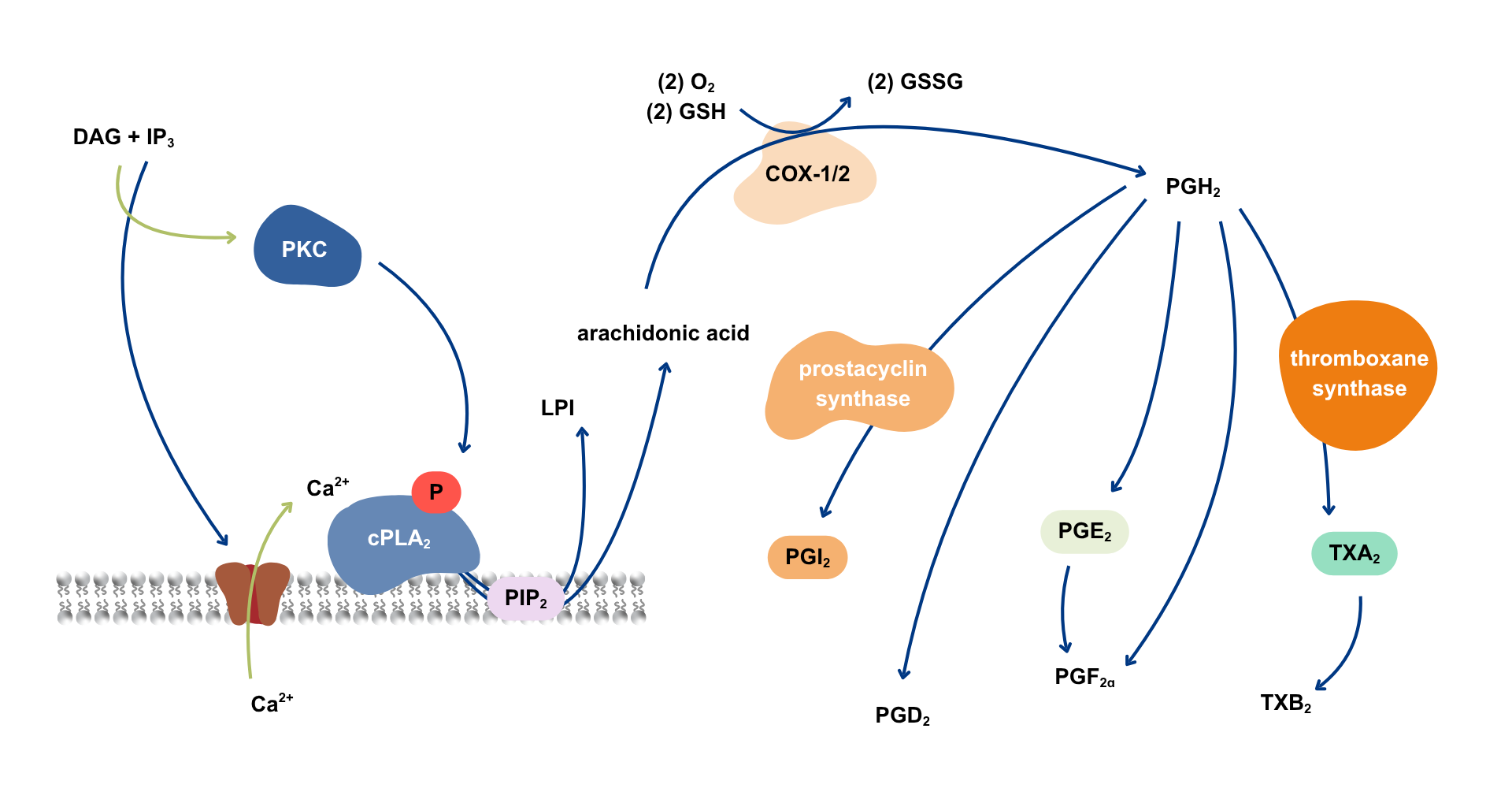
Figure 2: Prostaglandins being made from fatty acids
Is inflammation unhealthy?
Inflammation is the body’s natural response to infections and damage, so it is vital for overall health. However, long-term, low-grade inflammation quietly damages healthy cells, tissues, and organs over months or years, leading to major chronic illnesses such as heart disease or diabetes. It may be silent; you may have no symptoms.
Who might benefit by taking this test?

An Omega-3 index between 8-12% supports:

This Omega-3 fatty acid test may be of benefit for;
- Rheumatoid arthritis, Inflammatory bowel disease (ulcerative colitis), dry eye disease.
- Fetal and infant brain and eye development while in the womb and the child’s cognitive development
- Longer gestation and reduced pre-term birth risk
- Fertility issues, both male and female
This test is suited to people who have health conditions that involve inflammation; redness, pain, heat and swelling and to people who are interested in preventative health (wellness) initiatives.
Food sources of fatty acids
Most fats and oils contain both saturated and unsaturated fats in different proportions. There's good evidence that replacing saturated fats with some unsaturated fats can benefit health e.g. replace butter with olive oil on bread
- Saturated fat is plentiful in the diet (cheese, milk, meats, baked goods, coconut/palm oil).
- Omega-6 is available from multiple food sources (vegetable oils e.g. sunflower oil, nuts, seeds and processed foods e.g. pizza, ready meals).
- Omega-3 is less plentiful, its primary source is oily fish, mackerel, herring, anchovy, sardines, salmon, kippers. The other main dietary omega-3 fatty acid, alpha-linoleic acid (ALA), is found in walnuts, flax and chia seeds. ALA can be converted to EPA and DHA in the body, but this happens at a very low rate in most people.
The amount of EPA and DHA needed to raise your level of omega 3 into the desirable range is different for everybody, due to multiple factors; age, sex, weight, diet, genetics, smoking habits, medications, and other medical conditions. Re-testing is therefore very useful, especially as you age.
Would you like to order a test?
We provide 3 tests:
| Test name: | Price: | Code: |
| Omega-3 basic (% of omega 3) | €75.00 | OMG3B |
| Omega-3 complete extra (% omega-3, omega-6:3 index, AA:EPA, trans-fats & complete fatty acid report | €139.00 | OMG3E |
| The advanced inflammatory profile contains other widely used markers of inflammation, high-sensitive C-reactive protein and ferritin. | ||
| Advanced Inflammatory profile (hsCRP, ferritin, % omega 3, omega-6:3, AA:EPA) | €199.00 | 42BC |
Sample requirement: 5ml EDTA whole blood, room temperature
Sample stability: 14 days
Turn-around-times: 9 working days
How to order a test?
Healthcare professionals can set up an account with Eurofins Biomnis, the account opening forms are downloadable from our website in the Resources section. Complete a test request form, filling in the code of the test you require. Organise blood sample delivery to our laboratory.
All queries to clientservices@ctie.eurofinseu.com
Additional information
Red blood cells (RBC) reflects long-term intake of fats as the fatty acids are integrated into RBC membranes during cell formation. Whereas plasma/serum reflects more recent intake (days to weeks).
People with fat digestion issues, may poorly absorb Omega-3 e.g. gallbladder removal, pancreatic insufficiency (pancreatic elastase test can assess this), Celiac disease.
Genetic variants are errors in the DNA code that makes protein such as enzymes. Enzymes such as the ‘delta 6 and delta 5 desaturase’ are required to break down fat converting them into the various fatty acids. FADS1 and FADS2 gene variants lower blood levels of EPA and DHA and other long=chain fatty acids
Omega-6/Omega-3 Ratio provides a view of the inflammatory balance whereas the AA/EPA Ratio is a more focused view and may hint at a genetic variant.
Omega-6 and omega-3 compete for the same metabolic enzymes. Figure 4. Very high omega-6 intake may impair omega-3 metabolism.
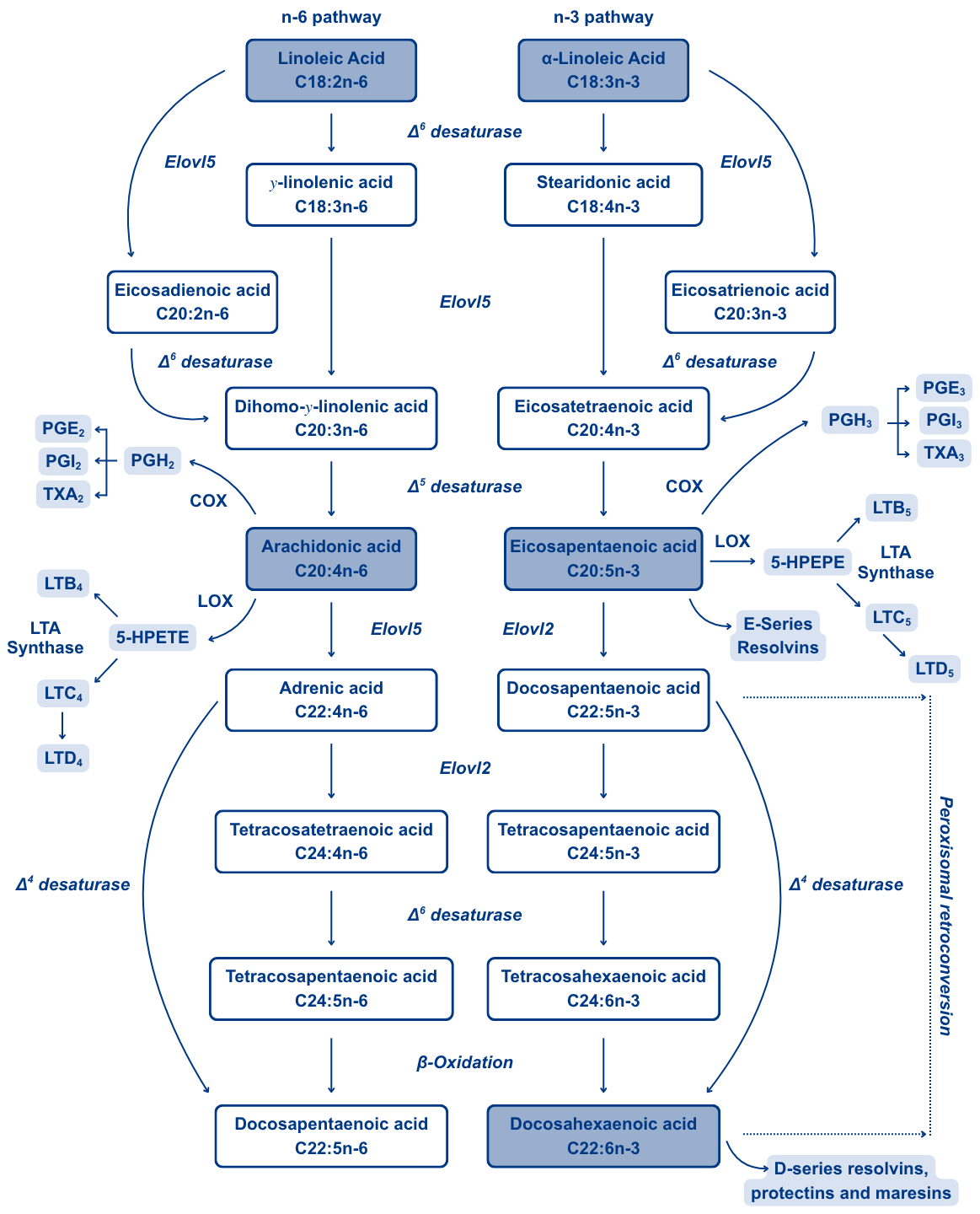
Figure 4: The Essential fatty acid metabolic pathway
Only one omega-6 fatty acid, arachidonic acid (AA), and one omega-3 fatty acid, eicosapentaenoic acid (EPA), make up the AA:EPA ratio.
Trans-fats are made from hydrogenated oils and are unsafe for human health and should be below 1%.