Reliable Radon Testing for Healthier Indoor Environments
Radon is a naturally occurring radioactive gas and a leading cause of lung cancer in non-smokers. In fact, the U.S. EPA estimates that over 21,000 Americans die annually from radon-induced lung cancer. But what exactly is radon, why is it dangerous, and how can you test for it?
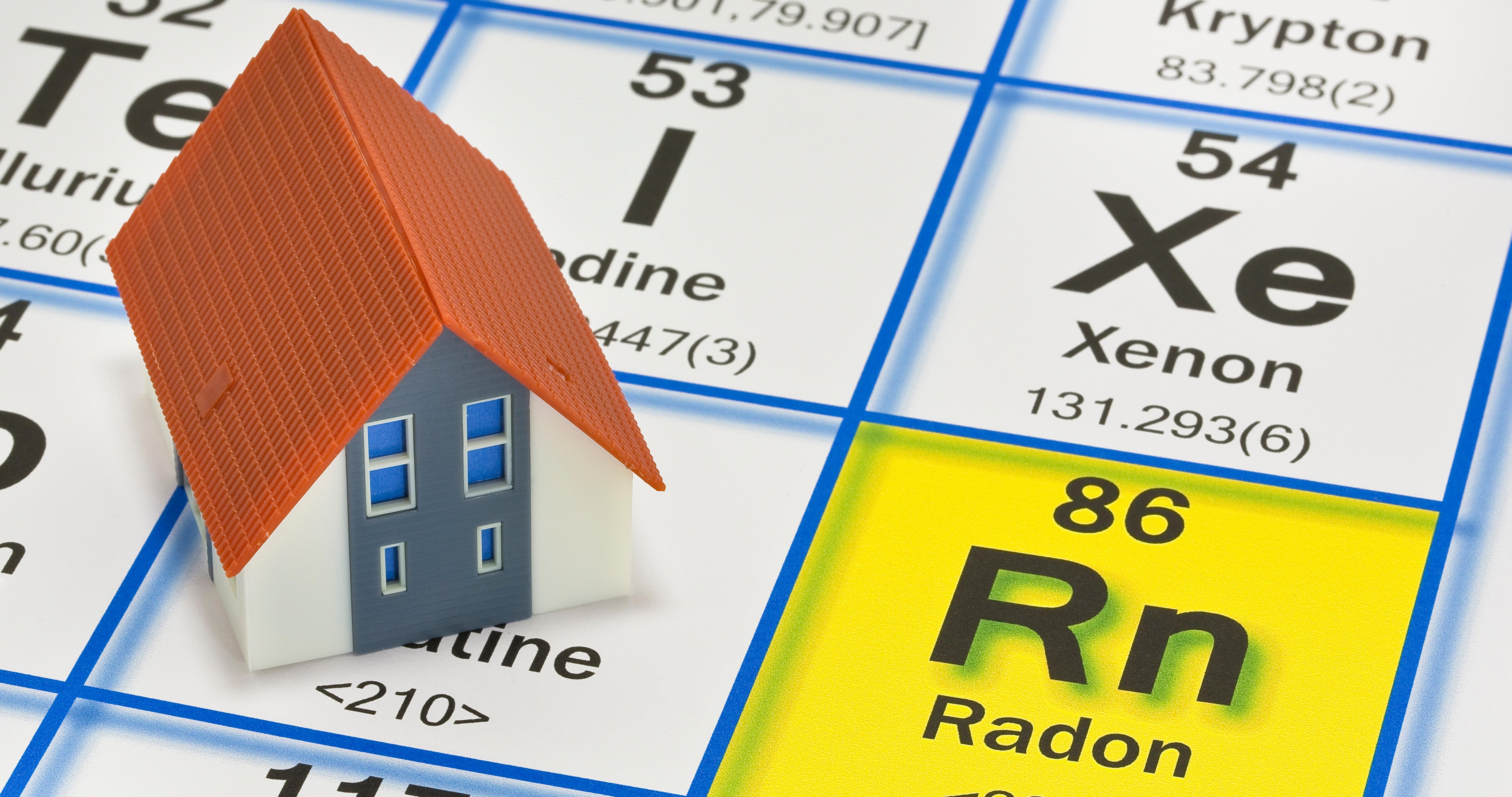
Radon is an invisible, naturally occurring radioactive gas that can accumulate inside homes, schools, workplaces, and other buildings. Because it has no color, odor, or taste, testing is the only way to determine whether elevated radon levels are present.
Eurofins Built Environment Testing provides reliable radon testing solutions to help homeowners, building professionals, schools, and businesses identify potential exposure and make informed decisions about indoor air quality.
Contact Eurofins Built Environment Testing today to learn more about our radon testing services.
What Is Radon and Why Is Testing Important?
Radon is produced by the natural breakdown of uranium and radium in soil, rock, and water. It can enter buildings through foundation cracks, floor drains, construction joints, and other openings, potentially accumulating to elevated levels indoors.
Long-term exposure to radon is a leading cause of lung cancer, including among people who have never smoked. Since radon cannot be detected without testing, routine monitoring is an important part of maintaining healthy indoor environments.
The U.S. Environmental Protection Agency (EPA) recommends taking action to reduce indoor radon concentrations at or above 4.0 picocuries per liter (pCi/L).
Comprehensive Radon Testing Solutions
Eurofins Built Environment Testing offers radon testing solutions for a variety of residential, commercial, and institutional applications.
- Short-Term Radon Testing: Short-term testing provides an initial assessment of indoor radon concentrations, typically over several days. It is commonly used for residential screening, real estate transactions, and preliminary evaluations of schools and commercial properties.
- Long-Term Radon Testing: Long-term testing measures radon concentrations over an extended period, providing a more representative understanding of average indoor radon levels. This approach helps account for fluctuations caused by seasonal changes, weather, and building conditions.
- Commercial and Institutional Radon Testing: Radon can affect more than residential properties. Schools, childcare facilities, multifamily housing, offices, and other commercial buildings can also experience elevated radon levels. Testing helps property owners, facility managers, and school administrators evaluate potential exposure and protect building occupants.
- Radon-in-Water Testing: Radon can occur naturally in groundwater and may be released into indoor air through household water use. Radon-in-water testing helps identify this potential source of exposure and determine whether additional evaluation is needed.
Why Choose Eurofins Built Environment Testing for Your Radon Testing?
When evaluating potential radon exposure, accurate and dependable testing matters. Eurofins Built Environment Testing combines laboratory expertise and professional-quality testing solutions to support informed decisions about indoor environments.
- Reliable results: Dependable testing and laboratory analysis.
- Flexible testing options: Short-term, long-term, and radon-in-water testing solutions.
- Multiple applications: Testing for residential, commercial, and institutional buildings.
- Nationwide support: Access to radon testing solutions across the United States.
Whether you are a homeowner, property manager, school administrator, or environmental professional, Eurofins Built Environment Testing can help you better understand and evaluate radon exposure.
Frequently Asked Questions

The EPA recommends reducing indoor radon concentrations at or above 4.0 pCi/L. However, no level of radon exposure is considered completely risk-free.
How long does radon testing take?
Short-term testing generally takes several days, while long-term testing measures radon concentrations over an extended period. Testing duration depends on the device and application.
Can radon be found in commercial buildings and schools?
Yes. Radon can accumulate in virtually any building, including schools, offices, multifamily properties, and other commercial facilities. Testing is the only way to determine indoor radon concentrations.
Should I test after radon mitigation?
Yes. Follow-up testing is recommended to verify that mitigation efforts have successfully reduced indoor radon levels.
Take the First Step Toward a Healthier Indoor Environment
Don't let an invisible threat go undetected. Eurofins Built Environment Testing provides reliable radon testing solutions to help identify potential exposure and support healthier indoor environments.
Contact our team today to learn more about our radon testing services.





Take the first step
At Eurofins Built Environment Testing, we offer reliable and comprehensive radon testing solutions to keep your home safe. Contact us today to schedule your radon test and take the first step toward protecting your home from this silent health threat.