Asbestos Testing for Homeowners
What is asbestos?
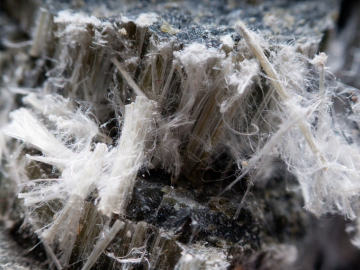
Asbestos is made up of groups of mineral fibers naturally present in the earth. Known for its strength, durability, and resistance to fire and water, asbestos was used commonly in various construction applications for the greater part of the 20th century. Asbestos is a thermal and acoustic insulator. It was used to make combustible objects flame retardant. Asbestos fibers are flexible and elastic, long lasting, and can be spun or woven.
Why is asbestos bad for you?
The risk of asbestos depends on the type of product in which it has been incorporated and its state of degradation. Asbestos can be hazardous to human health because microscopic particles are biopersistent, and can be inhaled. Its exposure is linked to higher rates of cancer and incurable asbestos-related illnesses.
In the form of tiny fibers, asbestos is released into the air and lodges itself in the lungs. Its near indestructible nature makes it difficult or impossible to expel. Lethal diseases, such as asbestosis, lung cancer or mesothelioma (pleural cancer) can develop. The most harmful effects of asbestos and all its symptoms on the human body sometimes do not appear for 20 years or more after exposure. Asbestos is one of the leading occupational causes of death.
Learn more about identifying asbestos and additional asbestos information on the EPA's website.
Asbestos regulation
Because of these adverse effects, asbestos should be managed to reduce exposure below legal thresholds. The U.S. government passed the Asbestos Hazard Emergency Response Act (AHERA) in 1986, which recognizes six types of asbestos (chrysotile, amosite, crocidolite, tremolite, actinolite and anthophyllite) from two general categories (amphiboles and serpentines).
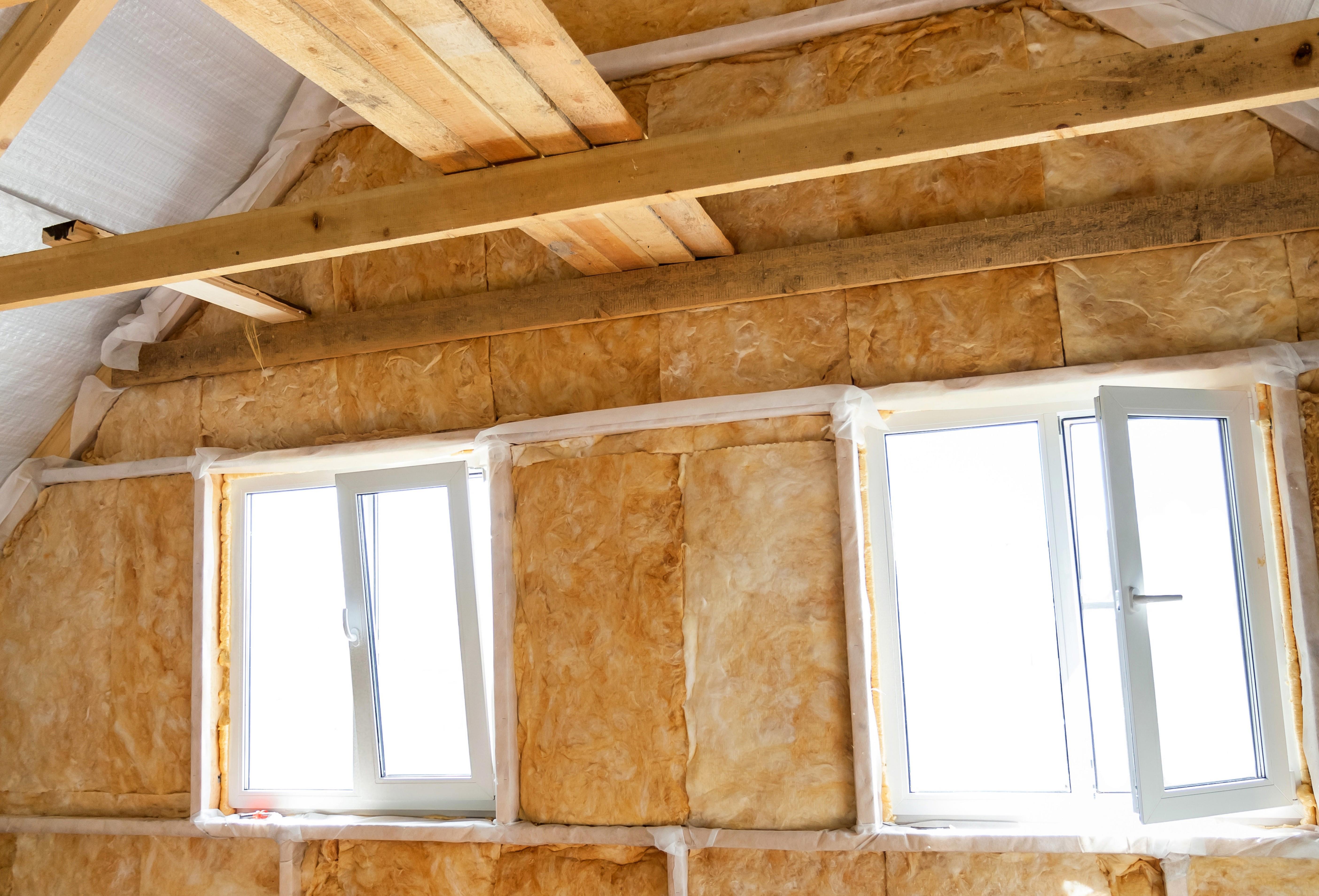
Buildings constructed prior to 1980 often have flooring, ceilings, and pipes made with asbestos. You cannot tell if a product is made with asbestos without some form of professional analysis. Demolition and renovation are the primarily ways to disturb components made with asbestos in the home, as it is “friable” (easily crumbled) and agitated into harmful dust.
Eurofins Built Environment Testing is able to isolate, identify and quantify all types of asbestos in various types of materials such as cements, vermiculite, insulating materials, as well as slab floors and ceilings.
Sampling and analysis of asbestos
Eurofins Built Environment Testing analyzes all layers of wallboard/joint compounds, plasters, and roofing samples as required by the National Voluntary Laboratory Accreditation Program (NVLAP). EPA and OSHA have specific reporting requirements. If clients do not specify testing standards, Eurofins Built Environment Testing adds a comment specifying the layer that asbestos was identified.
Next steps
If you are concerned about asbestos in your home or business, Eurofins Environment Testing is able to isolate, identify and quantify all types of asbestos in various types of materials including cement, vermiculite, insulation and floor and ceilings.
Contact us today - our staff is ready to help ensure your safety!


Start your testing now
Contact us to discuss your project goals and learn how our testing solutions can support your data and regulatory needs.