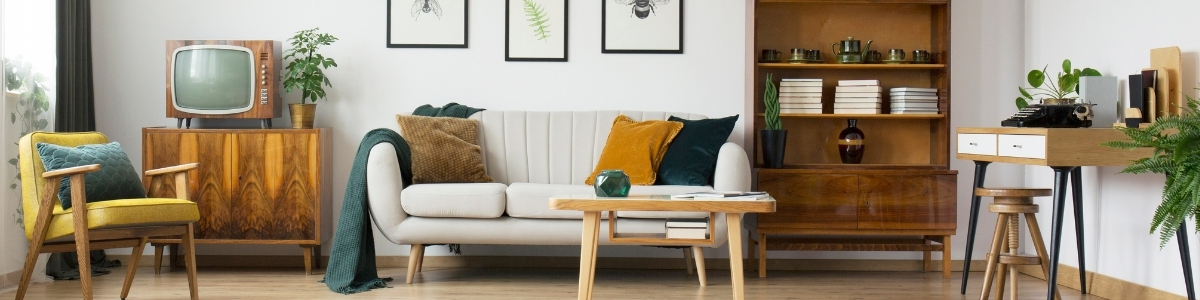
Quality and safety are critical in the furniture industry, where defects can directly impact consumer safety, product durability, and brand reputation. A structured furniture inspection programme helps manufacturers, retailers and sourcing professionals identify issues before the products reach consumers’ hands – these include ensuring compliance with regulatory requirements, consistent product performance, reducing customer complaints and returns, and ultimately protecting brand reputation.
Given the functional expectation of most furniture, on-site tests on furniture are naturally an important part of inspection quality control process. This article will explain eight common on-site tests that you should include in your inspection protocols for comprehensive product feature assessment.
Common on-site furniture tests
On-site testing of furniture during quality inspection mainly focuses on immediate functional performance, safety concerns and assembly readiness from a consumer perspective. Here are the eight on-site that you should not miss:
- Ease of assembly test
- Moisture content test of wooden components
- Wobble test
- Performance and operability test
- Crocking test
- Impact test for seating (also known as Dynamic Drop Test)
- Stability test (general furniture)
- Static load test (seating, table & bed)
Ease of assembly test
This check is to see if the product can be assembled easily following the instructions provided. During inspection, the item is assembled using the supplied parts and tools to confirm that all components fit properly and the process is clear. In practice, this check often reveals missing parts or unclear instructions and assembly difficulties, etc.
The ease of assembly test is evaluated based on the level of difficulty encountered during the assembly process. The results are graded as follows:
Grade |
Description |
| Grade A | No difficulty. Instructions are clear. Assembly is completed smoothly within expected time. |
| Grade B | Slight difficulty. Instructions understandable. Assembly completed within reasonable time. |
| Grade C | Noticeable difficulty. Instructions unclear with minor discrepancies. Assembly exceeds expected time. |
| Grade D | Considerable difficulty. Instructions are inaccurate. Assembly cannot be completed within expected time. |
| Grade E | Assembly cannot be completed due to missing components or incorrect instructions. |
Performance and operability test
A single furniture piece can carry multiple movable components such as folding joints, hinges and hydraulic support. This test provides a clear picture if these movable components can operate as expected in real-use scenarios.
Unlike in laboratory tests, where furniture is evaluated for long-term durability through thousands of repetitions, these on-site operability tests are typically repeated 20 times. No malfunction should be observed to be considered as pass.
Crocking test
Fabrics and leather are very common materials used in furniture production. Similar to garment and footwear, colour transfer from fabric and leather from furniture upholstery is highly undesirable.
To stimulate real-use situations, crocking tests are performed in both dry and wet conditions. While lab testing uses crockmeters, on-site inspection often uses dry and damp cloth to better replicate everyday use. No visible colour transfer or staining should be observed to be considered acceptable.
Impact test for seating (also known as Dynamic Drop Test)
Furniture seating is often subjected to sudden loading during normal use, such as when a person sits down quickly or with unexpected force. This type of impact can create high stress on the seat structure, joints, and supporting components. In practice, this test often reveals weak joints or poor internal structure that may not be detected under static loading, reducing the risk of failure and safety issues after delivery.
During inspection, an impact is applied to the seating surface to simulate real-use conditions. An impact device is raised to a defined height above the seat and then released to freely fall onto the seating area, typically at the center position. Depending on the product design, the test may also be carried out at different seating positions or configurations to reflect actual usage.
Different standards adopt different methods and parameters.
For example, EN standards use a rigid impact mass of approximately 25 kg dropped from around 300 mm. In comparison, BIFMA standards use a test bag system with defined masses, such as 102 kg (225 lb) for functional loading and 136 kg (300 lb) for proof loading, dropped from approximately 152 mm (6 inches). These approaches are designed to simulate different usage conditions.
After testing, no visible damage, structural failure, or loss of integrity should be observed.
Stability test
Furniture stability is a critical safety factor, as tipping may lead to injury during normal use. This test is recommended for different types of furniture, including seating, tables and storage units to ensure safe and reliable performance. This is especially important for tall or narrow furniture like cabinets, bookcases and drawer chests.
During inspection, the furniture is placed on a flat and level surface. A load or force is applied to relevant parts of the product, such as the seat, tabletop or storage area in different directions to assess the risk of tipping. The product should remain stable without overturning during the evaluation.
Static loading test
Furniture is expected to support user weight and maintain its structural integrity during use.
Static loading tests are conducted to assess whether the product can withstand applied loads without deformation, damage, or failure. This helps identify potential structural weaknesses before shipment.
During inspection, loads are applied to relevant parts of the furniture to simulate typical or heavy use conditions. Test methods and parameters may vary depending on product type, customer requirements, and applicable standards in the destination market (e.g., United States and European markets).
For example, loads may be applied to seating surfaces for chairs and sofas, tabletops for tables and desks, and storage areas such as shelves or open drawers for cabinets. The applied load may vary depending on product size, design, and intended use (e.g. domestic or commercial environments).
For tables, loads may be distributed across the surface area, where the total applied load may increase depending on the size of the tabletop, while for multi-seat sofas, each seating position is assessed individually or in combination to better reflect actual usage conditions. The load is maintained for a period of time to observe the product’s performance under sustained stress.
The structure should remain stable without visible damage or change in shape.
Employing a strong furniture inspection process is critical for product quality control, safety and achieving customer satisfaction. By implementing robust inspection programmes with practical on-site testing, businesses can effectively mitigate risks associated with their final furniture products.
With extensive inspection knowledge and experience, Eurofins Assurance helps furniture companies managing their products quality worldwide.
Discover how we can support your furniture quality strategy. Visit our inspection webpage for more information or get in touch with our experts.