Ev dekorasyonu ve mobilya testleri

Mobilya ve dekorasyon sektörüne nasıl destek oluyoruz
Kapsamlı test paketleri
Çerçevelerden kumaşlara kadar eksiksiz mobilya ve döşeme testleri sunarak, her üretim aşamasında küresel uyumluluk ve performansı garanti ediyoruz.
Karmaşık düzenlemelerde yol gösterici
Uzman rehberliğimizle gelişen standartların bir adım önünde olun, uyumluluğu basitleştirin ve riskleri azaltarak mobilya ürünlerinizin pazara hazır olmasını sağlayın.
Özel çözümler
Mobilya dayanıklılığını test etmek için gerçek kullanım koşullarını simüle ediyor, kalite ve uzun vadeli performansı sağlamak için uzun ömürlülük testleri ve kusur analizleri sunuyoruz.
Mobilya ve döşeme için kapsamlı test ve uygunluk hizmetleri
Eurofins Softlines & Hardlines’ın ISO 17025 akreditasyonuna sahip laboratuvarları, mobilya ve döşeme sektörlerindeki üreticiler, perakendeciler ve tedarikçiler için özel testler sunmaktadır.
Geniş bir ürün yelpazesini kapsıyoruz:
- Konut ve ticari mobilya
- Döşemeli koltuklar ve yumuşak mobilyalar
- Ofis ve eğitim mobilyaları
- Dış mekan ve kamp mobilyaları
- Çocuk, kreş ve hastane mobilyaları
- Elektrikli, akıllı ve ayarlanabilir mobilyalar
Önemli test ve uygunluk çözümleri:
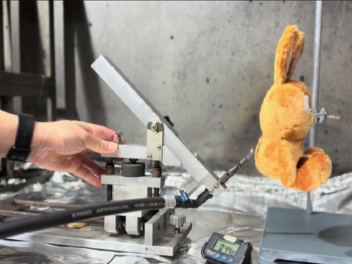
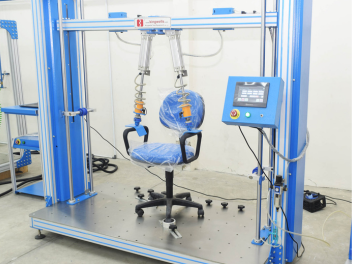
- Performans testi – Simüle edilmiş kullanım döngülerini kullanarak çerçeve mukavemetini, kumaş aşınmasını, dikiş dayanıklılığını ve yapısal bütünlüğü değerlendirir.
- Yanıcılık testi – Döşemeli ürünler için gereklidir; İngiltere, AB ve ABD standartlarına uygun olarak köpük, kumaş ve dolgu malzemelerinin yangına dayanıklılığını garanti eder.
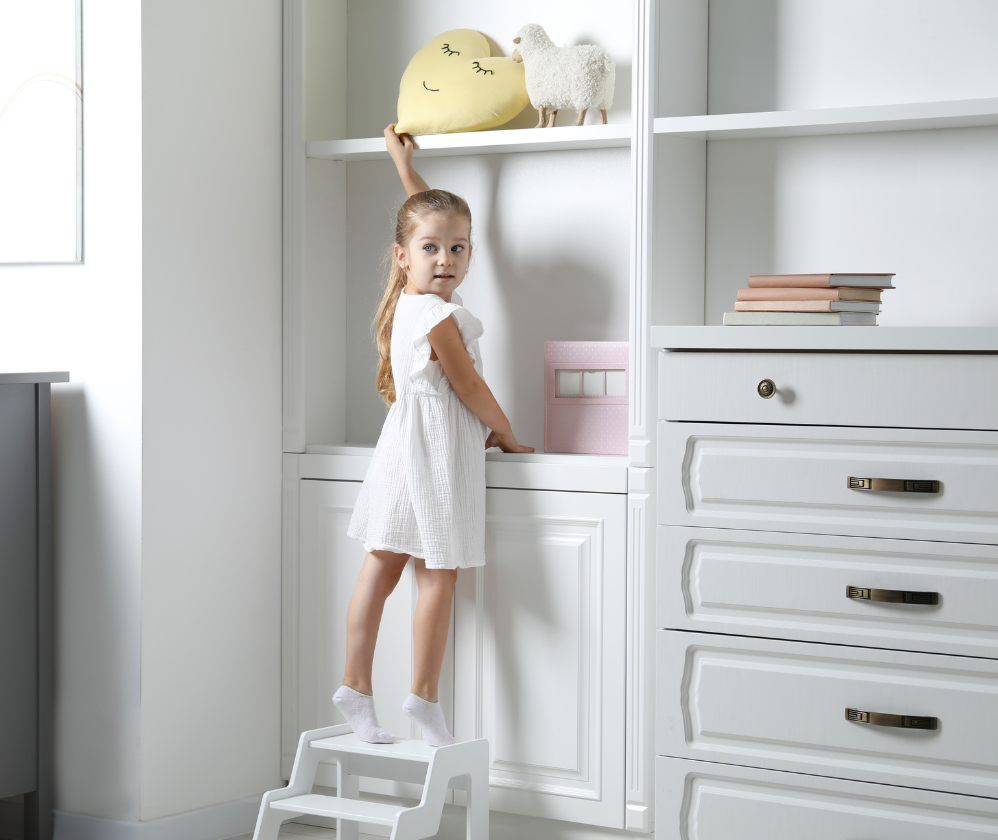
- Güvenlik testi – Mekanik güvenlik, sıkışma tehlikeleri, devrilme direnci ve keskin kenarları kapsar.
- Kimyasal testler – Döşeme kumaşları, yapıştırıcılar ve köpük dolgularda zararlı maddelerin (ör. formaldehit, ftalatlar, alev geciktiriciler) varlığını kontrol eder.
Kapsanan küresel düzenlemeler ve endüstri standartları
Avrupa:
- AB Genel Ürün Güvenliği Direktifi (GPSD)
- Birleşik Krallık Mobilya ve Döşeme (Yangın) (Güvenlik) Yönetmelikleri
- REACH Yönetmeliği
- AB Tekstil Etiketleme Yönetmeliği (1007/2011)
- Ahşap Yönetmeliği (AB No 995/2010)
Amerika Birleşik Devletleri:
- Tüketici Ürünleri Güvenliği Yasası (CPSA)
- Döşemeli mobilyaların yanıcılığına ilişkin Kaliforniya TB117
Endüstri Standartları:
- BIFMA
- FIRA and ISO standartları
Mobilya test hizmetlerimizin temel avantajları:
- Tüketici beklentilerini karşılayın: Mobilyaların şık, işlevsel, güvenli ve dayanıklı olmasını sağlayarak markanıza rekabet avantajı kazandırın.
- Güvenlik ve uygunluğu garanti edin: Küresel güvenlik standartlarına uyun, tehlikeleri, yasal riskleri ve itibar kaybını önlerken pazarın onayını sağlayın.
- Geri çağırma ve maliyetleri azaltın: Erken kusur tespiti, ürün geri çağırmalarını ve finansal riskleri en aza indirir ve marka güvenini korur.
- Güvenli malzemeler ve tasarımlarla yeniliği teşvik edin: Yeni malzemeler ve tasarımlar estetiği ve işlevselliği artırır. Kapsamlı testler, bu yeniliklerin sadece görsel olarak çekici değil, aynı zamanda güvenli, işlevsel ve pazara hazır olmasını sağlar.
Stil, dayanıklılık ve uyumluluk arasında denge kurun
Eurofins Softlines & Hardlines, müşteri beklentilerini karşılarken, çok çeşitli mobilya ürünleriniz için mevzuata uygunluğu sağlayan, pazara girişi kolaylaştıran ve riski azaltan uçtan uca test çözümleri sunar.
Bizi farklı kılan nedir?
Hızlı teslimat süreleri
Akredite laboratuvarlarımızdan oluşan küresel ağımız, üretim programınıza uyarlanmış hızlı ve esnek test çözümleri sunarak, mobilyalarınızın mevzuata uygun olmasını ve pazara zamanında ulaşmasını sağlar.
Mevzuat uzmanlığı ve teknik destek
Geliştirmeden sertifikasyona kadar, uzmanlarımız derin sektör bilgisi ve rehberlik sunarak uyumluluk zorluklarını verimli bir şekilde aşmanıza yardımcı olur.
Kurumsal sürdürülebilirlik hizmetleri
Mobilya tedarik zincirlerine şeffaflık ve ölçülebilir sürdürülebilirlik getirmeye yardımcı olarak, markaların estetik, işlevsellik ve çevresel sorumluluğu dengeleyen yenilikçi ürünler tasarlamasını destekliyoruz.
İlgili hizmetler







Frequently asked questions about furniture testing

USA: Standards are primarily developed by ASTM International, ANSI/BIFMA for commercial furniture, and CPSC (especially for children’s furniture and tip-over prevention). Upholstered furniture must also meet flammability standards such as California TB117-2013.
EU: The EN standards developed by CEN apply. Examples include EN 12520 for domestic seating and EN 1022 for stability. CE marking may apply depending on the product type (e.g., electrical or children’s furniture).
UK: After Brexit, the UK continues to use EN standards (as "BS EN"), but maintains specific flammability requirements under the UK Furniture and Furnishings (Fire) (Safety) Regulations 1988, which are stricter than those in the EU.
Do we need third-party certification for our furniture products?
While third-party certification is not always mandatory, it can be essential in certain product categories and markets, and often serves as a valuable tool to demonstrate compliance, safety, and environmental responsibility.
- Voluntary third-party certification enhances marketability and credibility.
- Mandatory for certain categories (e.g., children’s furniture under CPSC regulations in the US, or electrical furniture requiring CE marking in the EU).
- GREENGUARD, FSC, or BIFMA LEVEL certifications may be required by specific retailers or public procurement policies.
How often do we need to re-test or re-certify our products?
- Every 1 to 3 years or when there is a change in design, materials, or manufacturing process.
- Annually, for chemical emissions certifications like GREENGUARD.
- For compliance to standards (e.g., ASTM, EN), re-testing is advised if standards are updated or there are regulatory changes in the target market.
What flammability regulations apply to upholstered furniture?
- USA: California TB117-2013 is widely adopted. Some states, like Massachusetts, require compliance. TB133 may apply to public seating.
- UK: The Furniture and Furnishings (Fire) (Safety) Regulations 1988, including match and cigarette tests (Schedule 4 and 5)
- EU: No unified flammability requirement, but some countries (e.g., France, Germany) have their own voluntary or sector-specific guidelines.
How do we test our furniture for fire resistance?
Standard test methods include:
- California TB117-2013: Open flame and smoldering cigarette test.
- BS 5852: Ignition source tests used in the UK (Source 0, 1, 5).
- EN 1021-1/2: Smoldering and match flame equivalents used in the EU.
Testing must be conducted in an accredited laboratory, and sample conditioning prior to testing is often required.
Do different markets have different fire safety requirements?
Yes, fire safety requirements for upholstered furniture vary significantly across global markets:
United Kingdom: The UK enforces one of the most stringent fire safety regimes through the Furniture and Furnishings (Fire) (Safety) Regulations 1988, which mandate resistance to both smoldering cigarettes and open flames. These regulations apply to both domestic and contract furniture and cover cover fabrics, fillings, and composite materials.
United States: Fire safety standards are not federally mandated for all furniture, but many states — particularly California — require compliance with TB117-2013, which tests resistance to smoldering ignition sources (cigarettes). Some settings, such as public buildings or healthcare, may require stricter standards like TB133 or NFPA 260/261.
European Union: The EU does not have a unified flammability regulation for domestic furniture. However, individual member states may enforce specific requirements, particularly for contract or public-use furniture. For instance, France and Germany have their own standards, while EN 1021-1/2 is commonly used on a voluntary basis for cigarette and match flame resistance.
In summary, fire safety requirements are region-specific and often product-type dependent, making it essential to identify the exact market and use case when determining applicable standards.
Are there any exemptions for certain materials in flammability testing?
Yes, some materials may be exempt from flammability testing requirements if they are inherently resistant to ignition or meet specific regulatory criteria. Inherently flame-resistant materials such as leather, metal, or glass are generally exempt, as they do not pose a significant fire risk.
Under UK regulations, exemptions may apply to:
- Interliner materials that comply with Schedule 3 of the UK Fire Regulations.
- Certain natural fiber fabrics (e.g., 100% cotton) when used under defined conditions, typically with a compliant interliner.
In all cases, proper material documentation and compliance declarations must be maintained to demonstrate eligibility for exemption and ensure traceability during inspections or audits.
What chemical regulations apply to our furniture materials?
- USA: TSCA Title VI (formaldehyde in composite wood), Proposition 65 (California), and CPSIA for children's products.
- EU: REACH Regulation, RoHS (for electrical furniture), and ECHA SVHC notifications.
- UK: Post-Brexit REACH equivalent is UK REACH.
- Retailers may also require compliance with retail-specific Restricted Substances Lists (RSLs).
How do we test for formaldehyde emissions in wood-based products?
Formaldehyde emissions from wood-based panels are tested using standardized chamber methods to ensure compliance with regional regulations:
In the United States, testing must comply with TSCA Title VI, using methods such as ASTM E1333 (large chamber) or ASTM D6007 (small chamber).
In the European Union, formaldehyde levels are assessed using EN 717-1 (chamber method), while EN 717-2 and EN 717-3 offer alternative methods for smaller-scale or faster screening.
Testing must be performed or verified by an EPA-recognized Third-Party Certifier (TPC) in the U.S., or by accredited laboratories in the EU, often under certification schemes like CARB Phase 2.
These tests determine compliance with strict formaldehyde emission limits to ensure product safety and market eligibility.
What are the limits for VOCs (Volatile Organic Compounds) in furniture?
USA:
- GREENGUARD Gold: < 0.007 mg/m³ for formaldehyde; < 0.5 mg/m³ total VOCs.
- California Section 01350 used for low-emitting products.
EU:
- VOC requirements are often national (e.g., Germany’s AgBB scheme) or voluntary eco-label-driven (EU Ecolabel, Blue Angel).
- France uses an emissions class system (A+ to C).
What stability and durability tests do our products need?
ASTM/BIFMA for North American markets:
- BIFMA X5.1 (seating), X5.5 (desks), X6.1 (educational furniture).
- EN 1022 (stability) and EN 1728 (durability) for the EU and UK.
Tests typically cover:
- Static load,
- Fatigue (cyclic),
- Impact resistance,
- Stability (e.g., against tipping)
How do we comply with ASTM F2057 for tip-over prevention?
- For clothing storage units (CSUs) over 27 inches in height sold in the United States, compliance with tip-over prevention requirements is mandatory to reduce injury risks, particularly to children. These units must undergo stability testing using simulated loading conditions to evaluate their resistance to tipping.
- Products must include permanent warning labels and be supplied with anchoring devices for securing to walls or other stable surfaces.
- As of September 2023, the U.S. Consumer Product Safety Commission (CPSC) enforces a new federal standard (16 CFR Part 1261), which supersedes ASTM F2057. This regulation introduces more stringent testing protocols and performance criteria.
What are the strength and load-bearing requirements for office and home furniture?
Strength and durability requirements for furniture are defined by recognised standards based on product type and intended use:
In North America, applicable standards include:
- BIFMA X5.1 and X5.4 for seating
- BIFMA X5.5 for desks and tables
In the European Union, relevant standards include:
- EN 12520 for domestic furniture
- EN 15372 for non-domestic (commercial) furniture
Testing typically covers:
- Static and dynamic load assessments (commonly ≥110 kg for seating)
- Fatigue testing for components like legs, seats, and backrests
- Impact and drop tests to evaluate structural integrity under repeated or accidental stresses.
These tests help ensure products can withstand real-world use while maintaining safety and performance over time.
How do we test our outdoor furniture for weather resistance?
Key tests include:
- UV resistance (ASTM G154 / ISO 4892-3),
- Salt spray (ASTM B117 for corrosion),
- Water absorption and mold resistance (ASTM D1037),
- Temperature cycling (extreme hot/cold).
- Materials (e.g., powder-coated metals, plastics, fabrics) must be assessed for colorfastness, brittleness, and corrosion.
What are the eco-friendly or EPR requirements for furniture in different markets?
Environmental and Extended Producer Responsibility (EPR) requirements for furniture vary by region, with increasing focus on sustainability, recyclability, and end-of-life management:
European Union: Several countries, including France, Germany, and Sweden, have established EPR schemes requiring manufacturers to register, report product volumes, and contribute financially to recycling or waste management systems. Additionally, ecodesign principles and recyclability disclosures are becoming standard expectations under evolving EU environmental policies.
United States: EPR programs are currently state-driven. For example, California's SB 254 mandates mattress recycling, while states like Maine and Oregon are expanding EPR to cover a broader range of consumer products, including furniture.
United Kingdom: While full EPR for furniture is not yet in place, future obligations are anticipated as part of Defra’s product and packaging policy roadmap, with an emphasis on producer responsibility and sustainable design.
Across all regions, voluntary eco-labels such as the EU Ecolabel, Blue Angel, Nordic Swan, and LEED certification continue to encourage environmentally responsible product development and support market differentiation.