Food Contact Engineering Components
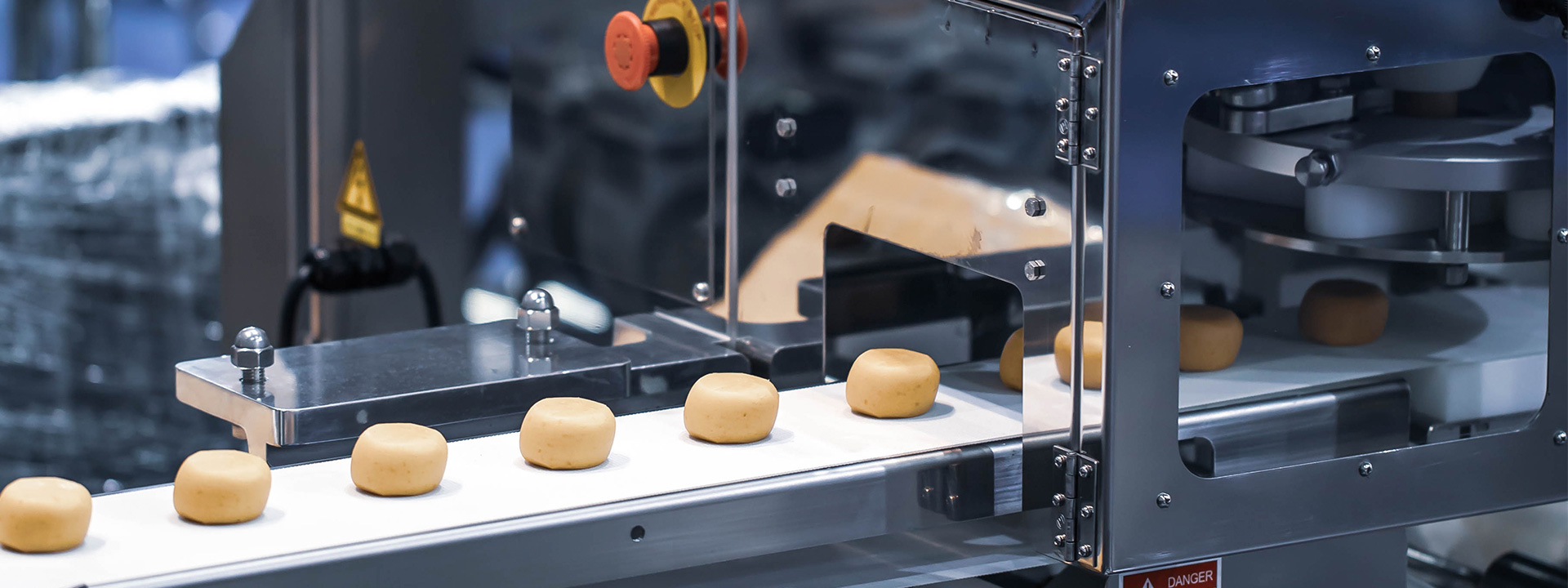
Machinery and equipment used in the food industry come into direct or indirect contact with food on a daily basis. This includes, for example, conveyor belts, valves, seals, hoses, mixing and filling systems, pump components, and tools used in food processing. The materials and components used must ensure that no substances harmful to human health are transferred to food and that product quality is not adversely affected.
Comprehensive testing of food contact engineering components is essential to protect consumers, minimise the risk of contamination, and ensure compliance with national and international regulations. At the same time, it helps manufacturers reduce product liability risks and facilitates access to global markets.
Key Regulations for Food Contact Engineering Components
Manufacturers of machinery and components for the food industry must comply with a wide range of regulatory requirements. Our testing services help you meet relevant international standards and legal obligations, including:
- Regulation (EC) No. 1935/2004 – General requirements for food contact materials and articles
- Regulation (EU) No. 10/2011 – Requirements for plastic materials and plastic components intended for food contact
- German Food and Feed Code (LFGB), Sections 30 and 31 – German requirements for the safety of food contact materials
- French DGCCRF Guidelines and French Decree – Regulations specific to France
- Dutch Commodities Act (Warenwet) – Regulations specific to the Netherlands
- FDA 21 CFR – Requirements for food contact materials for the US market
- GB 4806 Series – Chinese standards for food contact materials and articles
- Regulation (EC) No. 1907/2006 (REACH) – Requirements concerning chemical substances in materials and products
- California Proposition 65 – Chemical substance requirements for the US market
By partnering with Eurofins Consumer Product Testing, manufacturers and suppliers benefit from expert assessment of their components and materials, as well as efficient support in meeting regulatory requirements worldwide.
Our Comprehensive Testing Services for Food Contact Engineering Components
Our EN ISO/IEC 17025 accredited laboratories offer a wide range of chemical and material testing services for components and assemblies used in the food industry. We support manufacturers, suppliers, and equipment builders in material evaluation, compliance assessment, and the generation of robust evidence for national and international markets.
Our services include migration testing, determination of metals and other relevant substances, sensory assessment, and evaluation of material compliance against applicable regulatory requirements. Our experts analyse the actual conditions of use of your products and develop tailored testing programmes to demonstrate product safety and help avoid market access barriers.
What We Test
- Metallic components and alloys, including stainless steel parts
- Plastic components such as housings, guides, bearings, and conveyor system parts
- Elastomers, seals, gaskets, and O-rings made from rubber and silicone
- Hoses, pipework, and connecting elements
- Coatings, varnishes, and surface treatments
- Assemblies and complete components for processing and packaging equipment
- Raw materials, semi-finished products, and finished products
Frequently Asked Questions (FAQ)

Food contact engineering components are machinery and equipment parts — such as conveyor belts, valves, seals, hoses, mixing and filling systems, and pump components — that come into direct or indirect contact with food during processing. These components must be tested to ensure no harmful substances transfer to food and that product quality is not compromised.
Why is testing of food contact engineering components important?
Testing protects consumers from contamination, helps manufacturers reduce product liability risks, and ensures compliance with national and international food-safety regulations. It also facilitates faster access to global markets by demonstrating regulatory compliance upfront.
What regulations apply to food contact engineering components?
Key regulations include EU Regulation 1935/2004 and 10/2011, the German LFGB (Sections 30–31), FDA 21 CFR in the US, China's GB 4806 series, REACH (EC 1907/2006), and California Proposition 65, among other national requirements such as the French DGCCRF Guidelines and the Dutch Warenwet.
What materials are tested for food contact engineering components?
Testing covers metallic components and alloys (including stainless steel), plastics, elastomers such as rubber and silicone seals, hoses and pipework, coatings and surface treatments, and complete assemblies used in food processing and packaging equipment.
What testing methods are used to assess food contact engineering components?
Common methods include migration testing, determination of metals and other relevant substances, sensory evaluation, and compliance assessment against applicable regulations — tailored to the actual conditions of use of the component.