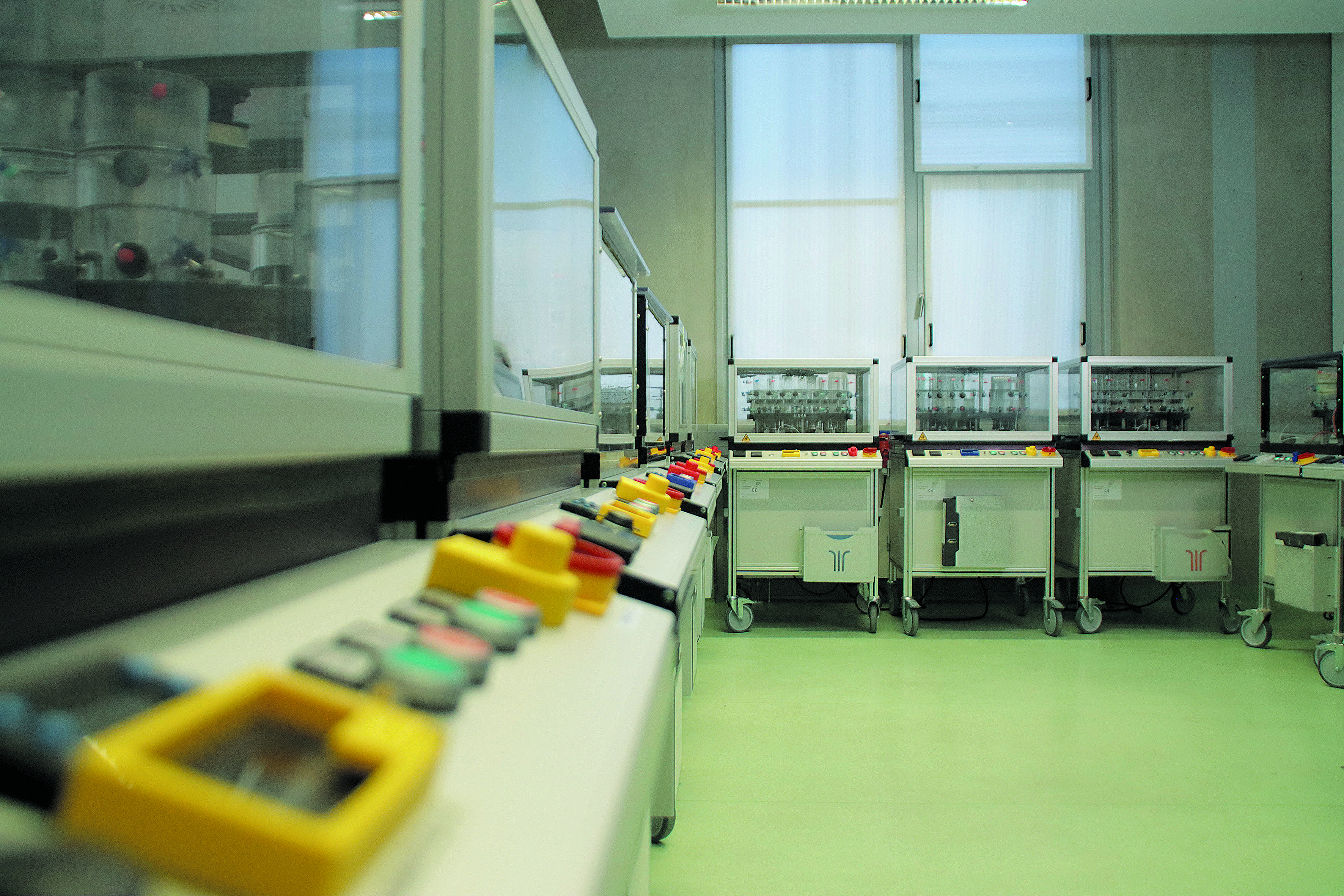
Heart valve testing for safer outcomes
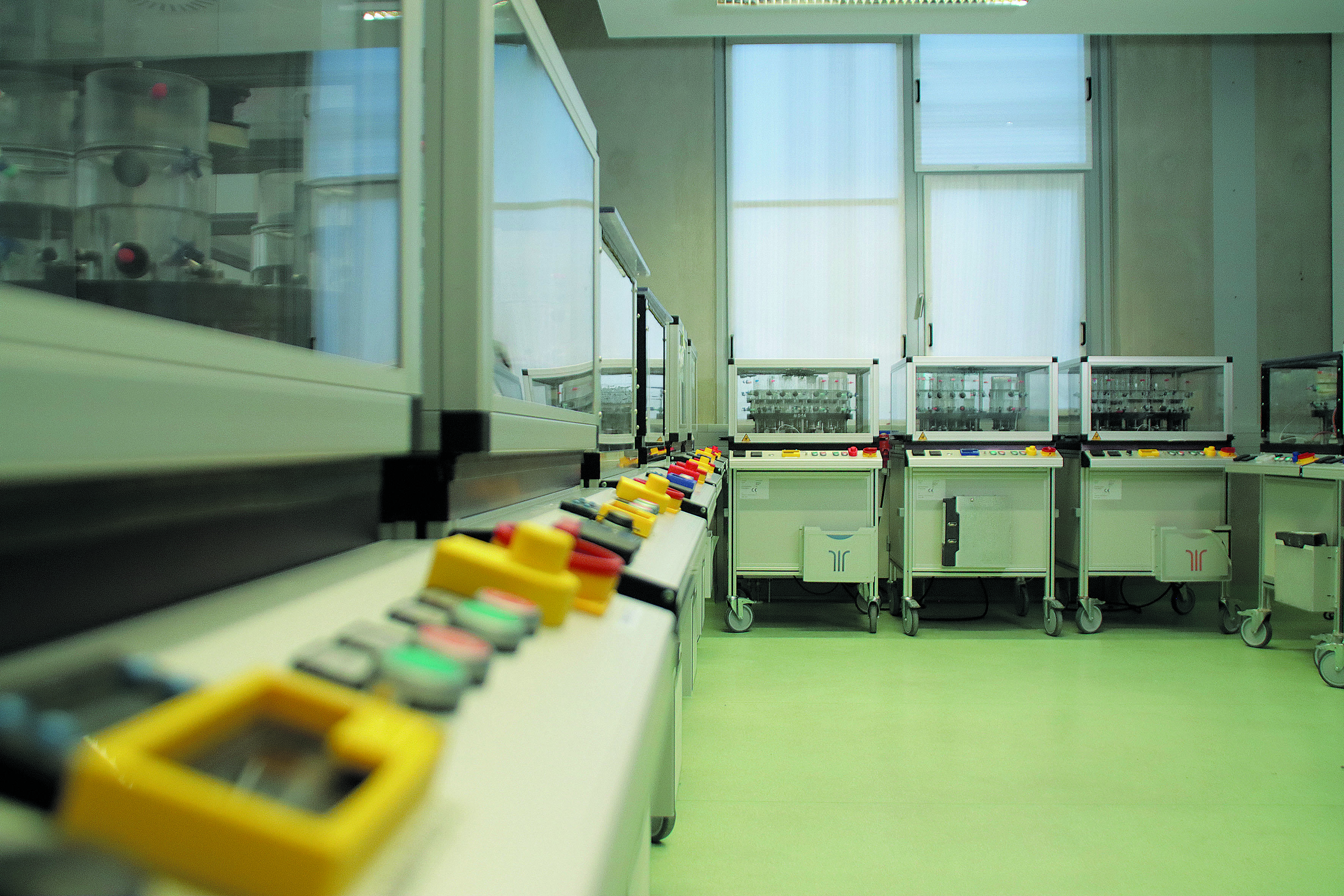
Artificial heart valves must operate flawlessly under constant physiological stress. Failures in durability, flow dynamics, or haemocompatibility can have serious consequences for patient safety and long-term outcomes. For manufacturers, the challenge is clear: demonstrate consistent performance, meet stringent regulatory expectations, and do so without delaying development timelines. Balancing innovation with compliance places pressure on both resources and decision-making at every stage.
The Eurofins Medical Device Services (MDS) network of laboratories provides the expertise and infrastructure required to address these challenges with precision. We support manufacturers with comprehensive testing programmes designed to evaluate the critical aspects of artificial heart valve performance.
The approach we use integrates advanced simulation environments with robust analytical methodologies. This enables accurate assessment of durability, hydraulic efficiency, and functional reliability under conditions that closely replicate real-world use. By generating high-quality, reproducible data, we help you build confidence in both product performance and regulatory submissions.
Our teams consist of highly trained scientists with deep domain expertise in cardiovascular devices. They work closely with you to design tailored testing strategies aligned with your device specifications and intended use. This ensures that testing is both relevant and efficient, reducing unnecessary delays while maintaining scientific rigour.
Eurofins MDS operates state-of-the-art facilities equipped to meet evolving global regulatory requirements. From early-stage development through to final validation, our services are structured to support each phase of your product lifecycle. We focus on delivering clear, actionable insights that enable informed decision-making and risk mitigation.
Artificial heart valve testing you can rely on

Artificial heart valves must endure millions of cycles under demanding physiological conditions, where even minor material fatigue or performance drift can lead to significant safety risks. Delays in identifying these issues can impact regulatory timelines, design confidence, and patient outcomes.
The Eurofins Medical Device Services (MDS) network of laboratories delivers accelerated wear testing (AWT) in full compliance with ISO 5840, enabling manufacturers to assess durability under clinically relevant conditions. We perform high-cycle fatigue simulation using physiological pressures and flow rates to replicate years of valve operation within a condensed timeframe.
Our capabilities include detailed durability assessment to identify wear patterns and structural integrity, alongside hydrodynamic monitoring of regurgitation, pressure gradients, and effective orifice area at defined intervals. The comprehensive regulatory documentation our experts produce supports FDA, CE, and global submissions.
Through advanced test systems, precise analytics, and rigorous standards, Eurofins MDS provides you with the data needed to optimise designs, demonstrate compliance, and maintain patient safety.
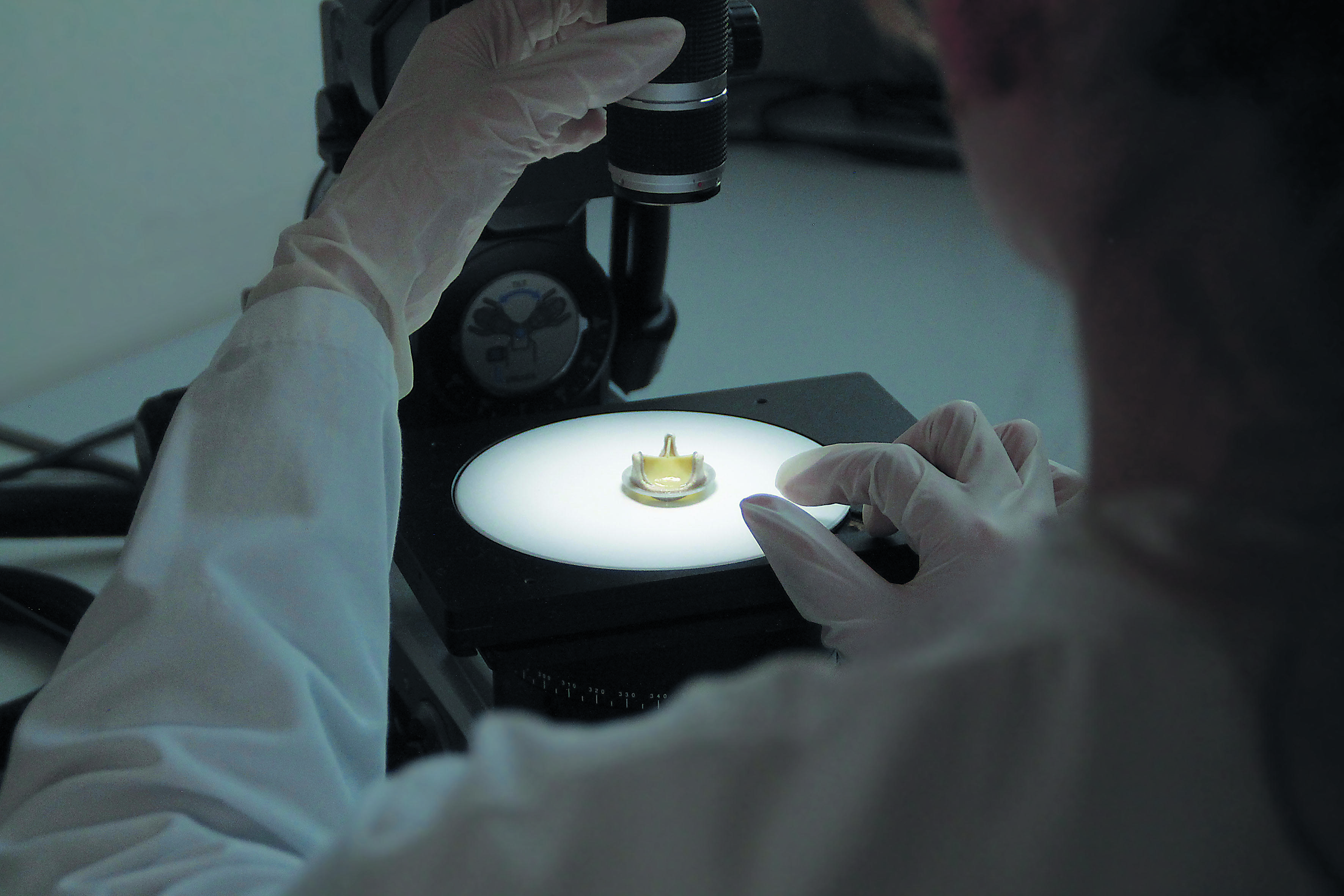
Dynamic failure mode testing
Artificial heart valves undergo continuous mechanical stress, operating through millions of cycles over their lifetime. Under these demanding conditions, the smallest structural weaknesses can evolve into critical failures. Without thorough investigation, risks may only become evident after deployment, impacting patient safety and prolonging the regulatory approval process.
Delivering dynamic failure mode testing in alignment with ISO 5840, the Eurofins Medical Device Services (MDS) network of laboratories enables manufacturers to assess valve resilience under realistic operating conditions. Using accelerated cyclic loading, we identify potential failure modes, including leaflet wear, hinge fatigue, and structural degradation.
The testing approach we take incorporates ongoing performance monitoring, evaluating key hydrodynamic parameters such as regurgitation, pressure gradients, and effective orifice area at defined intervals. Microscopic inspection provides detailed insight into material and mechanical failure mechanisms, supporting targeted design improvements.
Through rigorous testing, expert analysis, and adherence to international standards, Eurofins MDS helps ensure durability, optimise design, and safeguard long-term valve performance.
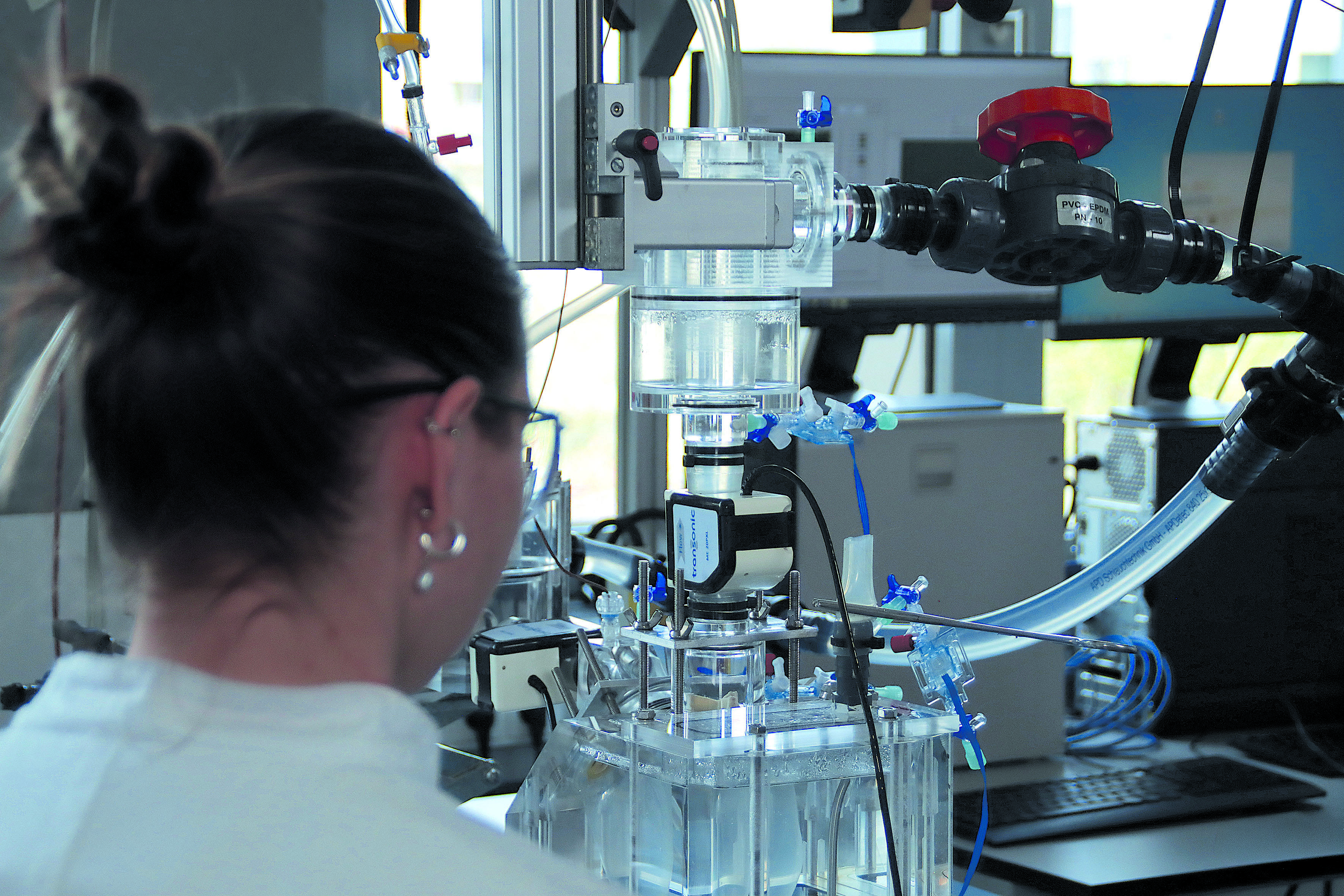
Hydrodynamic performance testing
Consistent blood flow performance is essential for artificial heart valves. Inefficient flow, elevated pressure gradients, or excessive regurgitation can compromise clinical outcomes and increase the risk of complications. Without accurate assessment, these issues may only surface later in development or post-implantation.
Focused on enabling robust evaluation against internationally recognised standards, the Eurofins Medical Device Services (MDS) network of laboratories provides ISO 5840-accredited hydrodynamic performance testing. As part of our programme, we measure key parameters including effective orifice area, transvalvular pressure drop, and regurgitant volumes to assess flow efficiency.
Our tests also examine dynamic valve response under pulsatile conditions, capturing opening and closing behaviour to ensure consistent functionality.
Through advanced instrumentation, expert interpretation, and detailed regulatory documentation, the Eurofins MDS network of laboratories delivers the insight required to refine designs, demonstrate compliance, and ensure reliable valve performance in clinical use.
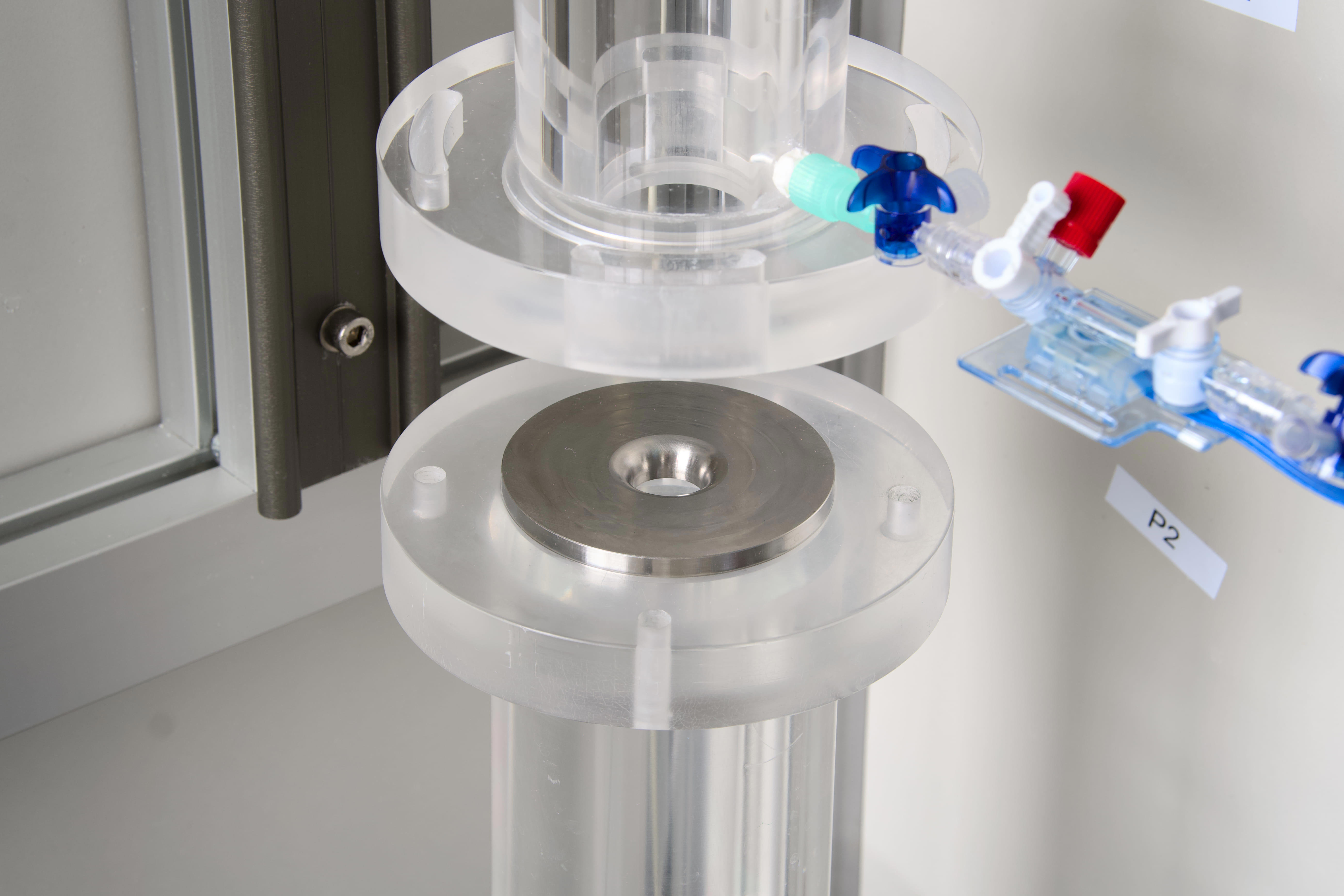
Steady forward flow testing
Delivering stable and efficient forward blood flow is fundamental to the performance of artificial heart valves. Any restriction, inefficiency, or elevated pressure gradient can compromise circulation and place additional strain on the heart. Without clear validation at this stage, these issues may impact both device development and long-term clinical outcomes.
The Eurofins Medical Device Services (MDS) network of laboratories provides steady forward flow testing in full compliance with ISO 5840, supporting accurate assessment of valve performance under controlled, non-pulsatile conditions. We measure key parameters such as transvalvular pressure drop and effective orifice area, generating essential data on hydrodynamic efficiency.
Our testing evaluates valve behaviour across clinically relevant flow rates, identifying potential limitations and informing design improvements in leaflet geometry and hinge configuration.
Your Eurofins MDS team will produce the in-depth regulatory documentation required for FDA, CE, and global submissions, enabling you to confirm performance, demonstrate compliance, and progress confidently through development.
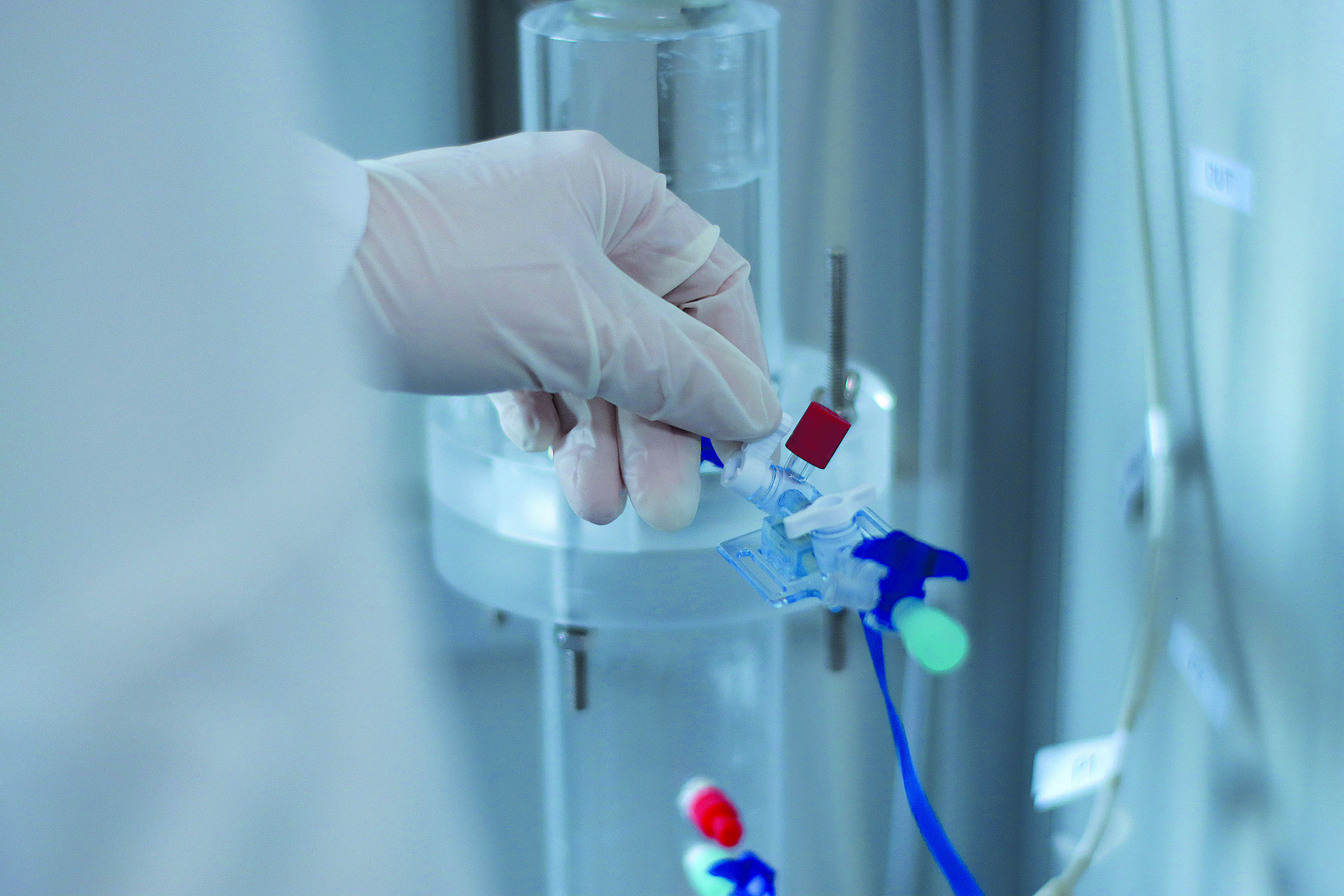
Steady backward leakage testing
Preventing reverse blood flow is just as critical as enabling efficient forward circulation in artificial heart valves. Even small levels of leakage can reduce efficiency, increase cardiac workload, and elevate the risk of complications such as thrombosis or heart failure.
Providing ISO 5840-accredited steady backward leakage testing, the Eurofins Medical Device Services (MDS) network of laboratories enables accurate assessment of valve sealing performance under controlled conditions. Our experts quantify regurgitant volumes across clinically relevant pressure ranges, delivering clear insight into leakage behaviour.
The methodology we employ includes detailed evaluation of leaflet closure and hinge design to confirm seal integrity, in tandem with identification of potential leakage pathways to support targeted design optimisation.
Eurofins MDS helps manufacturers validate performance, demonstrate compliance, and ensure reliable valve function in clinical use, furnishing developers with comprehensive documentation to support FDA, CE, and global submissions.
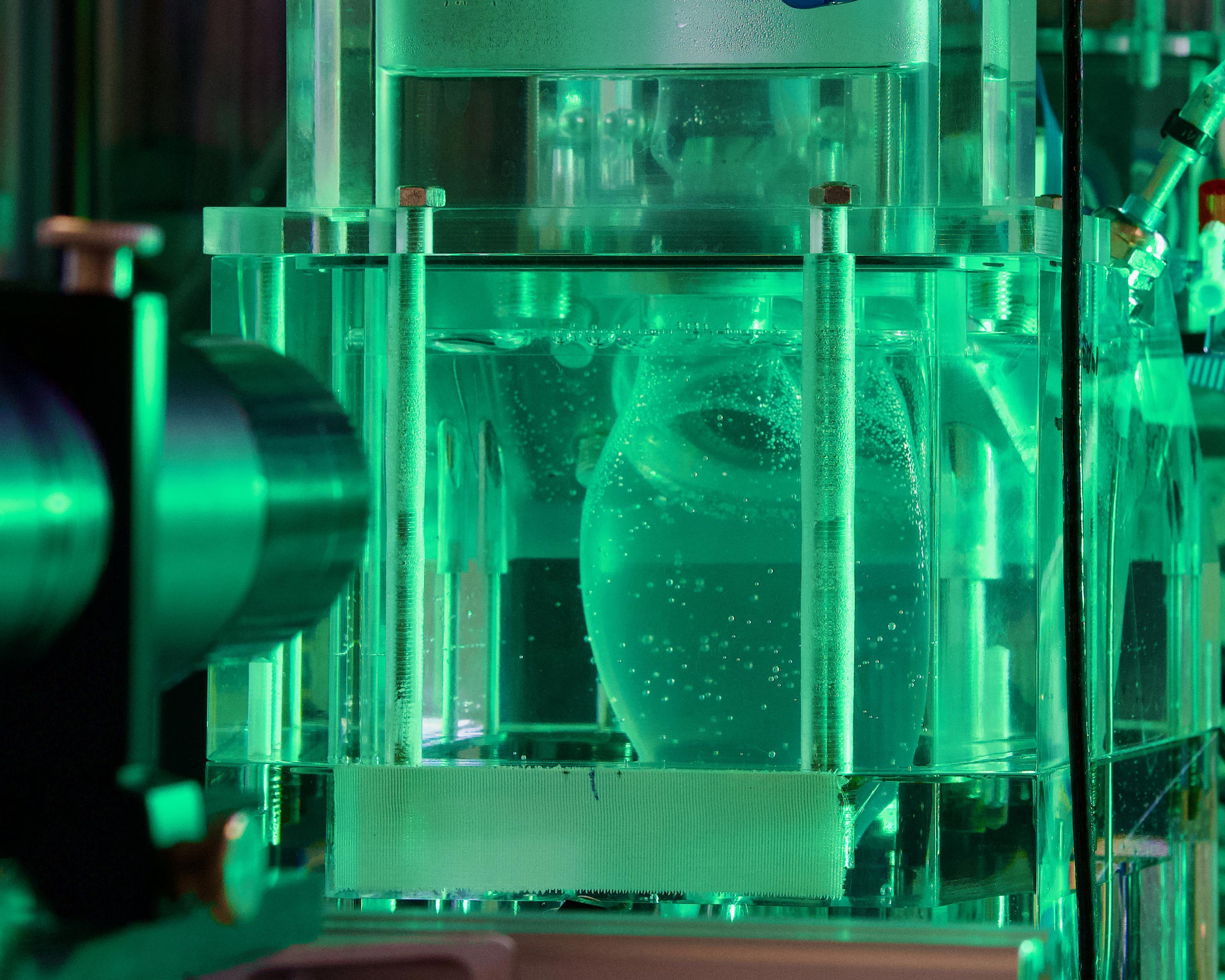
Particle image velocimetry (PIV) testing
Accurately characterising blood flow through artificial heart valves is essential for ensuring safe and reliable performance. Complex flow features such as turbulence, shear gradients, and recirculation zones can directly influence haemocompatibility and long-term durability. Without detailed visibility of these effects, critical risks may remain undetected until later stages of development.
At the Eurofins Medical Device Services (MDS) network of laboratories, we conduct Particle Image Velocimetry (PIV) testing to the standards set out in ISO 5840. Delivering high-resolution insight into valve hydrodynamics, this advanced optical technique enables precise visualisation of velocity fields, vortices, and shear layers under physiologically relevant pulsatile flow conditions.
Our capabilities include quantitative analysis of shear stress distribution and flow uniformity, supporting a deeper understanding of how design features impact performance.
Combining cutting-edge instrumentation with expert interpretation, Eurofins MDS supports manufacturers to refine designs, demonstrate compliance, and ensure safer, more effective heart valve performance.
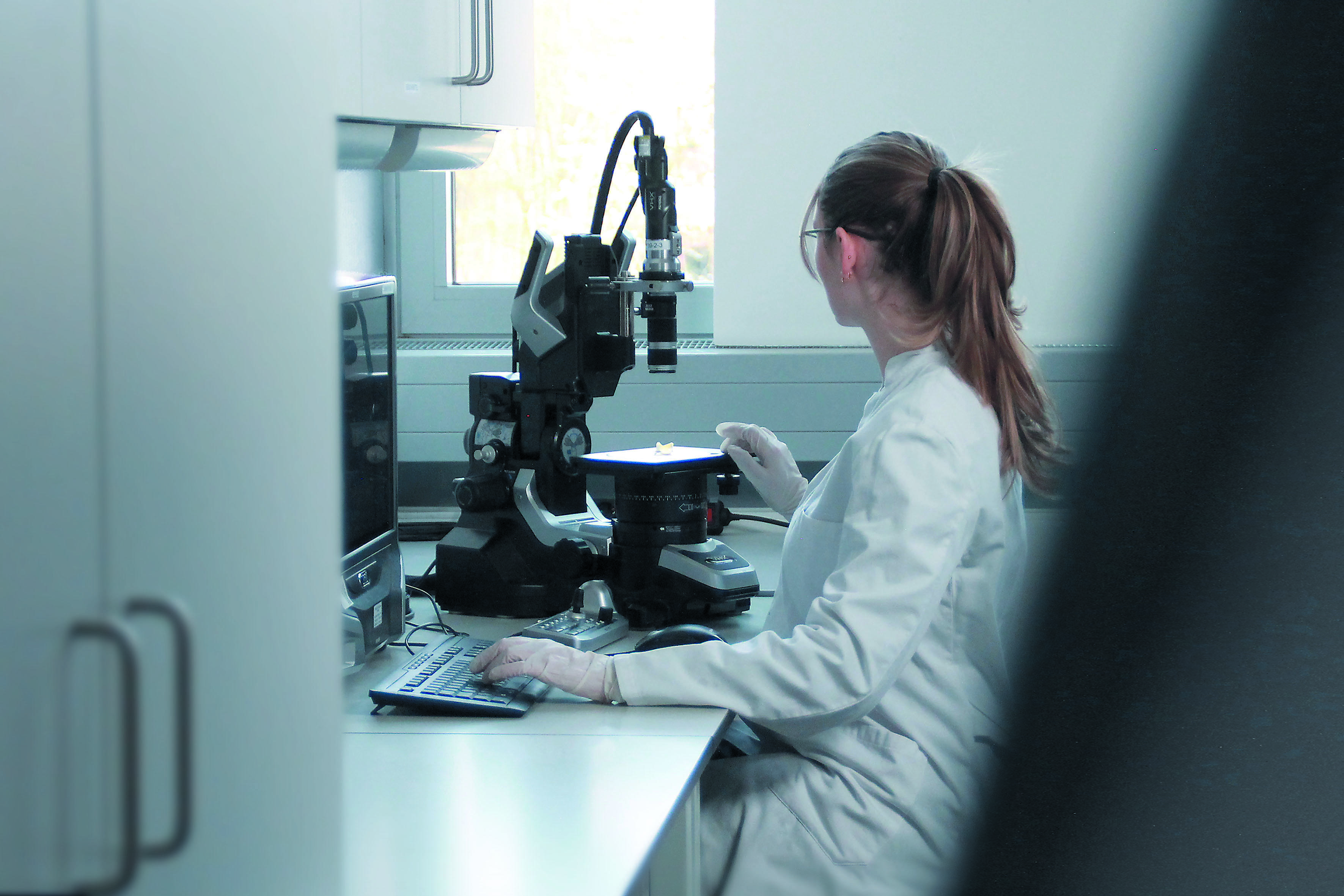
Thrombogenicity testing
Patient outcomes rely on artificial heart valves functioning seamlessly within the circulatory system. Thrombogenicity, or the potential to promote clot formation, is a critical concern. If not properly assessed, clot development can obstruct flow, increase the likelihood of embolic events, and compromise both device performance and patient safety.
The Eurofins Medical Device Services (MDS) network of laboratories delivers ISO 5840-standard thrombogenicity testing, providing manufacturers with robust evaluation under clinically relevant conditions. Our studies simulate physiological flow, shear stresses, and pressure gradients to reflect real cardiac cycles.
Our scientific teams perform quantitative assessment of platelet activation, fibrin deposition, and clot formation, generating detailed insight into a valve’s thrombogenic profile. These findings support targeted design optimisation, including refinement of leaflet geometry, hinge mechanisms, and biomaterial selection.
Eurofins MDS will help you mitigate risk, demonstrate compliance, and ensure safe, reliable valve performance, with comprehensive regulatory documentation produced to support FDA, CE, and international submissions.
Computational flow field assessment
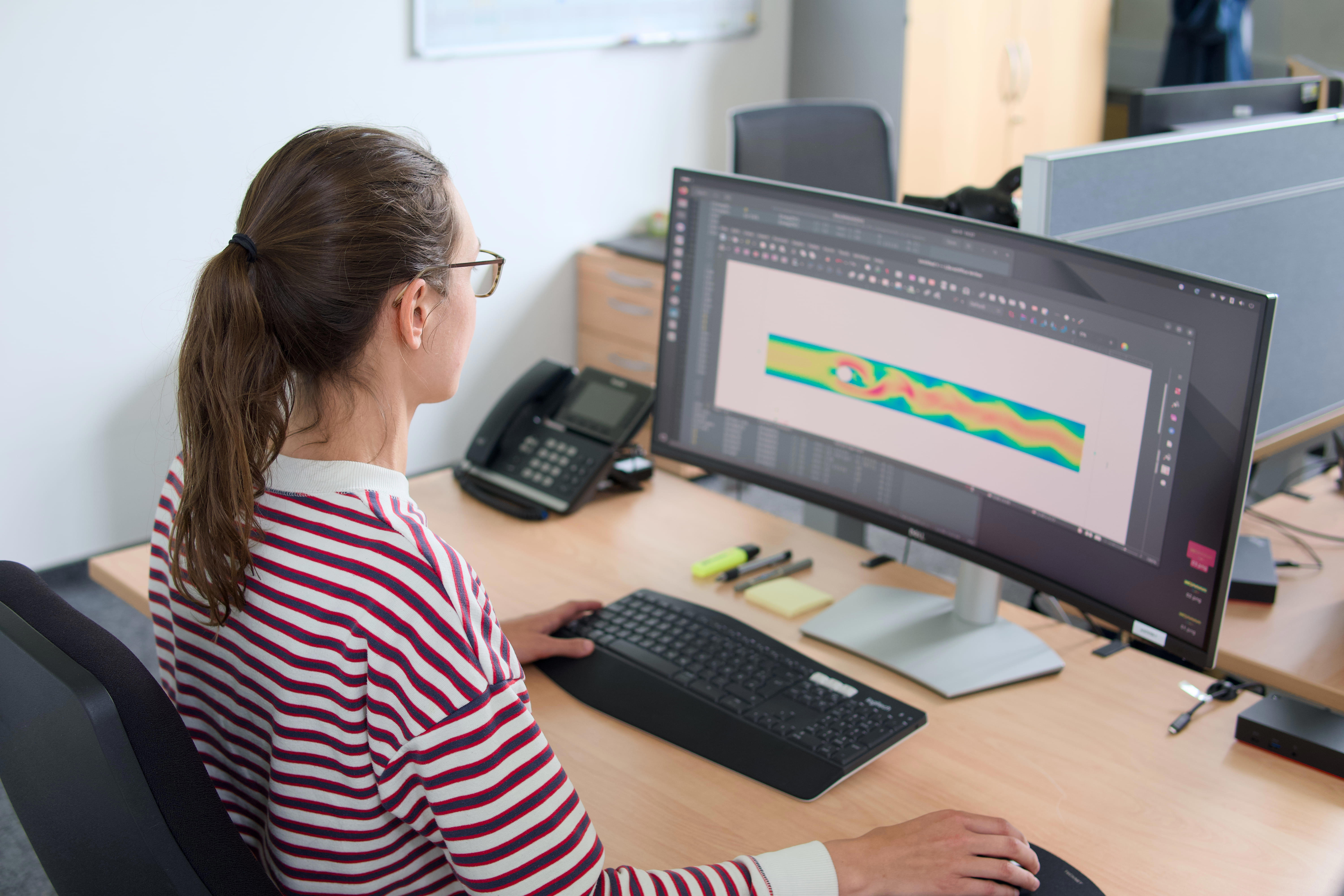
Understanding how blood flows through an artificial heart valve is critical to ensuring both safety and performance. Complex flow patterns, areas of high shear, or regions of stagnation can increase the risk of haemolysis or thrombosis. Without detailed insight into these dynamics, design limitations may only become apparent at later stages, impacting development timelines and patient outcomes.
The Eurofins Medical Device Services (MDS) network of laboratories provides computational flow field assessment in line with ISO 5840, enabling manufacturers to evaluate haemodynamic performance with precision. Using high-fidelity CFD simulations, we replicate physiological pressures, flow rates, and cardiac cycles to generate accurate, clinically relevant data.
With detailed flow mapping to visualise velocity fields, vortices, and recirculation zones, as well as shear stress analysis to quantify forces that may contribute to blood damage or clot formation, the regulatory documentation our team outputs supports FDA, CE, and global submissions.
Integrating advanced computational modelling with expert analysis, Eurofins MDS helps you optimise valve design, demonstrate compliance, and enhance patient safety.
Calcification testing
With long-term performance critical for artificial heart valves, calcification presents a persistent risk. The gradual build-up of calcium deposits can restrict leaflet motion, alter haemodynamics, and compromise device function. Without robust evaluation, these effects may only emerge after implantation, increasing the likelihood of complications, reintervention, and regulatory delays.
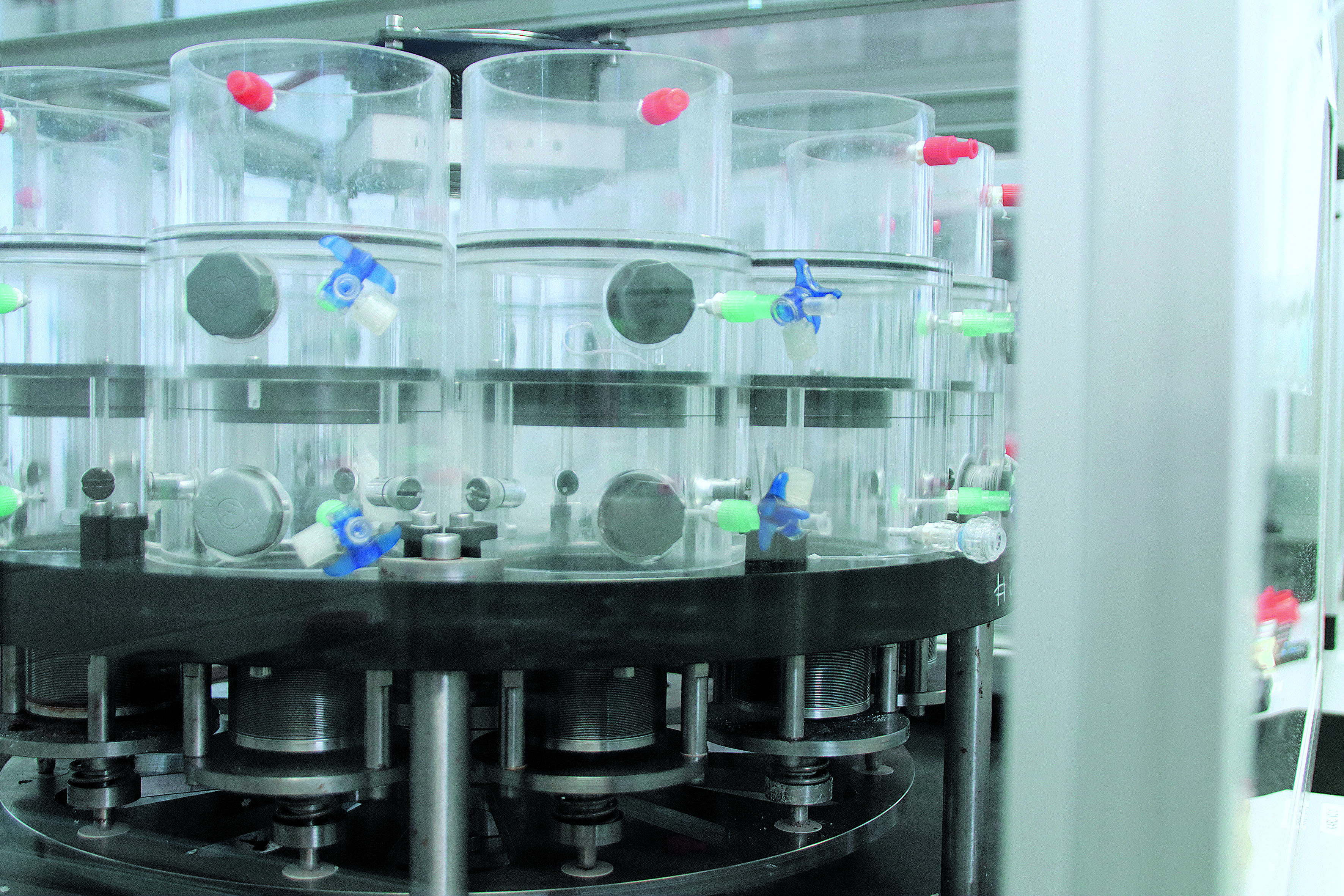
The Eurofins Medical Device Services (MDS) network of laboratories provides comprehensive calcification testing aligned with internationally recognised standards, including ISO 5840. Our accelerated in vitro models replicate physiological conditions to assess calcium deposition over time, enabling early identification of potential failure mechanisms.
We deliver quantitative analysis of mineral accumulation, leaflet stiffening, and hydrodynamic performance changes, alongside detailed material evaluation of biomaterials, coatings, and design features that influence calcification resistance.
Generating the full regulatory documentation you need for FDA, CE, and global submissions, Eurofins MDS helps inform design decisions, demonstrate compliance, and ensure long-term device reliability.