Reprocessing of Reusable Medical Devices
Mastering critical parameters
Author
Anja Friedrich, CEO Eurofins Medical Device Testing France
Article
Reprocessing of reusable medical devices begins at the point of treatment and includes subsequent cleaning, disinfection, maintenance, packaging, and sterilisation, if applicable.
Classification according to Spaulding (critical, semi-critical, and non-critical), as referenced in ISO 17664-1 and -2, defines the appropriate level of reprocessing required to ensure that devices are adequately cleaned, disinfected, and, where necessary, sterilised. A risk analysis must assess the extent of contamination, identify the areas of the device soiled by the patient and/or user, and evaluate the potential risk of cross-contamination. A comprehensive risk analysis is fundamental for successful reprocessing and for passing validation studies.
The recently published ISO/FDIS 17664-3 introduces three categories of cleaning, as only clean devices can be disinfected and/or sterilised successfully. Selecting an effective cleaning and disinfection agent is crucial, not only to achieve the required efficacy but also to ensure compliance with national regulatory requirements. However, toxic residues may not be left on the reusable medical devices or need to be removed or rinsed off with water.
ISO 17664-1 and -2, together with the six FDA criteria for reprocessing instructions, require a detailed description of the reprocessing procedure. This includes parameters such as concentration, contact time, accessories, as well as detailed specifications for washer-disinfector and steriliser programmes. Instructions must be clear and understandable.
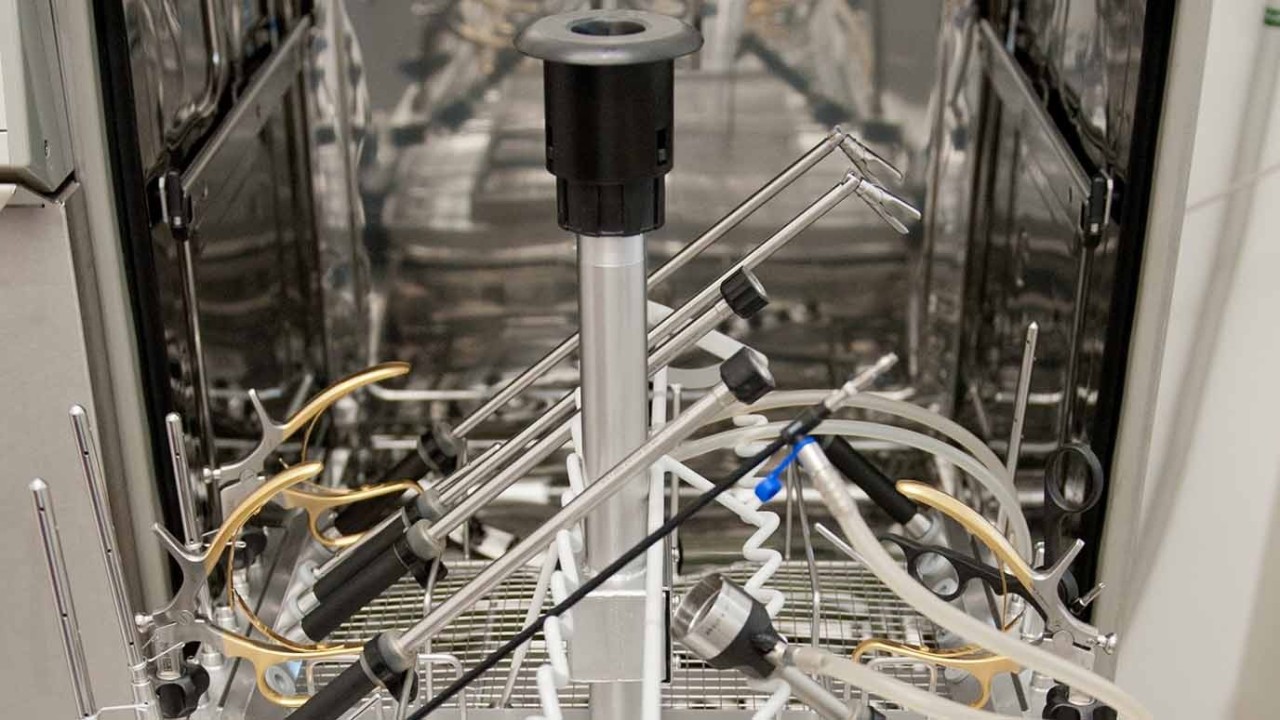
The type of packaging and the positioning of devices within the chamber can significantly influence the effectiveness of automated disinfection and sterilisation processes. In addition, reusable devices must be completely dry after disinfection and sterilisation to avoid compromising the integrity of the sterile barrier.
Finally, the device lifetime must be clearly defined, either by specifying the maximum number of reprocessing cycles or by providing an end-of-life indicator. This definition must be supported by appropriate testing data and/or scientific literature which are often challenging.