Food, Packaging, and Dairy Testing

Food, Packaging, and Dairy
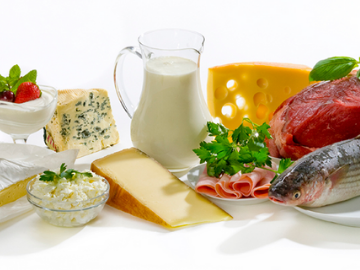
Whether it be meat, fish, vegetables, or grains, PFAS can be an uninvited guest to your next meal. PFAS is a global problem and our food supply comes to us from global sources. Why only focus on the drinking water when the food we eat can significantly contribute to our PFAS exposure?
Eurofins has experience with PFAS testing on: milk, eggs, chicken, fish, fruits, vegetables, and we are constantly expanding upon these matrices to safeguard our food. For the vast majority of Americans, it is not occupational exposure that contributes to the PFAS in our bodies, but rather the food and water we consume.
- Capacity for a handful of food samples or thousands at a time
- Dry, oily, or wet matrices are all accepted for PFAS testing
- Supply chain forensics can examine PFAS sources from Farm-to-Fork
PFAS Testing of Packaging
Where’s the PFAS? Perhaps it isn’t in your burger, but it may exist in the burger wrapper, pizza box, or even compostable plates and cutlery. These compounds can originate in the packaging that transports food. It is possible for those compounds to then migrate into the foods themselves. Sometimes PFAS are intentionally added to packaging and sometimes PFAS are inadvertently present. The only way to determine the presence of these PFAS is through rigorous testing.
- Fluorochemicals often used to create barriers against oils and grease
- Compostable materials may contain waste contaminated with PFAS
- Recycled materials can have lot-to-lot variability of PFAS
- All food packaging can be tested with Eurofins methods
Additional Services






Start your testing now
Contact us to discuss your project goals and learn how our testing solutions can support your data and regulatory needs.