Comparative sequencing
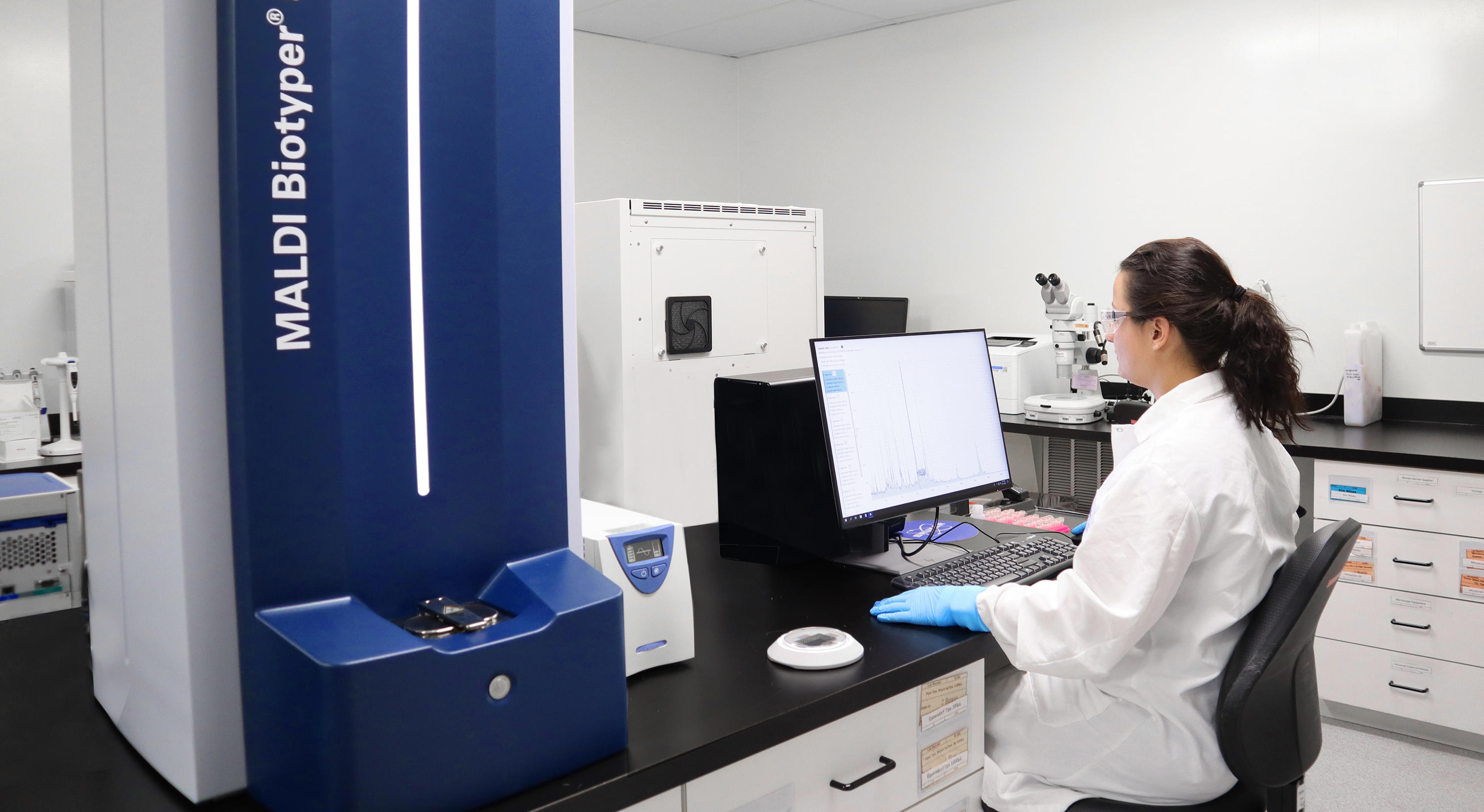
We offer comparative sequencing services for the identification and characterisation of bacterial, yeast and mould isolates at the species level.
Eurofins BioPharma Product Testing New Zealand's genetic identification technology outperforms the phenotypic approach (such as the MALDI-TOF).
With 8,470 valid bacterial type-strain entries, our Comparative Sequence Index database is one of the largest specialised comparative sequencing databases used for microbial identification.
Principle of test
Genomic DNA is extracted directly from dead or alive bacterial colonies grown under any conditions. The 16S rRNA gene is amplified using universal primers and thermalcyclers and sequenced using dye terminator cycle sequencing chemistry. The sequence reactions are analysed using automated DNA sequencers and software.
Unknown bacteria samples are identified using microbial identification software and compared against the Eurofins IDmyk Comparative Sequence Index database containing over 8,470 entries. Routine bacterial identification is performed using the long sequence (1,200-1,400 base pairs) of the rDNA. Data analysis can be done using either automated or manual modes. Outcome predictions are done using the phylogenetic tree tool. The system also has the ability to build user-defined and user-validated custom libraries.
Sample requirements
Pure isolates, preferably on an agar plate, can be submitted. Broth culture can also be submitted, which will be streaked onto the appropriate agar, checked for purity, and subsequently processed.
*The test is performed by Eurofins ams
Get in touch
Would you like to find out more about our testing solutions, or do you need tailored analytical support? Contact us today to get in touch with our experts.