WHITEPAPER Why the Central Laboratory is becoming a defining advantage in modern clinical trials
This whitepaper, published in collaboration with Fierce Biotech, examines clinical trial complexity through four interconnected lenses:
analytical diversity, specimen integrity, global logistics, and data harmonization.
Together, they define the challenge facing central laboratories today and the capabilities required to manage the complexity of clinical trials and meet client expectations.
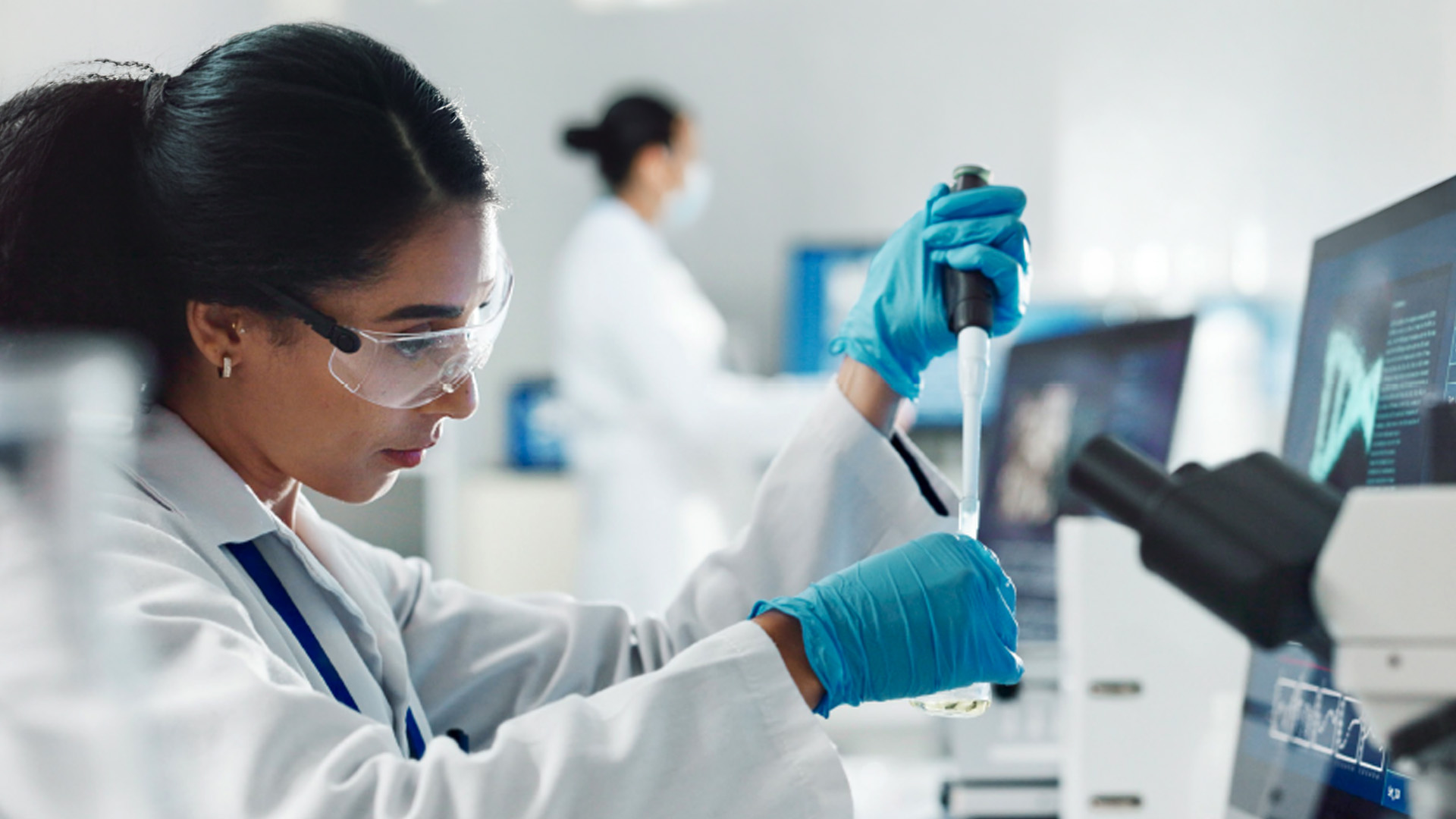
Clinical research has never stood still, but the pace and scale of change over the past decade have been striking. The number of registered clinical studies worldwide has grown from 2,119 in 2000 to more than 515,000 today – a refection of a pipeline that is broader, more ambitious and more scientifically demanding than at any previous point in the history of the industry.
The trials driving this growth look quite different from those of a generation ago. Biomarker-driven endpoints, genomic and immunological assays, adaptive and basket trial designs, and increasingly global patient populations have combined to reshape what a clinical trial involves and what is required to run one well. It is no surprise, then, that 56% of clinical trial sites now report that trials are more complex than they were just three years ago.
At the center of this shift sits the central laboratory. Once viewed primarily as a testing function, the central lab has become a critical operational and scientific partner – one whose capabilities, infrastructure and global reach have a direct bearing on trial quality, timelines and outcomes. As trial complexity grows, so does the burden placed on central labs to meet client expectations.
This whitepaper includes the following sections:
-
Introduction
-
A new era of trial complexity
-
Operational challenges in central laboratories
-
The expanding role of data in clinical trials
-
Scientific and technological evolution of central labs
-
Globalization and regulatory considerations
-
Strategic approaches for managing complexity
-
Building the future of central lab partnerships
-
About