Avian safety services
Comprehensive acute, sub-acute, and reproduction programmes, radiolabelled and non labelled.
Eurofins Agroscience Services (EAS) offers a wide range of standardised Tier 1 laboratory studies, as well as more complex higher tier studies conducted under extended laboratory, semi field, and full field conditions using standard or customised study designs.
All studies are planned and executed by our highly experienced scientific and technical teams in accordance with the latest SETAC, IOBC, OECD, ISO, and EPA guidelines and supporting guidance documents. We deliver regulatory ready, GLP compliant results that align with EU, US, LATAM, and APAC expectations—and support robust environmental risk characterisations for registration.
Comprehensive acute, sub-acute, and reproduction programmes, radiolabelled and non labelled.

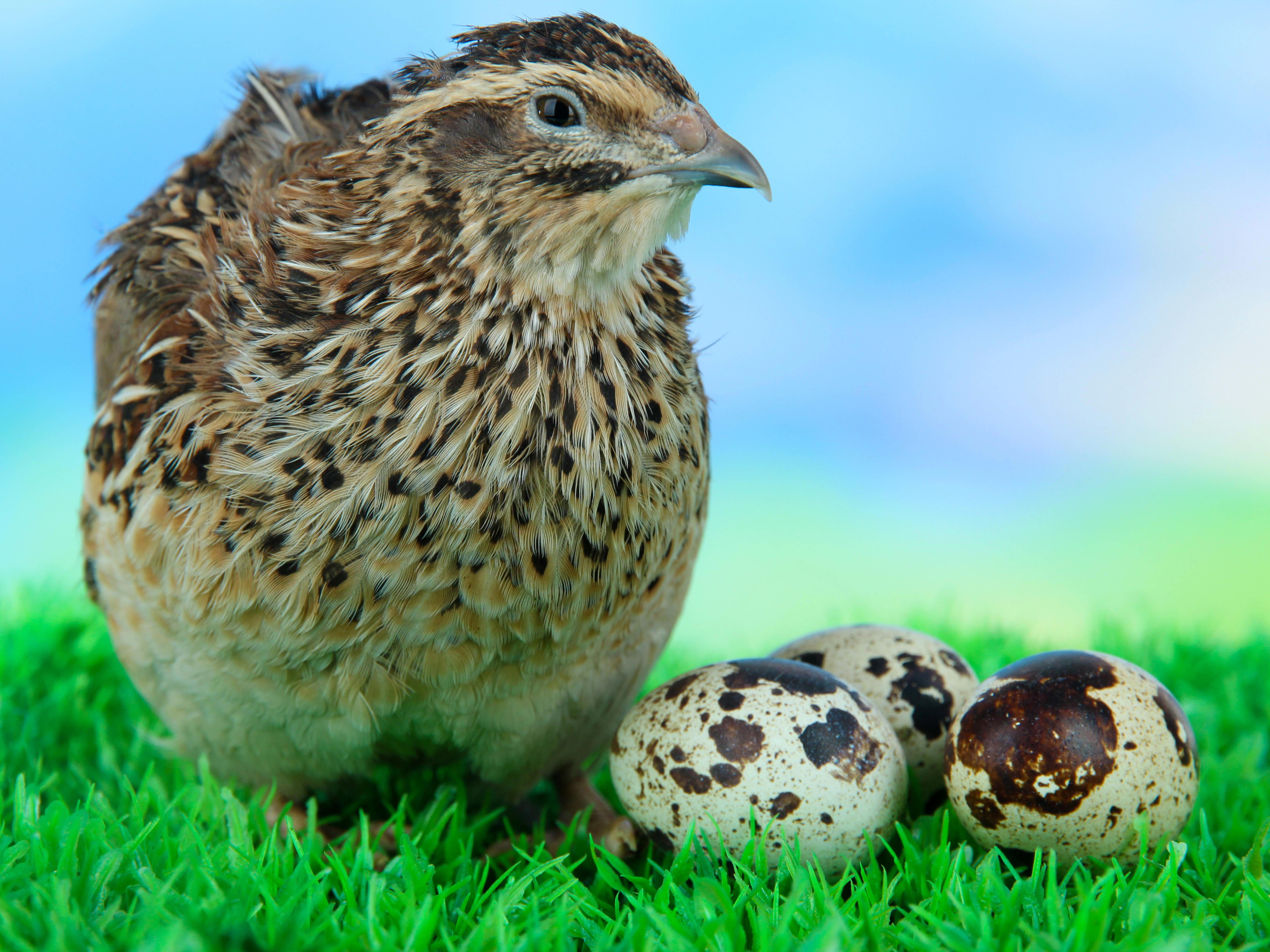
Operating since 1985, our avian safety laboratory (Easton, Maryland, USA) is recognised for its experience on a broad range of species, such as northern bobwhite, japanese quail, mallard, zebra finch, canary, as well as chickens, pheasants, house sparrows, pigeons, partridge.
Custom study designs are offered for non-traditional species or to meet client-specific needs.

We conduct a wide range of IOBC/WPRS based non target arthropods studies with leaf dwelling and soil dwelling species.
Representative species
Study tiers
Custom options

We conduct studies for the testing of veterinary pharmaceuticals with dung organisms, using organic farming cattle dung substrates.
We test dung flies (Musca autumnalis, Scatophaga stercoraria) and dung beetles (Onthophagus taurus, Aphodius constans). We participate in the DOTTs group and ring tests supporting method development.

We provide comprehensive laboratory, semi-field, and field studies with soil biota.
Our expertise encompaases standard applications and modified designs for coated seeds, pellets, granules, actives, and metabolites. Where required, application verification can be linked to in-house residue analysis.
Earthworms (Eisenia fetida/andrei):
Enchytraeids (Enchytraeus albidus/crypticus):
Soil micro arthropods:
Soil microflora:
Mycorrhizal fungi (Glomus mossae):
Field litterbag, earthworm and micro‑arthropod trials across Europe
Custom options:

We evaluate potential effects on seedling emergence and vegetative vigor, and conduct chronic higher plant tests per ISO standards.
Greenhouse conditions allow year round execution
Custom options

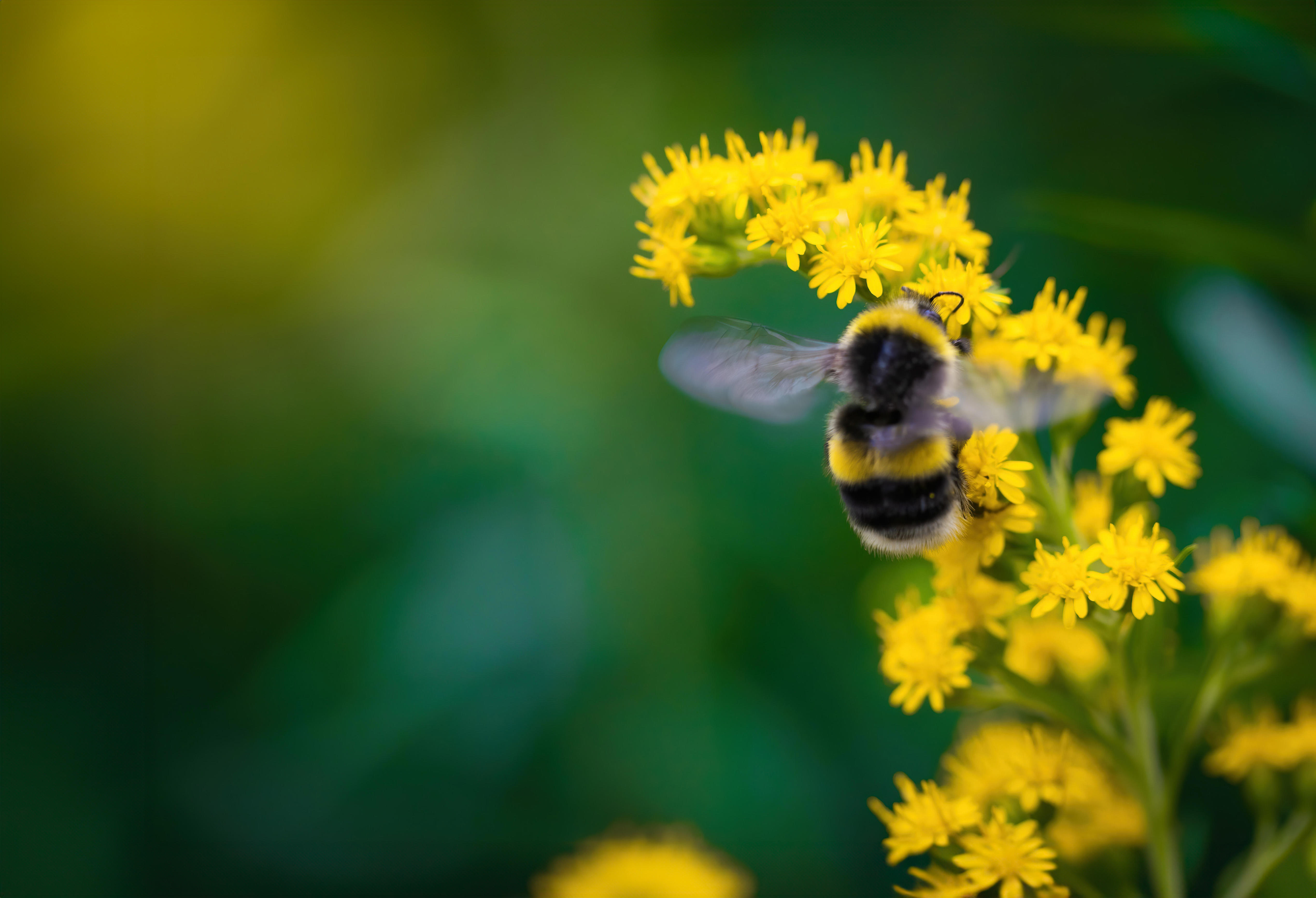
Recognised for leadership in pollinator risk assessment, we evaluate the effects of Plant Protection Products on honey bees (Apis mellifera), bumble bees (Bombus terrestris), and solitary bees (Osmia bicornis).
Our experts apply OECD laboratory guidelines and EPA/OPPTS protocols for extended studies and actively contribute to international ring-testing initiatives that have been the backbone of several OECD test methods.
Honey bee (Apis mellifera)
Bumble bee (Bombus terrestris)
Solitary bee (Osmia bicornis)
Pollinator exposure and residue

Capabilities include field monitoring and residue studies, realistic-use exposure data generation and test‑system development.

Extensive experience and knowledge in taxonomic identifications and conduct of biodiversity studies.
Our team of expert ecotoxicologists design, plan and conduct custom field studies to address your data requirements, from inventory studies of local fauna to long term higher tier monitoring studies under realistic agricultural conditions.
Based in Europe, our taxonomy team has decades of international renowned experience for specie identification on a wide range of taxa.
They have developed a high-throughput automated counting system to process the large number of local fauna and soil samples generated in each study in a standardized and time efficient manner.

Full range of scientific wildlife services across Europe, GLP compliant.
Our team of biologists have formed working relationships with public institutions, farmers, private companies, agricultural advisors and universities throughout Europe.
At every step, we support you efficiently to add value to your project: