Soil Organic Matter (SOM)
Definition
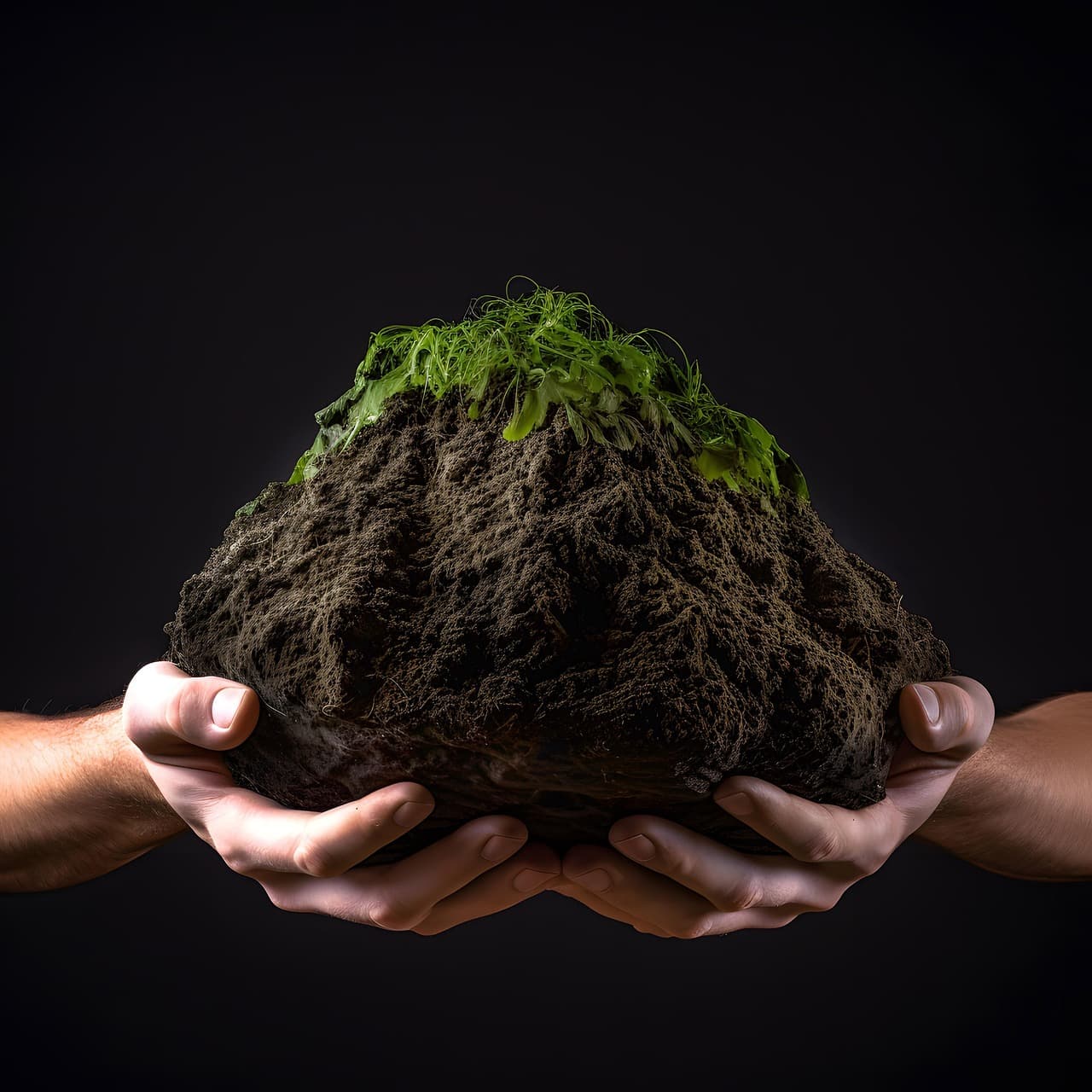
Soil Organic Matter (SOM) is the collective term for all (decomposed) biomass in the soil that originates from micro-organisms, soil and plant material. SOM consists of carbon (C), oxygen (O), hydrogen (H), nitrogen (N), phosphate (P) and sulphur (S).
Organic matter has many important functions in the soil and is therefore one of the most important indicators of soil health. Organic matter is food for soil life and an engine of all soil functionality.
Formation and decomposition
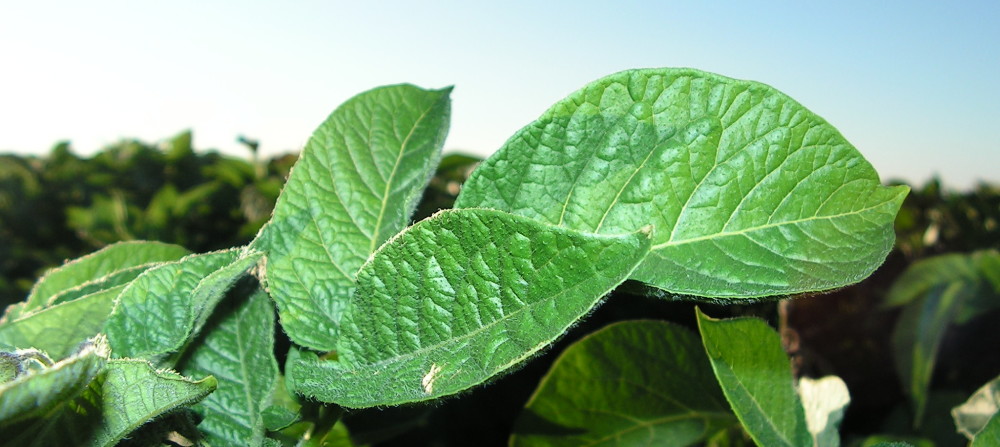
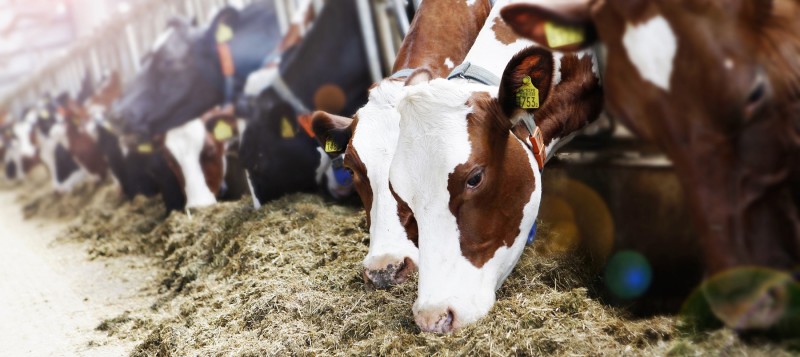
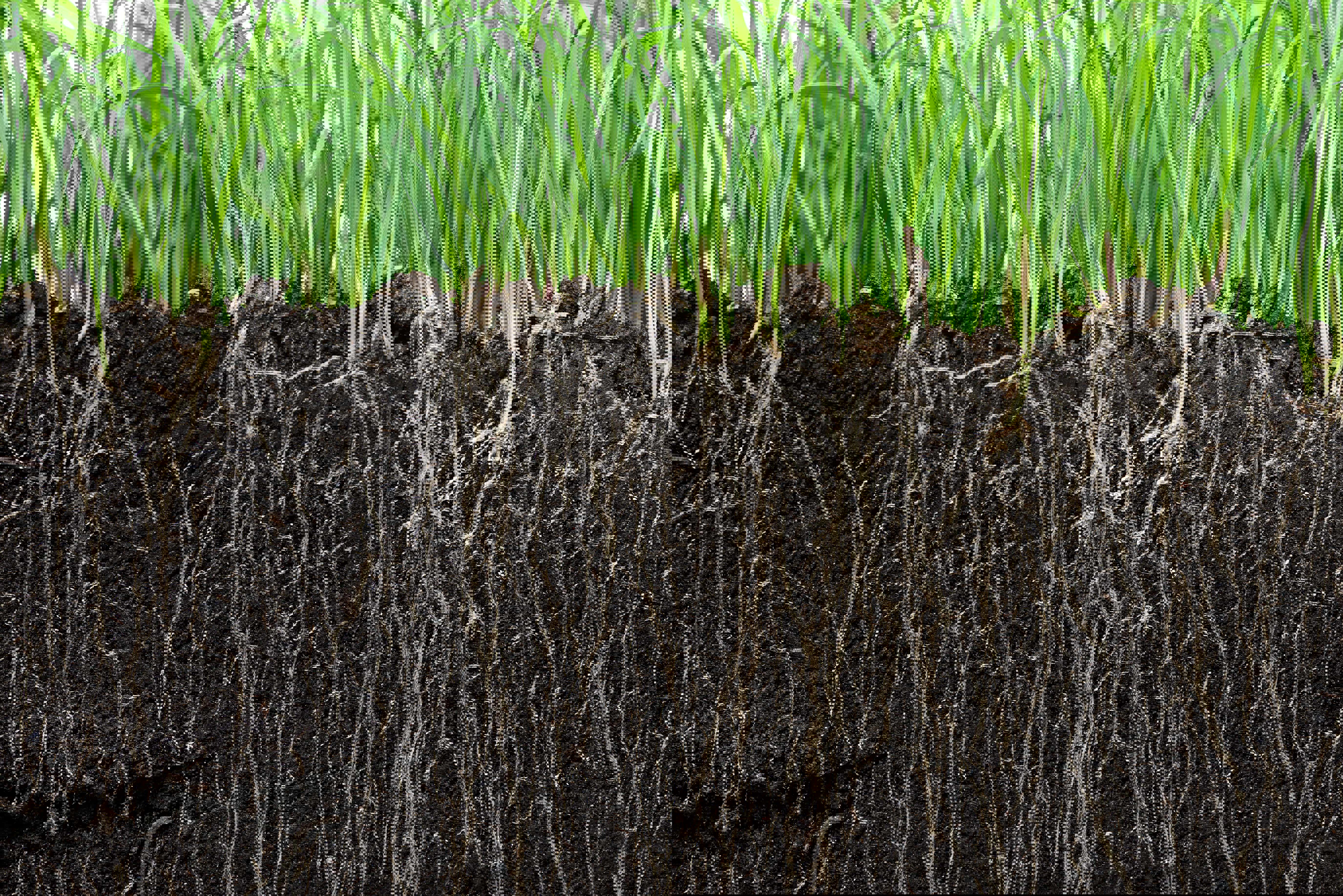
Organic matter enters the soil through means such as the supply of crop residues (leaves, stems and roots), animal manure, green manuring and compost. Bacteria, fungi and other soil organisms break it down until only indigestible residues remain.
This decomposition process occurs in several steps involving all organisms of the soil food web. Decomposition is rapid at first and then slows down. It can take decades for freshly applied material to be fully converted to stable organic matter.
Percentage of SOC in SOM
The percentage of Soil Organic Carbon (SOC) in SOM can range from 45-60%. The more SOC in the SOM, the less nitrogen and sulphur present. More SOC in SOM is an indicator of stability. The organic matter is then less easily broken down by soil life, and therefore there is also less decomposition.